



Cognitive Reserve and Resilience in Aging Brain Networks
Cognitive reserve describes the brain's capacity to sustain function despite accumulating pathology. Across the lifespan, individuals who build richer educational, occupational, and social experiences tend to tolerate neurological insults with greater composure. In Australia, where roughly one in six people is over sixty-five, understanding why some older adults remain cognitively nimble while others decline rapidly has become a pressing public health priority. Learn more about リウマチ性疾患に対する運動療法の安全性と効果.
Researchers distinguish passive reserve (brain size and synaptic density) from active compensatory mechanisms. Resilience, a closely related concept, refers to the brain's ability to maintain performance through alternative network pathways when primary routes falter. Together these ideas reshape how clinicians approach dementia care and how communities design lifelong learning programmes.
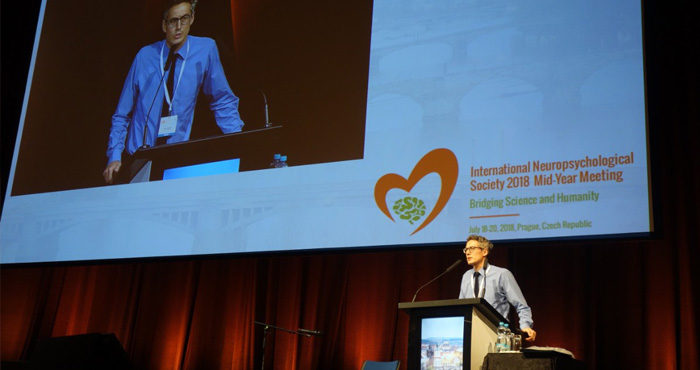
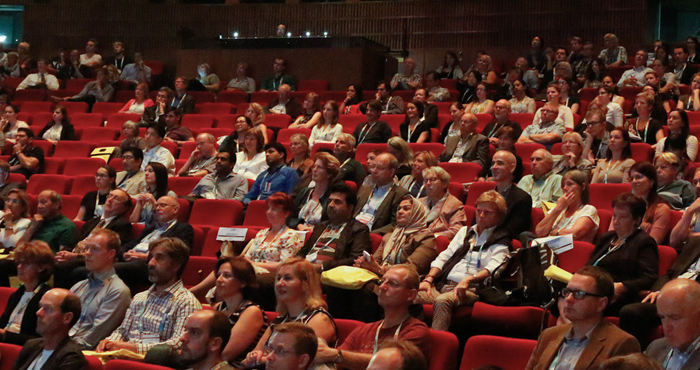
The 2018 International Neuropsychological Society mid-year meeting in Prague explored these intersections, linking neuroscience with the lived contexts of an ageing population. Contemporary models now emphasise dynamic interactions between vascular health, inflammation, and psychosocial engagement.
Foundations of reserve and neural scaffolding
Cognitive reserve behaves like accumulated software: the efficiency, flexibility, and capacity of networks built through years of challenge. A larger reserve does not prevent disease; it raises the threshold at which symptoms appear. A retired teacher in Adelaide may draw on decades of vocabulary learning, while a Brisbane tradesperson leans on procedural problem-solving; both may carry similar amyloid burden yet follow profoundly different trajectories.
Neuroimaging suggests that individuals with higher reserve recruit bilateral prefrontal regions more readily during memory tasks, a pattern often called scaffolding. Functional compensation appears even in healthy ageing. Australian groups, including the Florey Institute in Melbourne, have shown that multilingualism, late-life education, and sustained social engagement correlate with preserved executive function. These findings matter in a multicultural nation where multilingual switching may widen cognitive resources later on.
Resilient networks and alternative pathways
When primary circuits degrade, the brain falls back on alternative routes shaped by both biology and biography. The salience network, default mode network, and frontoparietal control system each play distinct roles in cognitive flexibility. Functional connectivity within these systems often predicts who will tolerate progressive atrophy without overt cognitive loss.
Studies of superagers — adults over eighty whose memory matches people thirty years younger — show preserved connectivity between the anterior cingulate and hippocampus. This signature appears from Sydney's eastern suburbs clinics to remote Aboriginal community health services in the Northern Territory, where language preservation may confer added protection. Vascular risk factors common in older Australians — hypertension, diabetes, atrial fibrillation — erode key white matter tracts well before dementia manifests clinically.
Lifestyle, culture, and the Australian context
Physical activity is the most accessible lever for building reserve. Aerobic exercise performed three to five times weekly promotes hippocampal neurogenesis and enhances cerebral blood flow. Australians embrace this through surf life saving clubs, group fitness, and the morning coastal walk from Bondi to Glenelg.
Cognitive engagement matters equally. Learning an instrument, tackling cryptic crosswords, or volunteering for community organisations provides the moderate challenge that strengthens networks. The Australian Institute of Health and Welfare has highlighted that socially isolated older adults face roughly twice the likelihood of cognitive decline, reinforcing the protective value of mateship and shared meals at the local RSL.
Nutrition contributes quietly. The Mediterranean-style diet, adapted locally with olive oil, fish, legumes, and reduced red meat, correlates with reduced amyloid burden. Bush tucker traditions from Aboriginal communities add another layer, incorporating native seeds, kangaroo, and seafood rich in omega-3 fatty acids.
Clinical perspectives in neuropsychological care
Neuropsychologists sit at the interface between neuroscience and lived experience, translating imaging into practical guidance. Comprehensive assessment now blends cognitive screening with functional interviews, mood inventories, and culturally sensitive enquiry about daily routines. The evolving neuropsychologist role in palliative care deserves particular attention as cognitive decline intersects with end-of-life decisions.
In rural and regional Australia, telehealth neuropsychology has matured considerably, allowing older patients in places like Broken Hill or Katherine to access specialist review without arduous travel. Medicare rebates for psychology sessions provide some support, while the National Dementia Helpline offers a consistent point of contact. Resilience is shaped by relational factors as much as individual traits: family structures, neighbourhood walkability, and access to community aged-care packages all influence how reserve translates into daily functioning.
Emerging research and collaborative horizons
The frontier of reserve research blends neuroimaging, genetics, and machine learning to identify early biomarkers of decline. Polygenic risk scores for Alzheimer's disease, combined with lifestyle indices, may soon stratify prevention programmes. Japanese cohorts have shown that structured exercise therapy for rheumatic conditions produces measurable gains in processing speed and executive function, a finding relevant to older Australians with comorbid musculoskeletal issues.
Cross-disciplinary collaboration will shape how these findings reach clinical practice. Partnerships between universities, the Dementia Australia Research Foundation, and primary health networks are already translating evidence into community programmes in Hobart, Canberra, and regional Victoria. Each clinical encounter offers a chance to reinforce the lifestyle pillars that sustain resilient networks.
Practical pathways for clinicians and families
- Encourage sustained aerobic activity such as brisk walking, swimming, or supervised cycling three to five times weekly, adapted to cardiac and joint limits.
- Promote cognitively demanding pursuits: music tuition, strategic games, language classes, or community volunteering.
- Screen routinely for vascular risk factors including blood pressure, lipids, glucose, and atrial fibrillation, treating each proactively.
- Address hearing loss early, since untreated auditory impairment accelerates cognitive load and social withdrawal.
- Support sleep hygiene through consistent routines, morning light exposure, and management of sleep apnoea.
- Foster social connection through local groups, Men's Sheds, women's organisations, and intergenerational programmes.
- Review medications periodically to minimise anticholinergic burden and polypharmacy, both common in older Australian adults.
General Information
Important information about the meetingIndustry
Support and exhibition opportunitiesCzech Republic
Beautiful country situated in the very heart of EuropeContact
How can we help you?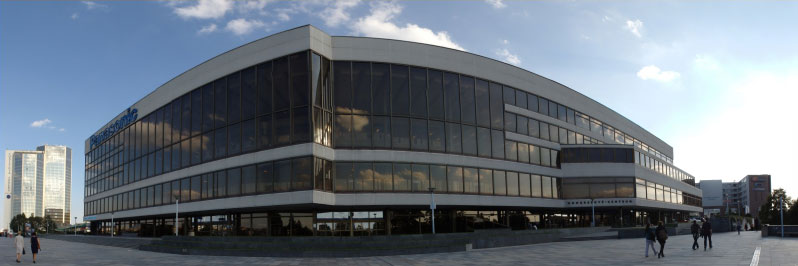
Prague Congress Centre (KCP)
5.května 65140 21 Prague 4
Czech Republic
Phone: +420 261 171 111
Website: www.kcp.cz