



Using Eye Tracking to Assess Social Attention in Autism
Eye tracking offers a non-invasive way to examine how people with autism spectrum disorder allocate visual attention during social interactions. Instead of relying only on verbal answers or observer ratings, researchers can measure gaze location, fixation duration, pupil responses and shifts between faces, bodies, objects and background information. Learn more about リウマチ患者の間質性肺疾患に伴う肺高血圧症のスクリーニングと治療.
This approach has helped refine the understanding of social attention in autism. Some autistic people may look less often at eyes, while others may attend closely to mouths, gestures, hands or contextual details. These patterns vary with age, language ability, sensory preferences, anxiety and the demands of the task.
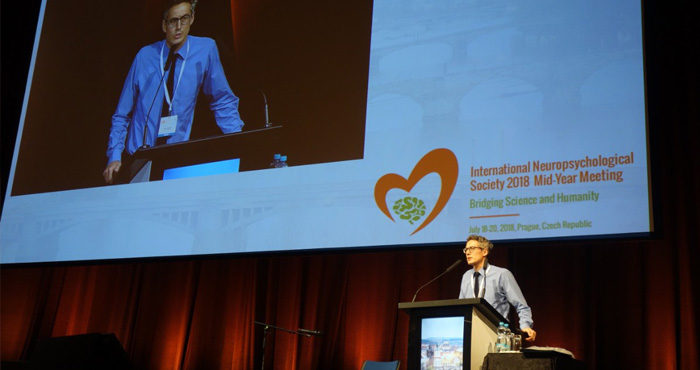
The subject was especially relevant to the scientific and clinical exchange encouraged by the INS 2018 meeting in Prague. Its emphasis on connecting neuroscience with humane patient care provides a useful framework: gaze data should support understanding and communication rather than become a simplistic test of social competence.
For Australian clinicians, educators and researchers, the method also needs to fit local practice. A laboratory result may have limited value unless it can inform assessment, therapy, school participation and family-centred support across cities such as Melbourne, Sydney, Brisbane and Perth.
| Approach | What it measures | Practical value | Main caution |
|---|---|---|---|
| Webcam-based tracking | Approximate gaze position during digital tasks | Affordable remote or school research | Lower precision and variable lighting |
| Screen-based tracking | Fixations, saccades and dwell time | Strong control for experimental studies | Often less natural than real interaction |
| Mobile or wearable tracking | Visual attention during play or conversation | Ecological information in everyday settings | Equipment can affect comfort and behaviour |
| Gaze-contingent tasks | Responses linked to where a person looks | Tests attention learning and flexibility | Interpretation depends heavily on task design |
What eye tracking can reveal
Eye tracking records the timing and direction of visual attention. Common measures include time to first fixation, total dwell time, fixation count, saccade length and transitions between areas of interest. In a social scene, these areas might include the eyes, mouth, hands, objects or background.
Researchers can compare gaze patterns across spoken conversation, static photographs, videos and interactive tasks. Dynamic scenes may better represent daily social attention, while carefully controlled images make it easier to isolate specific mechanisms.
Social attention is not a single behaviour
Reduced eye contact does not automatically indicate reduced interest in people. Bright lights, unpredictable movement, social anxiety or the cognitive effort involved in interpreting facial expressions may influence gaze. Some participants may look away to concentrate while still listening closely.
A strong study therefore combines gaze data with communication measures, sensory profiles, interviews and behavioural observations. The aim is to identify individual attention strategies, rather than rank autistic people against a narrow idea of typical social behaviour.
Designing studies for autistic participants
Comfort and predictability are central to valid measurement. Researchers should explain the equipment, allow breaks, reduce unnecessary noise and account for glasses, contact lenses and head movement. A short practice period can show whether the participant understands the task without turning familiarisation into a test of compliance.
Consent and assent must remain active throughout the session. Participants should be able to pause or withdraw, and researchers should avoid presenting eye contact as a treatment goal unless it is clearly chosen and beneficial for that person.
From laboratory findings to clinical practice
Eye tracking may help identify attention patterns that are difficult to observe during a standard appointment. It could contribute to research on social communication, early developmental differences, intervention outcomes and co-occurring conditions, although it is not a stand-alone diagnostic tool.
Clinical interpretation should include physical health, sleep, medication, vision and emotional state. Multidisciplinary teams can benefit from a broader understanding of screening and treatment pathways, including broader clinical screening when complex health needs affect participation or behaviour.
Australian research and service settings
Australian projects must reflect the country’s geography and service mix. A protocol developed in a major Sydney or Melbourne laboratory may need adaptation for regional and remote participants, where travel, internet access and specialist availability can shape recruitment and follow-up.
The National Disability Insurance Scheme has also changed how families and providers discuss functional outcomes. Eye tracking is most useful when its findings can be translated into practical goals, such as supporting classroom participation, navigating busy shopping centres or improving communication during everyday routines.
Cultural and ethical considerations
Social attention differs across cultures and communities. Australian researchers should consider Aboriginal and Torres Strait Islander perspectives, community consultation and the risks of applying imported assumptions about eye contact or interpersonal distance. The Privacy Act 1988 and relevant health-record requirements are important when gaze recordings, video and developmental data are stored.
Data security deserves specific attention because eye movements can be linked with identifiable video and clinical information. Clear explanations of storage, access, deletion and secondary research use help families make informed decisions.
Building humane neuropsychological evidence
The most valuable studies connect precise measurement with lived experience. Eye tracking can show where attention goes, but interviews, observation and collaboration explain why that pattern may occur and whether it matters to the person.
The INS 2018 setting also highlights the importance of professional collaboration. Information about programme development, scholarly roles and event governance can be found through the conference committee, reflecting the wider network needed to connect neuroscience, neuropsychology and compassionate care.
Used carefully, gaze measurement can broaden the evidence base for autism without reducing social ability to a single visual metric. Its contribution lies in revealing diverse attention styles and helping professionals design environments that support communication, autonomy and participation.
General Information
Important information about the meetingIndustry
Support and exhibition opportunitiesCzech Republic
Beautiful country situated in the very heart of EuropeContact
How can we help you?
Prague Congress Centre (KCP)
5.května 65140 21 Prague 4
Czech Republic
Phone: +420 261 171 111
Website: www.kcp.cz