



Post-Stroke Depression: Neuropsychological Markers and Treatment
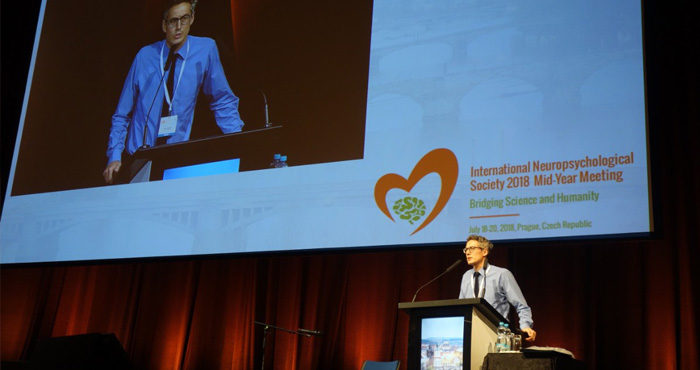
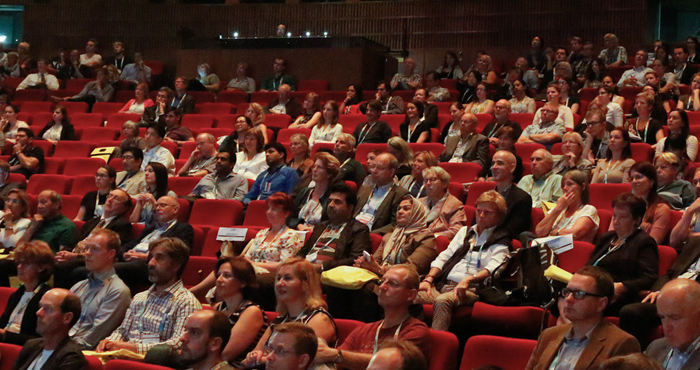
The International Neuropsychological Society's 2018 mid-year meeting in Prague brought together clinicians and researchers to address one of the most disabling yet under-recognised sequelae of cerebrovascular events: post-stroke depression. Affecting roughly one in three survivors within the first year, this condition intertwines mood disturbance with cognitive impairment, complicating rehabilitation and diminishing quality of life. Discussions ranged from biological substrates to culturally sensitive care, reflecting the meeting's commitment to bridging neuroscience with humane patient outcomes. Delegates gathered at the Hotel Embassy to exchange ideas that continue to shape clinical practice.
In Australia, where stroke remains a leading cause of long-term adult disability, the implications of this research carry particular weight. The Australian Bureau of Statistics reports that thousands of Australians experience a new stroke each year, and a substantial proportion subsequently develop depressive syndromes that hinder their return to work, family roles and community participation. Local services have responded with integrated care pathways, but gaps in recognition persist, especially in rural and remote communities.
Defining the Condition and Its Course
Post-stroke depression refers to a major depressive episode emerging after a cerebrovascular accident, typically within three to six months, though late-onset cases are well documented. Diagnostic criteria align with standard definitions of major depressive disorder, but the presentation often overlaps with neurological symptoms such as aphasia, abulia and fatigue, making differential diagnosis challenging. Emotional lability and pseudobulbar affect can further cloud the clinical picture, requiring careful phenomenological assessment.
The trajectory of PSD is heterogeneous. Some patients experience a single episode that resolves with treatment, while others follow a chronic or relapsing course. Lesion location, particularly involvement of the left frontal cortex and basal ganglia, has been associated with higher risk, though the relationship is complex and modulated by psychosocial factors. In Australian cohorts, studies from Melbourne and Sydney have highlighted the role of social isolation in urban settings and limited access to specialised mental health care in regional areas.
Key risk factors that should heighten clinical vigilance include:
- History of mood disorder or anxiety prior to the stroke.
- Severe physical disability or functional dependence in daily activities.
- Cognitive impairment, particularly executive dysfunction.
- Limited social support or living alone following hospital discharge.
Neuropsychological Markers and Cognitive Profiles
Cognitive impairment frequently accompanies PSD, with deficits most pronounced in executive function, processing speed and working memory. Patients often struggle with planning, initiation and cognitive flexibility, which compromises their ability to engage in rehabilitation therapies. Apathy, distinct from depression but commonly comorbid, further reduces participation in activities essential for recovery.
Neuroimaging studies have implicated disruption of frontostriatal circuits and serotonergic pathways. White matter hyperintensities and reduced hippocampal volume correlate with depressive severity, suggesting shared neurobiological vulnerability. From a neuropsychological perspective, poor performance on trail-making tasks, verbal fluency and learning-and-memory batteries can serve as proxies for this neural burden. Australian researchers have contributed to this literature through longitudinal studies conducted at the Florey Institute of Neuroscience and Mental Health in Melbourne.
Screening and Diagnostic Approaches
Routine screening is recommended at multiple time points: in the acute phase, during inpatient rehabilitation and at community follow-up. Several validated instruments are available, each with strengths and limitations. The table below summarises commonly used tools in Australian practice.
| Tool | Administration Time | Strengths | Limitations |
|---|---|---|---|
| PHQ-9 | 5 minutes | Brief, free, maps to DSM criteria, available in multiple languages | Somatic items may inflate scores in physical illness |
| HADS | 10 minutes | Excludes somatic symptoms, useful for medically ill | Less specific for severe depression |
| MADRS | 15–20 minutes | Sensitive to change, good for treatment monitoring | Requires trained interviewer |
| CES-D | 10 minutes | Strong psychometric properties, suitable for epidemiological use | Higher false-positive rate in elderly populations |
In primary care settings across Perth, Brisbane and Hobart, the PHQ-9 has gained popularity due to its brevity and alignment with Medicare-funded mental health care plans. However, clinicians are cautioned against over-reliance on self-report in patients with communication deficits.
Pharmacological and Psychological Interventions
Selective serotonin reuptake inhibitors remain first-line pharmacological treatment, with sertraline and citalopram commonly prescribed and subsidised through the Pharmaceutical Benefits Scheme. Tricyclic antidepressants are generally avoided due to anticholinergic side effects and cardiotoxicity. For patients with aphasia or cognitive impairment, simplified dosing and caregiver support improve adherence.
Psychological therapies, particularly cognitive-behavioural therapy and problem-solving therapy, have demonstrated efficacy when adapted for post-stroke cognitive profiles. Modified protocols accommodate communication difficulties and fatigue. Mindfulness-based interventions are also gaining traction in Australian rehabilitation centres. Integrated care models that combine medication, therapy and family education yield the best outcomes, and ongoing research published in venues such as the Journal of Cognitive Rehabilitation continues to refine these approaches.
Service Delivery and Australian Realities
Australia's universal healthcare system, Medicare, provides subsidised access to general practitioners, psychologists and psychiatrists through mental health care plans. The National Disability Insurance Scheme supports younger stroke survivors with psychosocial disability, while the aged care system addresses the needs of older adults. Despite these frameworks, disparities remain.
Considerations for clinicians working in Australia include:
- High rates of stroke among Indigenous Australians, requiring culturally safe care and interpreter services where appropriate.
- The vast distances in rural and remote areas, where telepsychiatry and digital health platforms are essential.
- The role of the Stroke Foundation in providing consumer resources and advocating for system improvement.
- Limited access to neuropsychologists in some regions, necessitating task-sharing with trained allied health professionals.
Early identification, comprehensive assessment and tailored intervention remain the cornerstones of management. By integrating neuropsychological insights with accessible, person-centred care, Australian clinicians can mitigate the burden of post-stroke depression and support recovery trajectories for survivors and their families.
General Information
Important information about the meetingIndustry
Support and exhibition opportunitiesCzech Republic
Beautiful country situated in the very heart of EuropeContact
How can we help you?
Prague Congress Centre (KCP)
5.května 65140 21 Prague 4
Czech Republic
Phone: +420 261 171 111
Website: www.kcp.cz