


Language and Communication Disorders Following Traumatic Brain Injury
Every year, thousands of Australians acquire a traumatic brain injury through road crashes, falls, sport, and assaults. The Australian Institute of Health and Welfare regularly reports tens of thousands of TBI hospitalisations, and many survivors live with long-term cognitive and communication changes that families often describe as the most distressing part of recovery. Learn more about 筋力トレーニングによる腱のリモデリングとその効果.
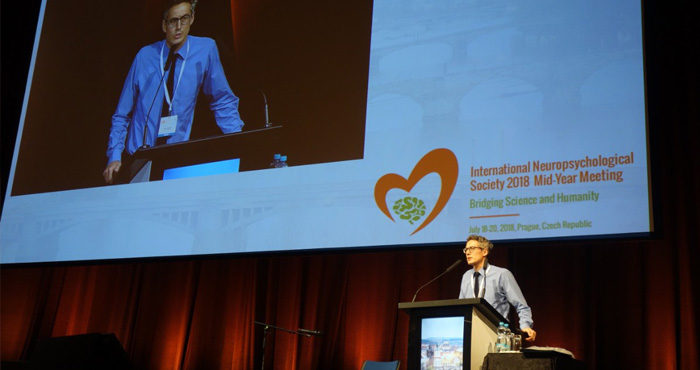
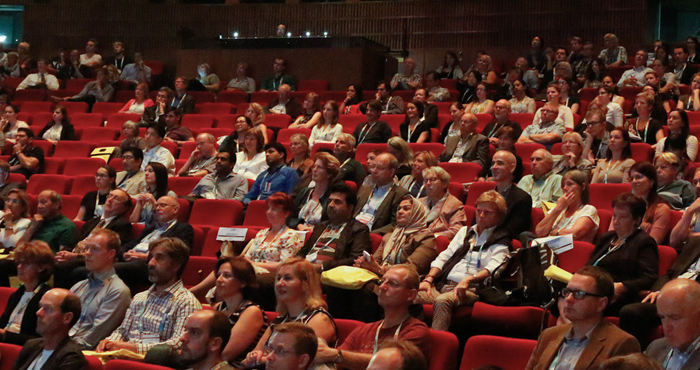
Clinicians and researchers gathered in Prague for the INS mid-year meeting to debate how best to translate evidence on cognitive recovery into humane, culturally aware care. The discussions highlighted that language is rarely a single skill; it is woven through attention, memory, social awareness, and mood, all of which can shift after a head injury.
Communication breakdown after TBI is not just about finding the right word. It includes reading body language, keeping up with a quick arvo chat at the footy, following a manager's instructions at a Melbourne warehouse, or remembering to pass on a message to the kids' school. When any link in that chain falters, work, friendships, and identity can quietly unravel.
This article walks through the clinical picture, the Australian service landscape, and the rehabilitation strategies that speech pathologists, neuropsychologists, and families are using right now across the country.
Aphasia and Other Linguistic Changes After TBI
A blow to the left hemisphere can produce aphasia, in which word retrieval, sentence construction, or comprehension break down. The profile is different from the fluent aphasia most often associated with stroke. After TBI, language problems are usually mixed with slowed thinking, poor attention, and memory lapses, so the person may know what they want to say but lose the thread halfway through.
Word-finding pauses, paraphasic errors, and reduced sentence complexity are common. Reading and writing are often affected too, which complicates return to paperwork-heavy jobs common in insurance, healthcare administration, and teaching across Sydney, Brisbane, and Perth offices.
Pragmatic and Social Communication Difficulties
Many people with TBI speak in grammatically correct sentences but struggle with the social side of language. They may miss sarcasm, dominate the conversation, stand too close, or fail to read a mate's tired expression after a long shift. Speech pathologists in Australia sometimes call these "cognitive-communication disorders" to capture the blend of language, cognition, and behaviour involved.
These pragmatic difficulties often show up in workplaces first. A supervisor at a Pilbara mine site, for example, may notice that an employee who returned after a motorcycle accident now misreads safety briefings or jokes inappropriately with new staff, even though their speech sounds clear.
The Australian Service Landscape
Funding shapes who gets help and how quickly. People injured in motor vehicle accidents in Victoria usually access speech therapy through the Transport Accident Commission, while those in NSW may be covered by icare lifetime care. Elsewhere, the National Disability Insurance Scheme funds ongoing therapy for participants with permanent impairment, and private health insurers cover a portion of sessions with a "speechie," as many Australians affectionately call the profession.
Major trauma centres such as Royal Melbourne, Royal Adelaide, and Royal Perth provide acute inpatient rehabilitation, while community providers in regional towns offer telehealth follow-up. Waiting lists remain long in the bush, prompting many families to use teletherapy platforms that have matured since the pandemic.
Cultural and Linguistic Diversity
Australia is one of the most multilingual societies in the world, and clinicians must interpret standardised test scores with care. A patient who speaks Vietnamese at home, Mandarin with colleagues, and English with their children's school may perform unevenly across languages after a TBI, and that pattern can be mistaken for dementia or malingering if the clinician is not trained in bilingual assessment.
Aboriginal and Torres Strait Islander patients face additional layers, including historical mistrust of hospitals, communication styles that value shared silence and storytelling, and service gaps in remote communities. Speech Pathology Australia has published cultural responsiveness guidelines that emphasise working alongside Aboriginal health workers rather than parachuting in from a capital city clinic.
Assessment in Practice
A thorough communication assessment after TBI combines standardised tools with functional observation. The Boston Diagnostic Aphasia Examination, the Mount Wilga High Level Language Assessment, and the Sydney Language Battery are commonly used in Australian clinics, but pen-and-paper scores tell only part of the story.
Observing the person ordering a coffee in Adelaide's Rundle Mall, taking a phone message, or joining a Zoom call gives the speech pathologist real data about attention, word finding under pressure, and social reciprocity. Family interview adds another layer, because partners and parents often notice changes the patient cannot see.
Therapy Approaches and Family Involvement
Therapy tends to be intensive, individualised, and embedded in meaningful routines. Constraint-induced language therapy, script training for job interviews, and group programs that rehearse real conversations are popular in outpatient clinics. Insights from strength and adaptation research in neighbouring rehabilitation fields offer a useful parallel: just as tendons remodel under graded load, neural networks for language strengthen with consistent, challenging practice.
Family education is not optional. Partners learn to slow their pace, ask one question at a time, and avoid finishing sentences. School-aged children benefit from visual schedules and simplified explanations of why mum or dad needs extra time to respond.
Evidence on the Horizon
Researchers are exploring transcranial direct current stimulation, intensive home-based programs, and biomarkers that may one day predict who will recover spoken language and who will need augmentative communication. A recent overview of autoimmune encephalitis reminds clinicians that the brain's response to injury is rarely tidy, and that careful differential diagnosis remains essential.
Telethon Kids Institute in Perth and the Turner Institute at Monash University continue to publish Australian data on paediatric and adult TBI outcomes, giving local clinicians a stronger evidence base to argue for funded therapy.
Practical Steps for Clinicians and Families
- Refer early to a speech pathologist with TBI experience, even if language sounds intact on casual conversation.
- Combine standardised assessment with observation in real settings such as the local cafe, workplace, or school pickup.
- Use NDIS, TAC, or icare pathways strategically, and keep detailed therapy notes to support plan reviews.
- Train families in supportive communication techniques, including slowed pace, single questions, and visual cues.
- Screen for mood and fatigue, which often magnify communication difficulties.
- Build cultural responsiveness into every goal, drawing on community interpreters and Aboriginal health workers when relevant.
General Information
Important information about the meetingIndustry
Support and exhibition opportunitiesCzech Republic
Beautiful country situated in the very heart of EuropeContact
How can we help you?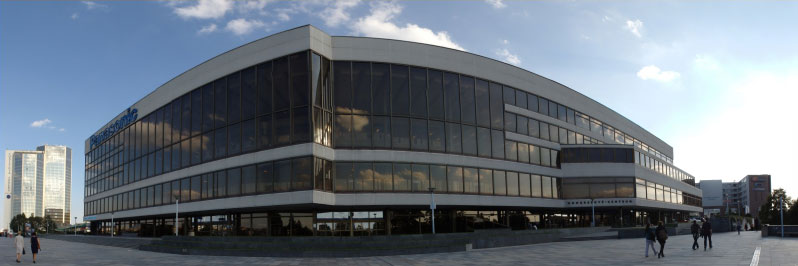
Prague Congress Centre (KCP)
5.května 65140 21 Prague 4
Czech Republic
Phone: +420 261 171 111
Website: www.kcp.cz