



How the frontal lobe shapes social cognition and empathy
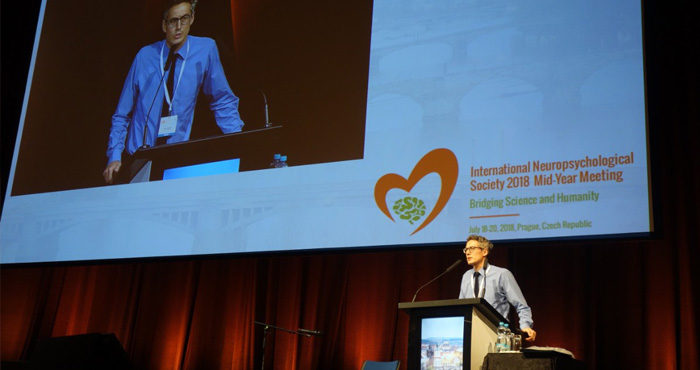
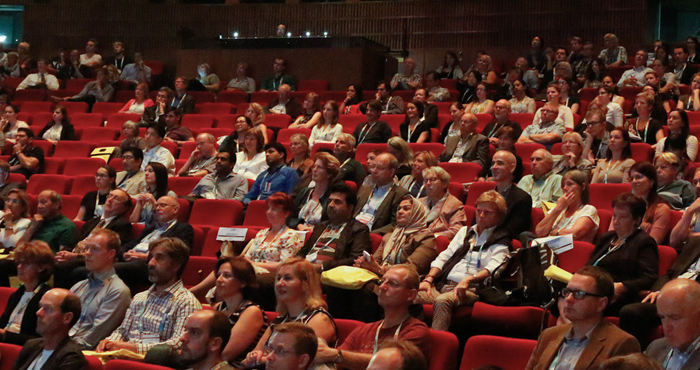
The frontal lobe stands as one of the most complex regions of the human brain, orchestrating everything from impulse control to emotional nuance. Researchers gathering at the INS 2018 mid-year meeting in Prague explored how specific prefrontal circuits underpin our capacity to understand others and respond with empathy, bridging laboratory neuroscience with bedside care.
Beyond raw intelligence or memory, social cognition relies on a network of frontal regions that interpret facial expressions, tone of voice, and shifting social context. This article traces how the frontal lobe contributes to empathy and what clinicians across Australia are learning from recent neuroscience, with practical implications for rehabilitation and dementia care.
From stroke rehabilitation units in Sydney to memory clinics in Melbourne, Australian practitioners are applying these insights to support patients with frontotemporal dementia, traumatic brain injury, and autism spectrum conditions. The findings discussed at the international gathering continue to shape clinical practice, policy frameworks, and continuing education programs throughout the country.
The prefrontal cortex as social conductor
The prefrontal cortex functions as the brain's social command centre, integrating sensory information with past experience to guide appropriate behaviour. Damage to this region, whether from a motor vehicle accident on a Melbourne freeway or a sporting concussion in Brisbane, often produces striking changes in personality and social judgement that families find deeply distressing.
Three subregions deserve particular attention. The dorsolateral prefrontal cortex supports working memory and inhibitory control, allowing us to pause before responding. The orbitofrontal cortex evaluates rewards and social consequences, while the ventromedial prefrontal cortex links emotional valence with decision-making in complex social situations.
Together these areas form a dynamic system that reads social cues and generates contextually appropriate responses. When the system falters, patients may display flat affect, impulsivity, or poor insight into how their behaviour affects those around them.
Empathy circuits and emotional resonance
Empathy is not a single skill but a layered process involving affective sharing, perspective-taking, and self-regulation. The frontal lobe, particularly its medial and inferior regions, modulates how strongly we mirror the emotions of those around us and how we regulate our own reactions.
Neuroimaging studies show that observing another person's distress activates anterior cingulate and insular circuits, while the ventromedial prefrontal cortex helps us distinguish our own feelings from theirs. Researchers at the University of Queensland and Macquarie University are mapping how these networks mature across the lifespan and how they shift in clinical populations.
Disruption of these circuits can produce alexithymia, a condition where patients struggle to identify or describe emotions. Frontotemporal dementia, which often begins in the frontal lobes, can strip away empathy long before memory fails, leaving families bewildered by a loved one's sudden coldness.
Clinical realities from brain injury to dementia
Across Australia, neuropsychologists in Adelaide, Perth, and regional centres assess patients whose frontal injuries have transformed their social and vocational functioning. Road trauma, falls, and workplace injuries contribute substantially to frontal lobe damage, and the National Disability Insurance Scheme funds rehabilitation for thousands of survivors each year.
Assessment typically includes the Frontal Systems Behaviour Scale, the Faux Pas test, and emotion recognition tasks. These tools help clinicians pinpoint whether a patient's difficulties stem from impaired theory of mind, poor emotional regulation, or reduced behavioural flexibility. Findings guide return-to-work plans, school reintegration, and family education. For clinicians seeking ongoing resources, the INS 2018 conference website hosts proceedings from the Prague meeting.
Frontotemporal dementia presents a different challenge, with onset often before retirement age. Specialist memory clinics in Sydney's eastern suburbs and inner Melbourne have developed multidisciplinary programs combining speech pathology, occupational therapy, and neuropsychology to support families navigating profound behavioural change.
Cultural context and the Australian clinical landscape
Empathy and social cognition are not expressed identically across cultures, and Australia's multicultural population brings this reality into sharp focus. Clinicians working in communities from Melbourne's Vietnamese precincts to western Sydney's Lebanese heartland must consider how cultural norms shape eye contact, emotional expression, and family decision-making.
The Australian Health Practitioner Regulation Agency requires culturally responsive practice as a core competency. This aligns with research suggesting that frontal lobe function interacts with cultural learning, meaning standardised tools must be adapted thoughtfully for diverse populations.
Privacy legislation under the Privacy Act 1988 governs how patient assessment data is stored and shared, particularly important when families are involved in care planning. These regulatory frameworks shape how Australian clinicians balance thorough assessment with respect for individual autonomy and family privacy.
Practical recommendations for clinicians and caregivers
- Screen routinely for social cognition changes after frontal lobe injury, even when memory appears intact
- Use culturally adapted assessment tools and consider professional interpreter support when working with non-English-speaking families
- Educate families about frontotemporal dementia early, as behavioural changes often precede measurable memory loss
- Incorporate perspective-taking exercises into rehabilitation, such as structured role-play and video feedback
- Collaborate with occupational therapy colleagues to address return-to-work challenges linked to impaired social judgement
- Document emotional regulation difficulties carefully, as these directly affect safety, driving, and independent living
- Stay current with international neuropsychology research through professional bodies and conference proceedings
General Information
Important information about the meetingIndustry
Support and exhibition opportunitiesCzech Republic
Beautiful country situated in the very heart of EuropeContact
How can we help you?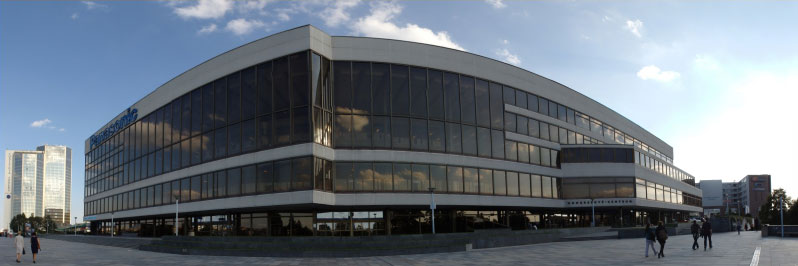
Prague Congress Centre (KCP)
5.května 65140 21 Prague 4
Czech Republic
Phone: +420 261 171 111
Website: www.kcp.cz