




Cognitive Outcomes from Yoga and Mindfulness Interventions
Mind-body practices have moved from the margins of wellness culture into the centre of clinical research over the past two decades. Neuropsychologists now routinely evaluate programmes that combine physical postures, breath regulation and attentional training, looking for measurable changes in memory, executive function and processing speed. The interest is not simply academic; patients ask clinicians whether yoga classes or mindfulness apps will help their concentration, sleep or mood.
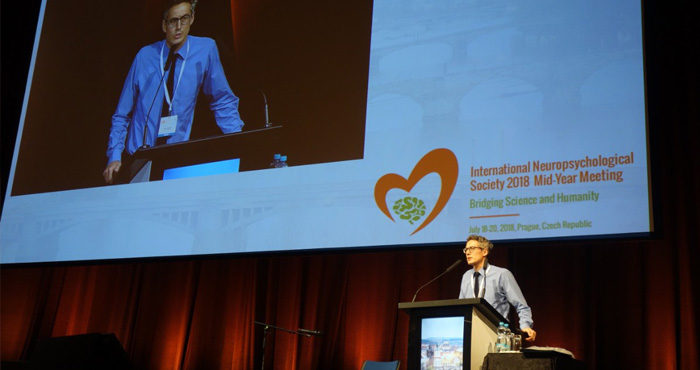
The International Neuropsychological Society mid-year meeting in Prague reflected this shift in its programme, with workshops devoted to bridging laboratory findings and humane care. Practitioners from diverse settings shared protocols for measuring outcomes beyond self-report, using tablet-based cognitive batteries and ecological momentary assessment. The conversation carried forward a long tradition of linking behavioural science with subjective experience.
In Australia, the conversation carries a particular texture. Long winters in Hobart, scorching summers in Darwin, and the daily pressures of commuting in Sydney or Melbourne shape how people engage with these practices. Local clinicians must weigh international evidence against the realities of a system governed by AHPRA, the National Disability Insurance Scheme and a privacy framework that constrains data sharing.
Mechanisms Linking Practice to Brain Function
Neuroimaging studies suggest that regular yoga and mindfulness practice modify both structure and function in regions tied to self-regulation. Increased grey matter density in the prefrontal cortex, altered connectivity within the default mode network, and reduced amygdala reactivity have all been reported after eight to twelve weeks of consistent practice. These changes correlate with better performance on tasks of working memory and cognitive flexibility.
Physiological pathways are equally important. Breath regulation during pranayama or slow-paced breathing lowers sympathetic tone, reduces cortisol output, and may improve cerebral blood flow. Such effects can plausibly support attentional control under stress, which is one reason neuropsychologists are interested in these practices as adjuncts to standard rehabilitation.
Sleep is a third mechanism worth highlighting. Insomnia and fragmented sleep undermine encoding and consolidation, and yoga-based interventions have repeatedly shown improvements in sleep quality. For older adults in Adelaide's retirement communities or shift workers in Perth's mining sector, the sleep gains may translate into the cognitive outcomes that matter most.
Evidence from Controlled Trials
Randomised trials in mild cognitive impairment, multiple sclerosis and post-stroke recovery report modest but consistent gains. A 2023 meta-analysis of twenty-six trials found effect sizes of around 0.3 for executive function and 0.4 for attention, with smaller benefits for episodic memory. The trials vary widely in dose, frequency and instructor background, which complicates direct comparisons.
Australian researchers have contributed notable work. Trials conducted through the University of Melbourne and partnerships with hospitals in Brisbane have examined mindfulness-based cognitive therapy for older adults with subjective cognitive decline. Outcomes included improvements on the Cambridge Neuropsychological Test Automated Battery and reduced scores on self-rated scales of cognitive complaint.
Integration into Local Healthcare
Mind-body interventions slot awkwardly into fee-for-service models because they require group facilitation and ongoing attendance. Yet several pathways exist within the Australian system. Medicare's Chronic Disease Management plan allows GPs to refer patients for allied health services, and some psychologists deliver mindfulness programmes under this rebate. The NDIS funds capacity-building supports, including therapeutic yoga, for participants whose plans identify cognitive or psychosocial goals.
Clinicians considering these referrals benefit from understanding scope of practice. AHPRA-registered psychologists may deliver mindfulness-based cognitive therapy within their training, while independent yoga teachers fall outside the regulatory scheme. Clear documentation of training, supervision and outcome measurement protects both patient and practitioner under the Privacy Act 1988.
Community and Workplace Programmes
Corporate wellness programmes in Sydney and Melbourne have been quick to offer mindfulness subscriptions, partly because apps developed locally by Smiling Mind have lowered the barrier to entry. Schools in Queensland and Western Australia have rolled out similar initiatives during the school day, with evaluations showing small gains in attention and reductions in reported stress.
Telehealth delivery has expanded the reach. Rural clinicians in the Northern Territory and far-west New South Wales now offer group mindfulness sessions over video link, sometimes integrating them with cognitive rehabilitation. Practitioners working in this mode need clear protocols, and resources such as tele-neuropsychology guidance provide useful scaffolding for safe, effective remote care.
Cultural Adaptation and Equity
Australia's multicultural population means interventions cannot be transplanted without adjustment. Programmes adapted for Vietnamese, Mandarin and Arabic-speaking communities in Fairfield and Box Hill show that translation alone is insufficient. Cultural concepts of attention, body and breath differ, and instructors familiar with these framings achieve stronger engagement.
Aboriginal and Torres Strait Islander communities have long practised stillness, ceremony and movement-based traditions that share goals with contemporary mindfulness. Initiatives in the Kimberley and along the Murray-Darling corridor partner with Elders to integrate traditional practices with neuropsychological rehabilitation, an approach echoed in recent cross-cultural battery design discussions.
Pathways for Researchers and Clinicians
Researchers planning new studies should pre-register cognitive outcomes, select culturally appropriate measures, and consider active control conditions such as light stretching or health education. Clinicians wanting to recommend a programme should ask about instructor credentials, group size and safety screening, particularly for older adults or those with musculoskeletal conditions. The evidence base will continue to mature as Australian trials register with the Australian New Zealand Clinical Trials Registry and report longer follow-up, allowing yoga and mindfulness to remain reasonable adjuncts within comprehensive neuropsychological care across the country.
General Information
Important information about the meetingIndustry
Support and exhibition opportunitiesCzech Republic
Beautiful country situated in the very heart of EuropeContact
How can we help you?
Prague Congress Centre (KCP)
5.května 65140 21 Prague 4
Czech Republic
Phone: +420 261 171 111
Website: www.kcp.cz