




Cultural bias in verbal fluency testing
Verbal fluency tasks look simple: a person names as many words as possible within a fixed time. Yet performance reflects language experience, education, cultural familiarity, executive functioning, retrieval strategy and comfort with the testing situation. A low score may therefore indicate cognitive difficulty, cultural mismatch, or both.
For Australian neuropsychologists, this issue matters across metropolitan clinics, regional services and remote communities. English may be a second or third language, Aboriginal and Torres Strait Islander clients may bring distinct linguistic traditions, and migration has made local populations highly multilingual. Interpreting a score requires more than matching it to a normative table.
Why verbal fluency is culturally loaded
Phonemic tasks ask people to produce words beginning with a particular letter, while semantic tasks usually involve categories such as animals, foods or occupations. These categories are shaped by schooling, media, household routines and the structure of a person’s language.
Australian English adds familiar examples such as “footy”, “bikkie” and “ute”, but these may not be equally familiar to a recently arrived professional in Melbourne or a multilingual older adult in Perth. Dialect, code-switching and pronunciation can affect whether an answer is accepted, even when retrieval ability is intact.
| Task type | Potential strength | Cultural source of bias | Safer interpretation |
|---|---|---|---|
| Letter fluency | Sensitive to strategic search and executive control | Letter frequency differs between languages and literacy systems | Consider language history and education |
| Category fluency | Often easier to explain and administer | Category familiarity varies by diet, environment and schooling | Record examples and classification rules |
| Switching or clustering | Reveals retrieval organisation | Conversational norms may influence response style | Examine process measures, not just totals |
What the score actually captures
A verbal fluency total combines initiation, working memory, inhibition, lexical access and speed. It also reflects whether the person understands the rule, feels comfortable speaking aloud and knows which responses the examiner will count.
The first few words may come from highly accessible memory, while later responses require less obvious search pathways. Clustering within a semantic group and switching between groups can provide useful process information, although these measures are also influenced by language structure and culturally learned categories.
Evidence from Australian settings
Australian norms cannot automatically represent every community. A participant educated in Sydney may have had extensive English literacy, whereas someone from a remote Northern Territory community may use several languages daily and have had interrupted formal schooling. The same raw score can carry different meanings across these settings.
Assessment should also recognise Aboriginal and Torres Strait Islander concepts of communication, kinship and knowledge. A standardised task may need support from an Aboriginal health worker, accredited interpreter or local cultural adviser. The aim is not to lower expectations, but to distinguish neurological impairment from unfamiliar test conventions.
Language, migration and everyday experience
Semantic categories are tied to lived experience. Naming supermarket foods, domestic animals or occupations may be easier for someone familiar with urban Australian routines than for a person whose daily life has centred on fishing, farming or community responsibilities. Local markets in Sydney, Melbourne and Brisbane also expose residents to varied food names, loanwords and cultural practices.
A person who speaks Mandarin, Arabic, Vietnamese or Greek at home may retrieve words efficiently in that language but appear slower in English. Australian clinicians should document language dominance, age of acquisition, literacy in each language and the language used for schooling, work and everyday conversation.
Practical checks for Australian clinicians
Before administering a fluency task, clarify the client’s linguistic and cultural background. Small procedural choices can reduce avoidable bias.
- Record first language, preferred assessment language and interpreting needs.
- Ask about schooling, literacy and years of education in English.
- Note hearing, speech, motor and fatigue factors.
- Define acceptable responses before scoring.
During interpretation, compare patterns across tasks rather than relying on a single cut-off.
- Review repetitions, rule breaks, clusters and switches.
- Consider qualitative examples, not only the total number.
- Compare with culturally and linguistically appropriate norms where available.
- Explain uncertainty clearly in the clinical report.
Ethical and legal responsibilities
The Privacy Act 1988 (Cth) governs the handling of personal information in many Australian health contexts, while state and territory requirements may also apply. Language history, cultural identity and test results should be collected only for a clear clinical purpose and stored securely.
The National Disability Insurance Scheme has also increased attention to functional evidence and culturally safe communication. A fluency score should never be presented as a complete measure of capacity for work, independent living or communication. Reports need to describe limitations, context and the evidence supporting each interpretation.
Building better research and practice
Researchers can improve validity by recruiting participants across Australian cities, regional centres and remote communities, rather than treating one English-speaking sample as universal. Studies should report language background, education, socioeconomic context, bilingualism and Indigenous identity where participants consent.
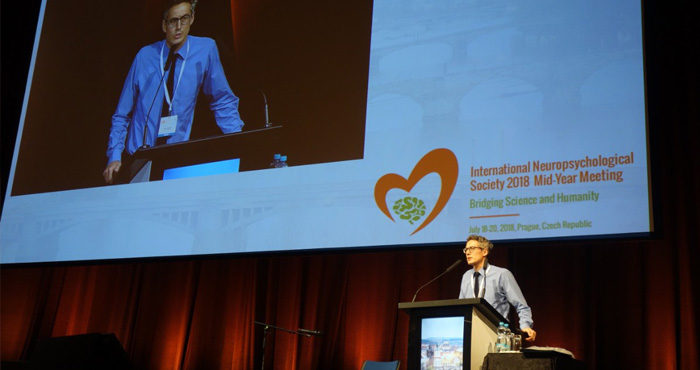
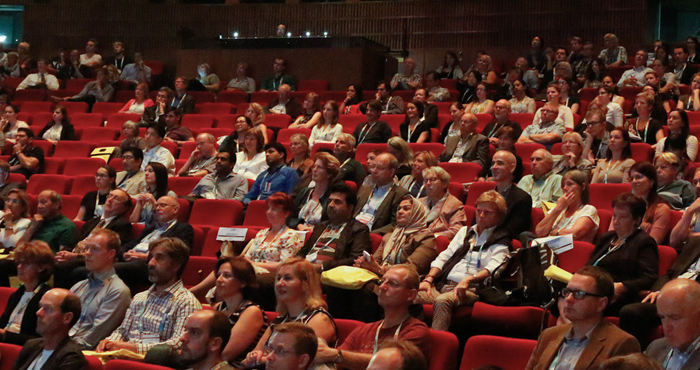
Clinicians can also support better evidence by recording administration details and unusual responses. Conference programmes such as the Prague meeting venue reflect the value of bringing researchers and practitioners together across countries. Cultural bias in verbal fluency testing remains an area of known risks and genuine unknowns, making transparent reporting essential.
General Information
Important information about the meetingIndustry
Support and exhibition opportunitiesCzech Republic
Beautiful country situated in the very heart of EuropeContact
How can we help you?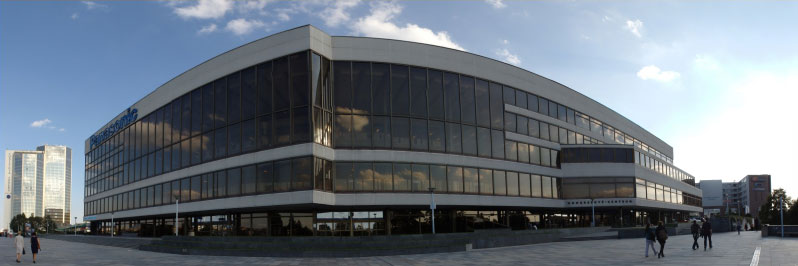
Prague Congress Centre (KCP)
5.května 65140 21 Prague 4
Czech Republic
Phone: +420 261 171 111
Website: www.kcp.cz