




Actigraphy and the changing picture of cognitive ageing
Actigraphy gives cognitive ageing researchers a practical way to examine sleep, movement and daily rhythms outside the clinic. A small wrist-worn device records patterns such as activity levels, rest periods, sleep timing and circadian regularity, creating a picture of everyday function that memory tests alone cannot provide.
For Australian researchers, this approach is especially useful across varied living environments. An older adult in inner Melbourne, a retiree in regional Queensland and a participant in remote Western Australia may have very different routines, transport options, climates and social supports. Actigraphy can help capture those differences while keeping assessment relatively unobtrusive.
What actigraphy measures
An actigraph usually contains an accelerometer that detects movement across the day and night. Algorithms estimate sleep onset, wake time, sleep duration, wake after sleep onset and daytime activity. Some devices also record light exposure or heart-rate information, although these measures need careful validation before being treated as direct indicators of cognition.
The strength of actigraphy is its repeated measurement. A single laboratory night may not represent a participant’s normal routine, whereas seven to fourteen days of monitoring can reveal weekday and weekend variation, fragmented sleep or reduced daytime engagement. Researchers should report device model, wear-time rules, non-wear definitions and scoring methods clearly.
Why daily rhythms matter for cognition
Sleep disruption and inactivity are associated with poorer attention, executive function and memory performance in later life. Irregular circadian rhythms may also reflect changes in mood, medication use, social participation or early neurodegenerative disease. Actigraphy does not diagnose dementia, but it can identify behavioural patterns worth investigating with neuropsychological assessment.
Movement data should be interpreted alongside health and lifestyle information. Pain from osteoarthritis, nocturia, hearing loss, depression and caring responsibilities can all alter sleep or activity. Physical activity itself remains an important research variable, and findings on exercise and cognition can help frame hypotheses about how routine movement relates to brain health.
Designing an Australian study
Australia’s geography makes protocol design particularly important. A study spanning Sydney, Adelaide and rural New South Wales may encounter different temperatures, housing arrangements and access to services. Researchers should plan for postage, device replacement and technical support when participants live several hours from a university or hospital.
The participant experience also matters. Clear instructions in plain English, a prepaid return satchel and a local phone number can improve compliance. In Australia, “no worries” reassurance is friendly, but consent materials must still explain battery charging, shower restrictions, privacy and what happens if a device is lost.
Working with culturally diverse communities
Cultural context shapes sleep, activity and the meaning of health data. Research involving Aboriginal and Torres Strait Islander communities should be developed with appropriate community governance, local consultation and respect for Indigenous data sovereignty. A protocol created in a metropolitan clinic may not suit community-controlled health settings or remote households.
Language, family involvement and trust also affect recruitment. Older migrants may use different sleep schedules, share bedrooms with relatives or follow religious routines that influence light exposure and activity. Translators and culturally safe communication can reduce misunderstandings, while flexible collection windows may be more respectful than rigid laboratory-style scheduling.
Combining wearable data with cognitive testing
Actigraphy is most informative when paired with established neuropsychological measures. Processing speed, verbal learning, working memory and executive function can be compared with sleep regularity, daytime movement and sedentary time. Repeated cognitive testing may show whether behavioural changes precede measurable decline or simply reflect temporary illness.
Researchers should avoid treating device outputs as perfectly objective. Algorithms can misclassify quiet wakefulness as sleep, particularly in people with insomnia or neurological conditions. A participant diary, sleep questionnaire, medication record and carer report can clarify unusual readings and strengthen interpretation.
Addressing adherence and data quality
Wrist comfort, skin sensitivity and forgetfulness are common barriers. Participants may remove a device for gardening, swimming at the local pool or working around machinery. A short run-in period allows researchers to identify fit problems before the main recording window and gives participants confidence using the equipment.
Quality checks should examine missing nights, charging gaps and implausible activity counts. Researchers can set a minimum valid wear period, but overly strict rules may exclude people with frailty or cognitive impairment. Recording why data are missing is valuable because non-wear may itself signal fatigue, hospital admission or functional difficulty.
Turning findings into useful care
The clinical value of actigraphy lies in connecting patterns to practical decisions. Persistent late sleep timing might prompt a review of light exposure, medication or daily structure. Low daytime activity could lead to referral for falls prevention, physiotherapy or a social activity programme rather than an assumption of inevitable cognitive decline.
For Australian ageing services, results should be presented in language that families and clinicians can use. A graph showing fragmented sleep is more helpful when accompanied by context about pain, housing, transport and routine. Used carefully, wearable monitoring can extend neuropsychology beyond the consulting room and support a more humane understanding of cognitive ageing.
General Information
Important information about the meetingIndustry
Support and exhibition opportunitiesCzech Republic
Beautiful country situated in the very heart of EuropeContact
How can we help you?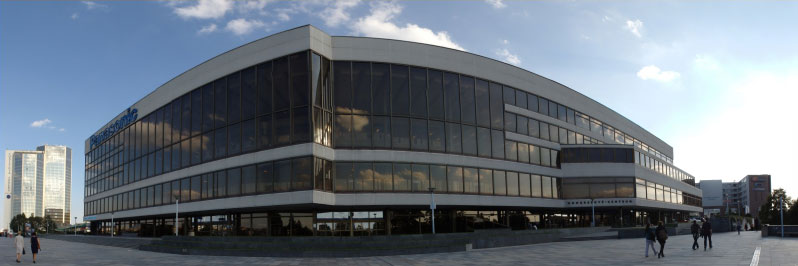
Prague Congress Centre (KCP)
5.května 65140 21 Prague 4
Czech Republic
Phone: +420 261 171 111
Website: www.kcp.cz