




Neuropsychology of Autoimmune Limbic Encephalitis
Autoimmune limbic encephalitis is an inflammatory brain disorder in which the immune system targets neural proteins, often affecting the hippocampus, amygdala and connected temporal-lobe networks. Patients may develop rapidly changing memory, seizures, confusion, psychiatric symptoms or sleep disturbance. The clinical picture can resemble epilepsy, dementia, psychosis or a primary psychiatric illness.
Neuropsychological assessment helps define this changing pattern. A person may struggle to learn new information while retaining conversational ability, or show anxiety and irritability alongside subtle executive dysfunction. Testing provides a baseline, supports differential diagnosis and helps clinicians track recovery after immunotherapy, antiseizure treatment and rehabilitation.
For Australian services, the pathway may run from a local GP to an emergency department, neurologist and neuropsychologist at a metropolitan tertiary hospital. Someone living in regional New South Wales, Queensland or Western Australia may face long travel to a specialist clinic, while telehealth can assist with follow-up. In everyday clinical language, families may describe a sudden “change in personality” or say the patient is “not themselves”.
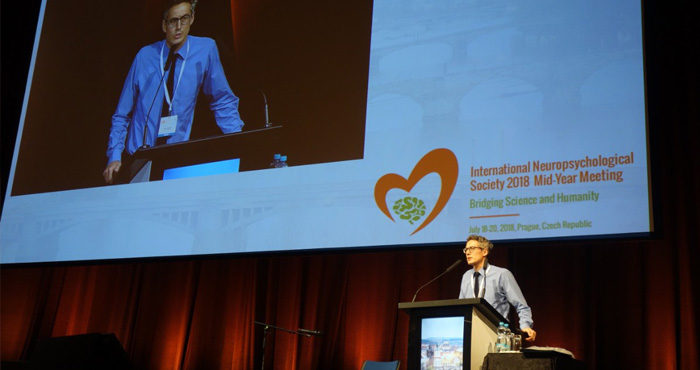
The 2018 International Neuropsychological Society meeting in Prague reflected the value of joining neuroscience with humane clinical care. Its emphasis on culture, patient experience and professional collaboration remains relevant to Australian practice, where Medicare-funded services, public hospital waiting lists, private assessment and culturally safe care must often work together.
Recognising The Cognitive Pattern
The hallmark cognitive feature is usually anterograde memory impairment: difficulty retaining new conversations, appointments or recently learned information. Verbal learning may be especially affected, although visual memory, attention and working memory can also deteriorate. Remote autobiographical memories may appear stronger, giving an uneven profile that can be missed during a brief bedside examination.
Emotional and behavioural symptoms can be prominent. Fear, irritability, apathy, hallucinations, sleep disruption and altered social judgement may occur before a clear neurological diagnosis. Neuropsychologists should interpret these findings alongside seizures, cerebrospinal fluid results, MRI changes, EEG findings and antibody status rather than treating a test score as diagnostic in isolation.
Antibodies, Networks And Brain Function
Different antibody-associated syndromes produce different clinical risks. LGI1 encephalitis is often associated with prominent memory problems, seizures and faciobrachial dystonic seizures, while NMDA receptor encephalitis may involve psychiatric symptoms, dyskinesias, language disturbance and impaired executive control. GABA-B and other antibody presentations can have distinctive seizure and memory profiles.
The cognitive consequences reflect disrupted neural networks rather than a single damaged “memory centre”. Hippocampal inflammation can interfere with encoding and consolidation, while frontotemporal and subcortical connections may affect planning, inhibition and emotional regulation. MRI may be normal early, so repeated assessment and careful clinical observation are important.
Assessment Across The Illness
Testing during the acute phase should be flexible, brief and sensitive to fatigue, seizures, medication effects and fluctuating alertness. Orientation tasks alone can underestimate impairment. Measures of verbal and visual learning, delayed recall, recognition, processing speed, language, executive function and mood offer a more useful profile.
After stabilisation, a fuller assessment can identify residual deficits and guide return to work, study or family roles. The neuropsychologist may also assess insight, driving-related cognition, medication management and capacity for financial or healthcare decisions. For an Australian patient, practical recommendations might address a graded return to a Sydney office, safety at a Queensland worksite or support during a long regional commute.
Rehabilitation And Family-Centred Care
Rehabilitation usually combines external memory aids, structured routines, errorless learning, pacing and strategies for reducing cognitive overload. A phone calendar, written handover, medication chart or voice reminder can be more useful than repeated efforts to “try harder”. Recovery may continue for months, with progress interrupted by seizures, sleep problems, depression or treatment side effects.
Families need clear explanations about fluctuating cognition and behaviour. A partner may be managing appointments, transport and supervision while also coping with uncertainty. In Aboriginal and Torres Strait Islander communities, assessment and rehabilitation should be culturally safe, involve the person’s chosen supports and account for language, community obligations and access to specialist care.
Coordinating Specialist Services
Good care depends on communication between neurologists, psychiatrists, neuropsychologists, occupational therapists, speech pathologists, nurses and GPs. The conference committee model is a useful reminder that complex neurological illness benefits from shared expertise rather than isolated professional decisions.
Australian systems can make coordination uneven. Public neuropsychology appointments may be limited, private assessments can be expensive, and rural patients may rely on visiting specialists or telehealth. A concise report should therefore prioritise functional effects, immediate risks, compensatory strategies and review dates, giving the GP and family information they can use between specialist appointments.
Translating Findings Into Daily Life
A cognitive profile becomes clinically valuable when it changes everyday support. Recommendations might include one task at a time, reduced background noise, written instructions, supervised medication routines and planned rest after appointments. Employers and universities may need staged hours, flexible deadlines and permission to record or repeat key information.
The following distinctions can help organise assessment and follow-up in Australian practice:
| Clinical domain | Common finding | Practical response |
|---|---|---|
| New learning | Rapid forgetting of conversations or instructions | Written summaries, alarms and spaced practice |
| Executive function | Poor planning, inhibition or task switching | Simple routines, checklists and supervision |
| Behaviour and mood | Anxiety, irritability, apathy or psychosis | Psychiatric review, family education and predictable structure |
| Community function | Unsafe driving, work errors or missed medication | Occupational assessment and graded return plans |
| Long-term recovery | Uneven gains with persistent fatigue | Repeat testing, pacing and coordinated rehabilitation |
Neuropsychology is most effective when it follows the person across acute illness, recovery and community reintegration. In autoimmune encephalitis, test results should remain connected to lived experience: remembering a child’s school pickup, managing a Centrelink appointment, navigating public transport or returning safely to work. That balance between scientific precision and humane care was central to the international neuropsychological conversation and remains essential in Australia.
General Information
Important information about the meetingIndustry
Support and exhibition opportunitiesCzech Republic
Beautiful country situated in the very heart of EuropeContact
How can we help you?
Prague Congress Centre (KCP)
5.května 65140 21 Prague 4
Czech Republic
Phone: +420 261 171 111
Website: www.kcp.cz