




Neuropsychological Assessment in Dementia Care Planning
Neuropsychological assessment helps turn concerns about memory and thinking into a clearer care plan. It examines attention, learning, language, executive skills, visuospatial abilities and everyday functioning, rather than relying on a single screening score. For people living with dementia, the process can clarify strengths, support needs and practical risks.
In Australia, assessment commonly sits within a broader pathway involving a GP, geriatrician, neurologist, memory clinic, occupational therapist and family members. A referral may lead to public hospital services, a private neuropsychologist or a community provider funded through aged-care arrangements. Access varies considerably between metropolitan areas such as Sydney, Melbourne and Brisbane and regional or remote communities.
Good assessment is person-centred. It considers education, language, hearing, vision, mood, sleep, medication and cultural background before interpreting results. This matters in a multicultural country where an older person may speak English as a second or third language, or may have had limited formal schooling.
The aim is practical planning, not simply assigning a diagnostic label. Findings can guide conversations about driving, medication management, finances, living arrangements, work, communication and future decision-making. They can also help families understand what remains possible and where assistance is needed.
Clarifying Cognitive Change
A detailed assessment can distinguish patterns associated with Alzheimer’s disease, vascular cognitive impairment, Lewy body disease, frontotemporal dementia and other neurological conditions. It may also identify potentially reversible contributors, including depression, delirium, sleep apnoea, pain or medication effects.
Results are interpreted alongside medical history, brain imaging and reports from people who know the patient well. A person may perform adequately in a quiet clinic yet struggle with shopping, public transport or online banking. For this reason, collateral information from a partner, adult child or support worker is essential.
Connecting Findings With Daily Life
The most useful report translates test performance into everyday consequences. Reduced verbal learning may mean that spoken instructions are quickly forgotten, while preserved recognition memory could support written prompts, labelled storage and consistent routines. Executive difficulties may call for supervision with bills, cooking or appointments.
Assessment can also identify retained abilities. Someone with dementia may still manage familiar household tasks, enjoy gardening or contribute to family decisions when information is presented slowly. Care planning should protect these roles instead of assuming that every difficulty requires complete withdrawal from activity.
Supporting Australian Care Pathways
Australian families often move between a GP, a state-based public memory service and My Aged Care. A neuropsychological report can provide evidence for discussions about home support, respite, residential care and allied health input. Funding rules and waiting times differ by state, so clear documentation of functional impact is valuable.
Rural Australians may face long travel to a major centre, including services in Adelaide, Perth or regional New South Wales. Telehealth can assist with interviews and follow-up, although formal cognitive testing may still require an in-person appointment. Planning should account for transport, fatigue and whether a trusted support person can attend.
Respecting Culture And Communication
Cognitive scores can be misleading when assessment does not reflect a person’s language, schooling or cultural experience. Clinicians may need interpreters, translated instructions or culturally appropriate measures. For Aboriginal and Torres Strait Islander clients, culturally safe practice includes building trust, allowing time for community and family involvement, and recognising the effects of unequal access to education and healthcare.
Families may use familiar terms such as “memory problems” or “getting a bit muddled” rather than dementia. Sensitive communication avoids shaming language and explains findings in concrete terms. A written summary in plain English can help relatives coordinate care while respecting the person’s privacy and preferences.
Planning Safety And Future Decisions
Assessment findings can inform discussions about driving, wandering, falls, medication errors and vulnerability to financial exploitation. In Australia, driving decisions may involve state or territory medical reporting requirements, so clinicians must connect cognitive evidence with local licensing guidance and on-road performance where appropriate.
Advance care planning is easier when it begins before capacity is severely affected. Conversations may cover enduring powers of attorney, substitute decision-makers, preferred living arrangements and health treatment choices. The assessment does not determine a person’s worth or automatically remove legal capacity; it contributes evidence to a broader, decision-specific evaluation.
Making Recommendations Work
Recommendations should be specific, achievable and reviewed over time. “Provide support” is less useful than “use a weekly blister pack, place appointments on a large calendar and have a family member check medication twice daily.” Occupational therapy can assess the home, while speech pathology may address communication or safe eating concerns.
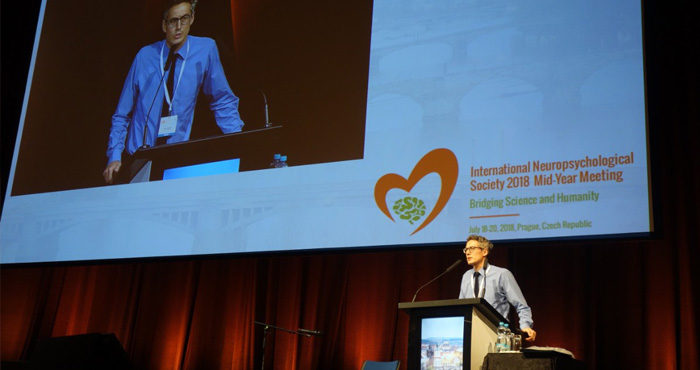
Families and professionals also benefit from coordinated information sharing. At a professional gathering such as the INS meeting in Prague, informal discussion over the welcome cocktail reflected the value of connecting research with clinical practice. The same principle applies in Australian care: GPs, specialists, aged-care workers and families need a shared understanding of the person’s abilities and priorities.
Care plans should be revisited as dementia progresses or circumstances change. New symptoms, hospital admissions, bereavement or a move from independent living to residential care can alter support needs. Regular review keeps recommendations grounded in the person’s current life, relationships and goals.
General Information
Important information about the meetingIndustry
Support and exhibition opportunitiesCzech Republic
Beautiful country situated in the very heart of EuropeContact
How can we help you?
Prague Congress Centre (KCP)
5.května 65140 21 Prague 4
Czech Republic
Phone: +420 261 171 111
Website: www.kcp.cz