




Pupillometry as a Window into Cognitive Effort During Memory Testing
When clinicians ask patients to remember word lists or stories, the responses reveal only the final outcome: what was recalled or forgotten. Yet between stimulus and response lies a richer record of mental effort, encoded in subtle changes to the size of the pupil. Pupillometry, the measurement of pupil dilation as an index of cognitive load, has moved from a laboratory curiosity to a practical tool in neuropsychology.
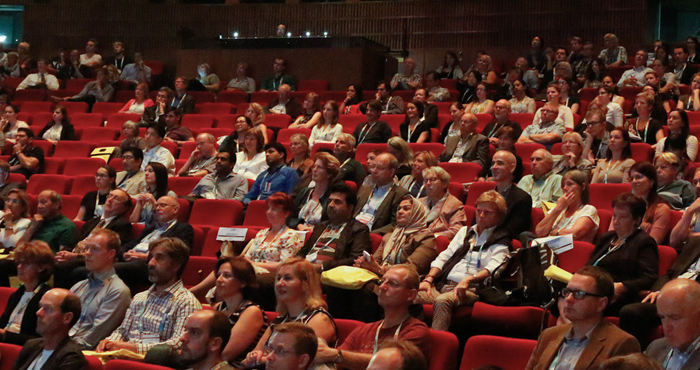
This technique resonates strongly with the themes of the 2018 International Neuropsychological Society mid-year meeting in Prague, which emphasised bridging scientific advances with humane patient care. For practitioners working in cities such as Sydney or Melbourne, where diverse caseloads range from traumatic brain injury to dementia assessment, objective measures of cognitive effort complement behavioural observations.
What pupillometry reveals about memory
Pupil dilation is not simply a reflex to ambient light. Under stable illumination, the iris adjusts dynamically with changes in arousal and mental effort. Studies consistently show that pupil size increases during tasks that require active processing, including the encoding of new information and the retrieval of items from memory. The magnitude of dilation often correlates with task difficulty, with deeper engagement producing larger responses.
This relationship makes pupillometry especially useful for distinguishing between successful recollection and effortful retrieval, two outcomes that may look identical in a simple recall score. A patient might produce the same number of correct answers as another individual, yet invest very different levels of mental exertion.
The neurobiology behind pupil dilation
The pathway connecting thought to iris is well understood. Activity in the locus coeruleus, a small brainstem nucleus, modulates norepinephrine release throughout the cortex. The same signal projects to the dilator muscle of the iris, producing measurable dilation. When a task demands sustained attention or working memory, locus coeruleus firing increases, and the pupil widens accordingly.
This shared neural substrate explains why pupil responses are reliable markers of cognitive effort across a range of paradigms. Researchers at institutions such as Macquarie University and the University of Melbourne have advanced our understanding of these signals. Clinicians registered with AHPRA can integrate these findings into evidence-based practice within Australian regulatory frameworks.
Experimental paradigms in memory testing
Working memory paradigms provide a clear illustration of pupil dynamics. During digit span or n-back tasks, dilation rises with increasing load and returns to baseline shortly after each trial. Encoding tasks, where participants study word lists for later recall, show similar patterns, with the most challenging items producing the largest dilations. Retrieval phases also generate measurable effort signals.
These paradigms have been adapted for clinical use. Recent summaries of executive function training evidence suggest that objective effort markers may help distinguish genuine cognitive engagement from task disengagement in rehabilitation contexts.
Clinical applications in Australian practice
The National Disability Insurance Scheme has reshaped how cognitive assessments are funded and delivered across Australia. Practitioners now have greater scope to recommend comprehensive evaluations for individuals with neurological conditions or acquired brain injuries. Pupillometry offers a non-invasive addition requiring only an eye tracker or a well-calibrated camera.
A neuropsychologist in Brisbane or Adelaide might use pupillometry during post-stroke follow-ups. Tracking responses across multiple sessions can reveal whether fatigue, medication effects, or recovery trajectories influence performance. For patients who struggle to articulate subjective experience, these markers provide a complementary perspective that supports shared decision-making.
Methodological considerations and confounds
Although the technique is promising, pupillometry requires careful control. Ambient lighting, screen luminance, and caffeine intake can influence baseline pupil size. Some medications, including anticholinergics and beta-blockers, may distort results. Researchers should record these variables and test participants in consistent environments.
Data analysis also demands rigour. Raw traces contain blinks, drifts, and artefacts. Standard pipelines involve blink detection, interpolation, and baseline correction. Attendees at the Prague conference who booked through the venue accommodation details portal will find that comfortable, distraction-free testing rooms support more reliable measurements.
Cultural considerations in cognitive assessment
Australia is one of the most multicultural societies in the world, with over a quarter of residents born overseas. Neuropsychological assessment must account for language background, educational experience, and cultural concepts of memory and effort. Pupillometry may be less influenced by cultural factors than verbal test performance, because dilation reflects underlying arousal rather than learned strategies.
Still, researchers should interpret findings within cultural context. A participant who appears disengaged behaviourally may exert considerable cognitive effort, and pupil data can reveal this discrepancy. As the field moves toward more inclusive assessment frameworks, pupillometry may help reduce cultural bias in cognitive testing, supporting fairer diagnostic decisions for individuals from diverse backgrounds.
Future directions in cognitive effort research
Portable eye trackers, smartphone-based systems, and web-based assessments are making pupillometry more accessible. Machine learning approaches are being applied to pupil time series to classify cognitive states and predict performance. These advances align with Australian investments in digital health infrastructure and remote assessment, particularly in rural and regional communities.
The integration of pupillometry with other physiological markers, such as heart rate variability, promises even richer insights into cognitive effort. As these approaches mature, clinicians will be better equipped to understand not just whether patients can remember, but how much mental work each act of remembering demands. That understanding brings the field closer to truly humane neuropsychological care.
General Information
Important information about the meetingIndustry
Support and exhibition opportunitiesCzech Republic
Beautiful country situated in the very heart of EuropeContact
How can we help you?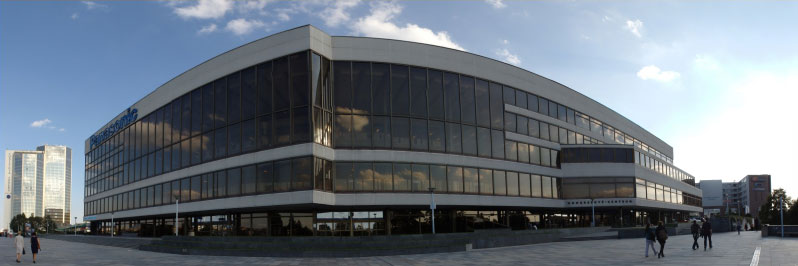
Prague Congress Centre (KCP)
5.května 65140 21 Prague 4
Czech Republic
Phone: +420 261 171 111
Website: www.kcp.cz