



When Listening Fades: Cognitive Aging Meets Hearing Loss
For many older Australians, the world gradually becomes harder to hear. Conversations in noisy cafés along Sydney's harbour or announcements at Brisbane train stations can blur into an indistinct murmur as decades pass. Yet hearing difficulty rarely arrives alone. Researchers recognise that sensory decline and cognitive change share underlying biology and opportunities for intervention.
The link between auditory function and thinking skills has moved from clinical anecdote to active research. Audiologists, neuropsychologists, and geriatricians now treat hearing as a window into brain health across the lifespan.
Australia's ageing population makes this intersection especially relevant. More than four million people are aged sixty-five or older, and hearing loss affects roughly one in three adults over fifty. Understanding how they interact is now a public health priority.
This article explores the relationship, what Australian services offer, and where research and care might converge.
Shared Pathways in the Ageing Brain
Hearing and cognition depend on overlapping neural networks. The auditory cortex, prefrontal regions, and hippocampus all participate in decoding speech in noisy settings. When peripheral hearing weakens, the brain allocates extra cognitive resources to fill in missing sound, a process sometimes called "listening fatigue." Over years, this reallocation may accelerate decline in memory and executive function.
Vascular factors also bind the two systems. Hypertension, diabetes, and smoking damage the small vessels supplying both the cochlea and the cerebral cortex. In Australia, these shared risks carry real weight. Treating them early protects both hearing and thinking.
Hearing as a Modifiable Risk Factor
Among dementia risk factors identified internationally, hearing loss stands out because it is treatable. Large cohort studies suggest mid-life hearing impairment accounts for a meaningful share of preventable cognitive decline.
In Australia, the Hearing Services Program provides subsidised assessments and devices to pensioners and most adults over 65 through the Office of Hearing Services, including in regional areas such as the New South Wales Central West where private audiology services are sparser.
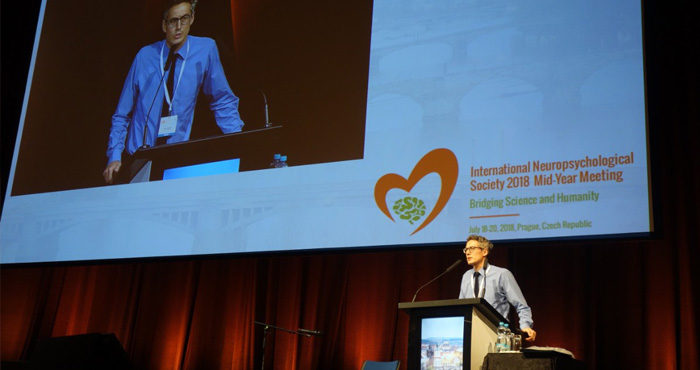
Multidisciplinary care is increasingly recommended. Memory clinics in Perth and Adelaide now routinely ask about hearing, while some audiology practices screen for memory concerns. Bridging these specialties reflects the spirit highlighted under the INS mid-year meeting auspices.
The Cognitive Cost of Untreated Hearing Loss
Untreated hearing loss carries consequences beyond missed conversations. Studies link it to faster memory decline, higher rates of depression, and increased risk of falls among older adults. In Australian residential aged care, hearing difficulties are often under-recognised, compounding isolation and confusion for residents.
Timely correction through hearing aids or cochlear implants may slow some trajectories. The evidence base is maturing, but is sufficient to guide clinical practice today, especially alongside cognitive monitoring.
Assessing Both Ears and Mind
Comprehensive assessment should include both audiological and cognitive components. Pure-tone audiometry remains standard, but speech-in-noise testing better reflects everyday listening in bustling supermarket aisles or community halls.
Brief cognitive screens like the Montreal Cognitive Assessment can flag concerns, with full neuropsychological testing reserved for complex presentations. Combining sensory and cognitive data helps clinicians distinguish age-related changes from early neurodegeneration and guides hearing aid and cochlear decisions.
| Approach | Primary Focus | Typical Setting | Strengths | Limitations |
|---|---|---|---|---|
| Standard audiometry | Hearing sensitivity | Audiology clinic | Objective, well-established | Limited real-world relevance |
| Speech-in-noise testing | Functional listening | Clinic or lab | Reflects daily challenges | Requires calibrated equipment |
| Brief cognitive screens | Global cognition | GP or clinic | Quick, sensitive | Less domain-specific |
| Full neuropsychological battery | Detailed cognition | Specialist clinic | Comprehensive profile | Time-intensive and costly |
Cultural and Lifestyle Contexts
Australia's cultural diversity shapes how hearing loss is perceived. Among Aboriginal and Torres Strait Islander communities, otitis media and hearing difficulties remain more common, with lifelong consequences for education and employment. Programs in the Northern Territory and Western Australia's Kimberley region work alongside community elders to deliver culturally safe ear care.
Among older migrants from non-English-speaking backgrounds, hearing loss compounds language difficulties. Melbourne's community hubs illustrate how language and hearing interact in everyday practice.
Lifestyle matters too. Participation in choirs, men's sheds, and lifelong learning can buffer against social withdrawal and cognitive decline, aligning with the Aged Care Quality Standards.
Management Beyond the Hearing Aid
Hearing aids help many, but are not the only option. Assistive listening devices, television loop systems, captioning apps, and home modifications all play a role. Cochlear implantation is increasingly offered to older adults who gain limited help from conventional aids.
Cognitive rehabilitation complements sensory devices. Training in communication tactics and memory strategies helps people adapt, and family education matters equally. Partners can learn to face the speaker, reduce background noise, and rephrase rather than repeat.
Practical pointers for clinicians and families:
- Schedule hearing checks alongside annual health reviews.
- Notice withdrawal from group activities as a possible early sign.
- Advocate for audiology services in residential aged care.
- Encourage communication strategies alongside devices.
Priorities shaping future research and policy:
- Long-term Australian data on hearing and cognitive outcomes.
- Integration of audiology into national dementia risk reduction plans.
- Sustained funding for Aboriginal ear health in remote regions.
- Training aged care staff in hearing-aware communication.
Looking Ahead
The convergence of cognitive aging and hearing loss offers a rare opportunity: a common, often treatable condition that may meaningfully lower dementia risk. Australia's universal healthcare, established hearing services, and active research community provide a strong foundation.
For clinicians and individuals, the message is clear: protect hearing early, address loss promptly, and treat cognitive health as connected to sensory health. Related perspectives appear in work on the neuropsychology of huntington's disease current findings and care, and the coming decade promises clearer answers for older Australians seeking to stay engaged and sharp.
General Information
Important information about the meetingIndustry
Support and exhibition opportunitiesCzech Republic
Beautiful country situated in the very heart of EuropeContact
How can we help you?
Prague Congress Centre (KCP)
5.května 65140 21 Prague 4
Czech Republic
Phone: +420 261 171 111
Website: www.kcp.cz