




Compensation Strategies That Fit Into Daily Routines
Memory slips are part of normal cognition, and most Australians reach for a practical workaround long before considering clinical advice. Whether the goal is remembering a chemist pickup on the way home in Parramatta or holding a thought long enough to write it down after the school run in Brisbane, compensation is something people already do.
The science behind these everyday adjustments has matured, and neuropsychology now describes internal and external techniques that can be layered into ordinary life. The methods below travel well beyond a clinic room, shaped by culture, infrastructure, and personal habit.
External Aids and the Calming Effect of Offloading
Writing things down reduces the cognitive load on working memory, which is why a notebook on the kitchen bench in a Melbourne share house or a notes app in Perth is so often the first strategy a person reaches for. External aids shift the demand onto the environment, freeing attention for the task at hand. A shopping list written before an early Coles run lets a person move through the aisles without pausing to reconstruct the fridge.
Consistency matters more than the specific tool. A whiteboard near the front door in a Brisbane home works as well as a smartphone reminder for the weekly Bunnings trip, provided the user sticks to the same system. Choosing one channel and trusting it removes the daily frustration of checking three places at once.
Calendar Tools and Transport Cues in Australian Cities
Calendars paired with location cues outperform time-only reminders, because prospective memory fires off environmental triggers. Catching a train from Central Station, tapping an Opal card, and remembering the appointment that prompted the journey shows how transport and memory can work together. Linking a task to a fixed ritual, such as a weekly flat white at the same café in Carlton, often beats any digital alarm as a recall cue.
Long-distance drivers heading from Adelaide into the Riverland or from Cairns south for a family visit often rely on a written itinerary taped to the dashboard. A printed route summary paired with the calendar entry keeps a reminder and a backup if the phone loses signal in a coverage gap.
Spaced Retrieval and Verbal Rehearsal
Spaced retrieval involves pulling information back into mind at gradually increasing intervals, strengthening the association without exhausting attention. Australians preparing for a citizenship test, nursing registration exam, or TAFE assessment often use this approach without naming it, returning to flashcard sets across several days.
Verbal rehearsal, such as repeating a name aloud after an introduction or saying a shopping list back to oneself in the car park, is another quiet but effective tool. Portable and free, the technique is socially invisible, which makes it easy to fold into a busy GP waiting room or queue at the post office.
Place-Based Strategies and Familiar Landmarks
Method of loci, sometimes called the memory palace, ties items to be remembered to specific locations along a familiar route. For Sydneysiders, this could mean placing a mental image of each to-do item onto different stops from Circular Quay to the Royal Botanic Garden. The brain retrieves spatial memories readily, so items come back in order.
Country towns offer their own anchors, with the local bakery, the fuel pump, and the community noticeboard acting as reliable stepping stones. When memory concerns cross from everyday slip-ups into something more persistent, the culturally sensitive assessment protocol helps practitioners evaluate patients against norms that respect language, background, and community context, which matters in a country as linguistically varied as Australia.
Chunking and Grouping in Everyday Tasks
Chunking breaks a long string of information into smaller, meaningful clusters, and it is the reason Australian phone numbers feel easier to recall in pairs of two digits than as one ten-digit string. The same grouping principle helps with remembering a four-item grocery list, a set of questions for a specialist appointment, or the agenda of a community meeting.
Pharmacists and GPs often encourage patients to pair chunking with a routine, such as reviewing a medication list each Sunday evening. For those navigating Medicare paperwork or NDIS plan reviews, grouping related documents into labelled folders creates the same relief that a tidy desk offers.
Habits, Routines, and Repetition
Habits are memory strategies the body runs without conscious input, forming the scaffolding around which compensations are built. A person who places keys in the same bowl by the front door in Fremantle uses a habit-based external cue, while someone who reviews tomorrow's tasks after the evening news in Geelong uses a habit-based time cue.
Research consistently shows that new routines take hold more reliably when attached to an existing behaviour, a technique known as habit stacking. Drinking a morning coffee before sitting down to plan the day, or folding laundry while listening to a podcast about Australian history, builds these pairings with little extra effort.
When to Seek Clinical Guidance
Self-directed strategies work well for ordinary forgetting, but persistent or worsening changes warrant a proper assessment. Discussing patterns with a GP, asking for a referral to a neuropsychologist, and preparing a clear history of symptoms are practical first steps that often speed up the diagnostic process.
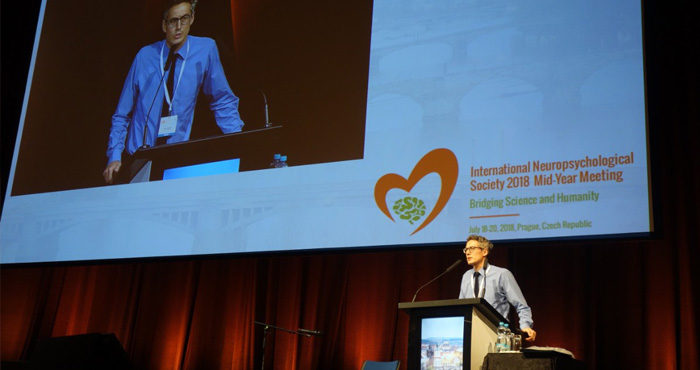
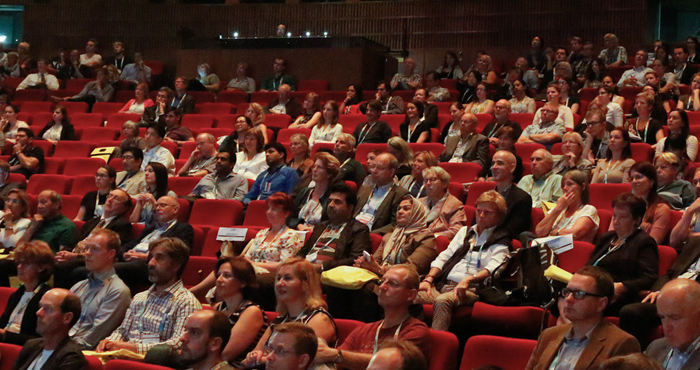
For clinicians and researchers, the INS mid-year meeting in Prague offers a focused setting to deepen knowledge of contemporary neuropsychological practice. The registration guide explains how to secure a place, choose workshops, and plan travel through a city that blends medieval streets with modern tram lines.
General Information
Important information about the meetingIndustry
Support and exhibition opportunitiesCzech Republic
Beautiful country situated in the very heart of EuropeContact
How can we help you?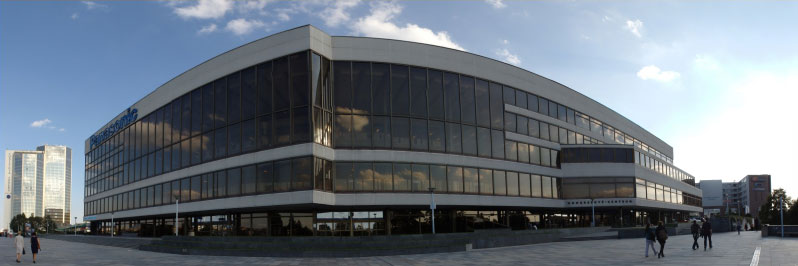
Prague Congress Centre (KCP)
5.května 65140 21 Prague 4
Czech Republic
Phone: +420 261 171 111
Website: www.kcp.cz