



Patterns of vascular cognitive impairment after subcortical stroke
Vascular cognitive impairment following a subcortical stroke is increasingly recognised as a distinct clinical entity. Unlike cortical infarcts, small deep lesions in the basal ganglia, thalamus, or periventricular white matter disrupt frontal-subcortical networks, producing characteristic cognitive and behavioural profiles. With Australia's ageing population and high rates of hypertension and diabetes, clinicians from Hobart to Cairns regularly encounter these patients in acute and rehabilitation settings.
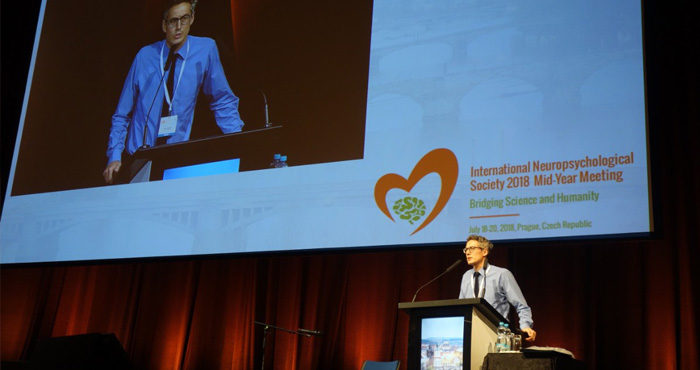
The patterns observed in subcortical vascular cognitive impairment inform prognosis, rehabilitation planning, and caregiver support. During the INS 2018 meeting in Prague, researchers discussed harmonised diagnostic criteria and emerging management approaches. This article summarises clinical patterns, diagnostic considerations, and management strategies relevant to neuropsychologists, neurologists, and allied health professionals working across Australian healthcare services.
Subcortical ischaemia and network disruption
Subcortical strokes typically arise from small vessel disease, hypertensive arteriopathology, or lipohyalinosis affecting penetrating arterioles. Lacunar infarcts in the caudate, putamen, thalamus, or internal capsule interrupt tightly organised cortico-striato-thalamo-cortical loops. Strategic single lesions in the dorsomedial thalamus, for instance, can produce dense cognitive deficits disproportionate to lesion volume. White matter hyperintensities on MRI reflect chronic ischaemic injury and reduced connectivity between prefrontal regions and posterior cortical hubs.
In Australian stroke cohorts documented by the Stroke Foundation, lacunar syndromes account for roughly a quarter of all ischaemic events. The cumulative burden of white matter disease, rather than any single infarct, often drives the clinical picture. Vascular risk factors including atrial fibrillation, hypercholesterolaemia, smoking, and metabolic syndrome require aggressive secondary prevention to limit further damage.
Executive dysfunction and slowed processing
The hallmark cognitive signature of subcortical vascular cognitive impairment is the dyad of executive dysfunction and bradyphrenia. Patients struggle with planning, cognitive flexibility, working memory, and decision-making, while simple and choice reaction times lengthen considerably. Processing speed deficits are typically the most pronounced finding on neuropsychological testing, sometimes outweighing memory complaints.
Unlike Alzheimer's disease, where episodic memory loss dominates early, subcortical vascular impairment preserves recognition memory relatively well but impairs recall due to poor retrieval strategies. Language remains largely intact in the absence of strategic thalamic or basal ganglia lesions, though word-finding difficulties can emerge under cognitive load. Attention fluctuates, with marked susceptibility to interference and reduced sustained vigilance.
Behavioural change and mood disturbance
Apathy is among the most disabling and under-recognised features. Patients show reduced initiative, diminished interest in hobbies, and flattened affect that can be mistaken for depression. When depressive symptoms coexist, with Australian studies reporting rates above thirty percent in the first year, they compound functional decline and reduce engagement with rehabilitation.
Emotional lability and pseudobulbar affect occur in a substantial minority, particularly with bilateral subcortical lesions. Anxiety, irritability, and loss of social tact further strain relationships. These changes reflect disruption to limbic prefrontal circuits rather than primary psychiatric illness, and they warrant specific therapeutic approaches including psychoeducation, behavioural activation, and pharmacological support when needed.
Neuroimaging and diagnostic workup
MRI remains the cornerstone, with T2/FLAIR sequences revealing white matter hyperintensities, lacunes of presumed vascular origin, and cerebral microbleeds suggestive of hypertensive or amyloid angiopathy. Quantifying white matter lesion burden using Fazekas or age-related white matter changes scales helps stratify risk. In Australia, Medicare-funded brain MRI under specialist referral supports timely diagnosis for patients with persistent cognitive complaints after stroke.
Neuropsychological assessment should cover executive function, processing speed, attention, and mood using tests sensitive to subcortical dysfunction. Trails A and B, Symbol Digit Modalities, Stroop, and the Controlled Oral Word Association Test provide useful bedside information, while comprehensive batteries clarify capacity for driving, financial management, and return to work in line with Australian regulatory requirements.
Risk of dementia and long-term trajectory
Approximately one in three patients develops dementia within five years of a first symptomatic lacunar stroke, with risk rising alongside white matter lesion burden, recurrent silent infarcts, and APOE ε4 carriage. Vascular contributions to cognitive impairment frequently coexist with neurodegenerative pathology in older Australians, producing mixed phenotypes that challenge diagnostic boundaries.
Progression is rarely linear. Some patients plateau for years with stable vascular risk factor control, while others decline stepwise following recurrent infarcts. Regular cognitive monitoring, vascular risk optimisation, and early detection of new lesions on follow-up imaging enable proactive adjustments to care plans and timely discussions about advance care planning.
Rehabilitation pathways in Australian practice
Rehabilitation in Australia follows a multidisciplinary model embedded within the National Disability Insurance Scheme and aged care frameworks. Speech pathologists, occupational therapists, physiotherapists, and clinical neuropsychologists collaborate across inpatient rehabilitation units in Melbourne, Brisbane, and Perth, as well as community-based programs in regional centres. Compensation schemes such as icare in New South Wales and the Transport Accident Commission in Victoria fund extended rehabilitation for eligible patients.
Cognitive rehabilitation emphasises compensatory strategies, external memory aids, and graded practice of executive tasks. Group programs addressing communication, fatigue management, and return-to-work planning are increasingly available, including through telehealth for rural and remote patients. Family education and support groups, coordinated with the Stroke Foundation's Connect program, reduce carer burden and improve long-term outcomes.
Cultural context and industry collaboration
Australia's multicultural population requires clinicians to interpret cognitive test performance within linguistic and educational contexts, using culturally appropriate norms where available. Aboriginal and Torres Strait Islander peoples experience higher rates of stroke and vascular risk factors yet face barriers to specialist neuropsychological services in remote communities. Culturally safe assessment, community-led rehabilitation models, and interpreter-mediated consultations help close these gaps.
Industry partners play a practical role in advancing assessment and rehabilitation tools, with diagnostic platforms, cognitive training software, and neuroimaging solutions showcased alongside clinical sessions at international meetings. Delegates interested in technologies supporting vascular cognitive impairment work can explore the INS 2018 sponsors and exhibitors directory for relevant collaborations.
General Information
Important information about the meetingIndustry
Support and exhibition opportunitiesCzech Republic
Beautiful country situated in the very heart of EuropeContact
How can we help you?
Prague Congress Centre (KCP)
5.května 65140 21 Prague 4
Czech Republic
Phone: +420 261 171 111
Website: www.kcp.cz