




Neuropsychology of Chronic Pain: Assessment and Intervention
Chronic pain changes far more than sensory experience. Persistent headaches, spinal pain, neuropathic symptoms and widespread musculoskeletal pain can disrupt attention, memory, sleep, mood, movement and confidence in everyday decisions. Neuropsychology helps clinicians distinguish cognitive effects associated with pain from those linked to medication, fatigue, depression, anxiety or neurological disease.
A useful assessment therefore connects test performance with the person’s lived environment. For an Australian patient, that may include a long commute in Sydney, shift work in Brisbane, limited specialist access outside Melbourne, or the practical demands of managing appointments through Medicare, private health insurance or the National Disability Insurance Scheme (NDIS).
Understanding The Cognitive Effects Of Persistent Pain
Pain competes for attentional resources. A person may appear forgetful when their working memory is occupied by monitoring symptoms, anticipating a flare or planning how to conserve energy. Processing speed can also decline when poor sleep, opioid medication or emotional distress compounds the neurological burden.
Assessment should avoid treating a low score as proof of permanent impairment. Premorbid abilities, education, language, cultural background and the timing of medication all influence results. Comparing current performance with functional history often provides a more accurate picture than relying on a single cognitive index.
Stress is an important modifier of performance. A review of stress and cognition can help practitioners consider why concentration fluctuates across testing, work and home settings rather than assuming that inconsistency reflects poor effort.
Building A Clinically Useful Assessment
A comprehensive evaluation combines interview data, behavioural observation, validated pain measures and targeted cognitive tasks. Useful domains include sustained attention, divided attention, executive control, verbal learning, visual memory and processing speed. Symptom validity measures should be used respectfully and interpreted alongside clinical context.
Self-report tools can clarify pain interference, catastrophising, fear of movement, sleep quality and emotional adjustment. Information from a partner, employer or treating team may reveal missed deadlines, unsafe driving, difficulty managing medication or withdrawal from social activities that the patient does not recognise.
Functional assessment is especially valuable when a person is seeking workplace adjustments or disability support. Reports should describe what the person can do, under which conditions, for how long, and what support reduces errors. This language is more useful than simply labelling cognition as “impaired”.
Culture, Communication And Australian Practice
Pain is expressed and understood through culture, family expectations and previous healthcare experiences. Clinicians should ask how the patient explains the pain, which treatments feel acceptable and whether communication barriers affect attendance or adherence. Interpreters, culturally safe practice and collaboration with Aboriginal and Torres Strait Islander health services may be essential.
Australian geography also shapes care. Someone in regional Western Australia may face travel and telehealth limitations, while a patient in Melbourne or Sydney may have specialist options but long waiting lists and expensive private appointments. A treatment plan must account for transport, employment, family care and the cost of repeated allied-health visits.
Privacy deserves careful attention when reports move between hospitals, insurers, employers and family members. The Australian Privacy Act 1988 and relevant health-record rules require clear consent and secure handling of sensitive information. Clinicians should explain who will receive the report and how much detail is necessary.
Designing Interventions That Transfer To Daily Life
Cognitive rehabilitation can target pacing, planning, prospective memory and distraction management. External aids such as phone reminders, written routines, medication charts and visual schedules reduce cognitive load. Strategies should be practised during realistic tasks rather than taught only in a quiet consulting room.
Pain education is most effective when it is specific and collaborative. Patients can learn how the nervous system becomes sensitised, how sleep and stress influence symptom intensity, and how graded activity differs from pushing through a flare. Psychological approaches may include cognitive behavioural therapy, acceptance and commitment therapy, relaxation training and exposure to feared movement.
Coordination with physiotherapists, occupational therapists, psychologists, general practitioners and pain specialists prevents contradictory advice. In the Australian market, access may depend on Medicare plans, private rebates, workers’ compensation or NDIS eligibility, so clinicians should distinguish clinically recommended care from services the person can realistically obtain.
Measuring Progress Without Reducing The Person
Outcome monitoring should include pain intensity, interference, participation, sleep, mood and confidence, as well as cognitive performance where relevant. A patient who still reports pain but returns to cooking, study or part-time work may have achieved meaningful improvement. Function and quality of life deserve equal status with symptom reduction.
Repeated testing requires caution because familiarity can inflate scores. Alternate forms, reliable change methods and carefully timed reassessment help distinguish genuine recovery from practice effects. Short ecological tasks, daily diaries and reports from family or employers can show whether gains transfer beyond the clinic.
Clinicians should also review medication changes, financial stress and new medical conditions. Chronic pain is dynamic, and treatment success may involve better self-management, fewer emergency visits, safer activity and improved participation rather than complete symptom disappearance.
Translating Conference Knowledge Into Practice
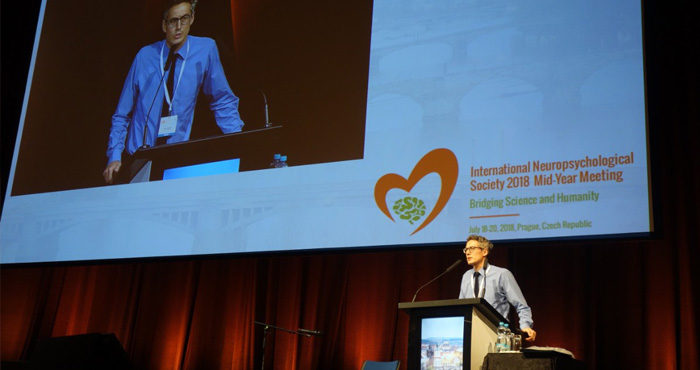
The INS 2018 meeting in Prague brought together scientific advances, clinical practice and humane patient care. Its programme, workshops and poster discussions reflected a broader principle: neuropsychological knowledge is most valuable when it improves communication and practical support. Historical conference resources can still help clinicians locate perspectives on pain, neuroscience and rehabilitation.
For professionals reviewing the meeting’s practical details or considering international education, the archived hotel reservation information sits alongside the wider conference context. Australian practitioners can adapt those lessons to local referral pathways, rural service delivery and multidisciplinary pain programs rather than importing an approach unchanged.
Useful practice priorities include:
- Establish a baseline covering cognition, pain interference, sleep, mood and daily function.
- Interpret test scores in relation to medication, language, education and cultural context.
- Teach pacing and external memory supports through meaningful real-world activities.
- Coordinate recommendations with medical, psychological, physical and occupational treatment.
- Document functional change clearly for employers, insurers, Medicare-linked care and NDIS processes.
A humane assessment recognises both impairment and capability. By linking neuroscience with the patient’s routines, relationships and access to care, clinicians can produce recommendations that remain useful after the appointment ends.
General Information
Important information about the meetingIndustry
Support and exhibition opportunitiesCzech Republic
Beautiful country situated in the very heart of EuropeContact
How can we help you?
Prague Congress Centre (KCP)
5.května 65140 21 Prague 4
Czech Republic
Phone: +420 261 171 111
Website: www.kcp.cz