





Culture, context and the lived experience of ADHD
Attention-deficit/hyperactivity disorder is diagnosed through patterns of inattention, impulsivity and hyperactivity, yet those patterns never appear in a cultural vacuum. Family expectations, classroom rules, work practices and ideas about acceptable behaviour all influence how symptoms are noticed and described.
Culture shapes symptom presentation in ADHD by affecting what people consider disruptive, careless, energetic or simply different. A child who talks over adults may be viewed as confident in one setting and disrespectful in another. An adult who changes jobs frequently may be seen as restless, entrepreneurial or unreliable, depending on the surrounding social narrative.
The same person can also present differently across contexts. Someone may concentrate intensely on an engaging task but struggle with paperwork, time management or routine administration. In Australia, a person might manage a fast-paced hospitality shift yet miss a Medicare appointment, forget a school note or leave bills until the last minute.
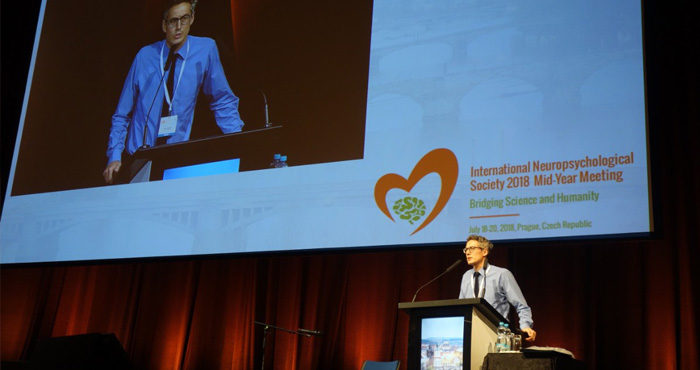
These distinctions were central to the kind of cross-cultural clinical discussion encouraged by the International Neuropsychological Society meeting in Prague. Good assessment connects neuroscience with humane care, recognising that symptom reports are shaped by language, relationships and access to services.
| Context | Behaviour that may be noticed | Cultural influence | Assessment focus |
|---|---|---|---|
| School | Calling out, unfinished work, leaving a seat | Classroom norms and teacher expectations | Consistency across subjects and years |
| Home | Forgetfulness, emotional intensity, lost items | Family roles and discipline styles | Daily impact and developmental history |
| Workplace | Missed deadlines, lateness, task switching | Job demands and management culture | Functional impairment, not personality labels |
| Community | Risk-taking or social interruption | Local ideas about politeness and independence | Context, safety and relationships |
Why symptoms look different
Diagnostic criteria describe behaviour, but observers interpret behaviour through cultural expectations. In some families, high activity is accepted as part of a lively temperament. In others, quiet compliance is strongly valued, so even moderate restlessness can attract concern.
Gender expectations can further disguise ADHD. Girls and women may compensate through perfectionism, excessive preparation or anxiety, while boys may be referred because their behaviour is more visible. Adults who have developed elaborate routines can appear organised during a short consultation while using enormous effort to maintain that appearance.
Language influences help-seeking
People do not always use clinical terms when describing attention difficulties. An Australian parent may say a child is “away with the fairies”, “full-on” or “bright but not applying himself”. An adult might describe their mind as “like a browser with too many tabs” rather than report executive-function difficulties.
Interpreters and bilingual clinicians need to explore the meaning behind those phrases rather than translate them mechanically. The emotional tone matters as well: “lazy”, “naughty” and “not living up to potential” can carry shame that affects whether a person seeks an assessment.
Families, schools and community expectations
Australian schools often rely on teacher observations, learning support records and reports from parents. These sources are valuable, yet they may reflect different standards across government, independent and Catholic systems. A student in a busy Melbourne classroom may be judged differently from one in a small regional school.
Family structure and cultural obligations also shape functioning. Caring for younger siblings, sharing crowded housing or moving between households can look like poor organisation when the underlying issue is competing demand. For Aboriginal and Torres Strait Islander families, assessment should be culturally safe, strengths-based and attentive to community context rather than imposed through a narrow deficit model.
Adults at work and at home
For adults, impairment may emerge through unpaid administration, parenting, driving, finances or household routines rather than formal study. Someone can perform well in a creative Sydney workplace while struggling with email, rostering and long meetings. Casual work, gig employment and irregular shifts can make symptoms harder to separate from unstable conditions.
Workplace language also affects disclosure. Terms such as “time blindness”, “burnout” and “poor executive function” may help someone explain their experience, but they do not replace a careful developmental history. Clinicians should ask about childhood patterns, current demands and the strategies that make daily life manageable.
Building a culturally responsive assessment
A sound assessment compares behaviour across settings and over time. It should include the person’s own account, collateral information where appropriate, education history and consideration of sleep, anxiety, trauma, substance use and medical factors. Cultural formulation helps clarify whether a behaviour is unusual, harmful or simply different from the assessor’s expectations.
Training events such as the 2018 Prague meeting highlighted the value of linking neuropsychological evidence with practical patient care. Even details surrounding a professional gathering, such as the Prague accommodation guide, sit within a wider reminder that place and circumstance influence how people participate in care, research and professional life.
Care that respects local realities
Treatment planning in Australia may involve a GP, paediatrician, psychiatrist, psychologist, school team or allied-health practitioner. Access varies sharply between metropolitan areas such as Brisbane and Perth, regional centres and remote communities, with cost, waiting lists and transport affecting continuity. PBS prescribing rules, private fees and NDIS eligibility can also shape the options available, although the NDIS is not a general ADHD treatment scheme.
Effective care starts with the person’s goals and strengths. Psychoeducation should explain attention regulation without reducing identity to a diagnosis. Practical supports might include visual routines, shorter instructions, reminders, workplace adjustments and school accommodations. When clinicians listen to cultural meanings and everyday realities, ADHD becomes easier to recognise accurately and treat with dignity.
General Information
Important information about the meetingIndustry
Support and exhibition opportunitiesCzech Republic
Beautiful country situated in the very heart of EuropeContact
How can we help you?
Prague Congress Centre (KCP)
5.května 65140 21 Prague 4
Czech Republic
Phone: +420 261 171 111
Website: www.kcp.cz