





When Cognitive Test Scores Mislead in Medico-Legal Work
A reported memory lapse can carry significant weight in a compensation claim, capacity assessment or negligence dispute. Yet a single score rarely explains why someone is struggling, what they could do before an injury, or whether their everyday limitations match the test findings. Neuropsychology is most useful when numbers are interpreted alongside history, behaviour, context and functional evidence.
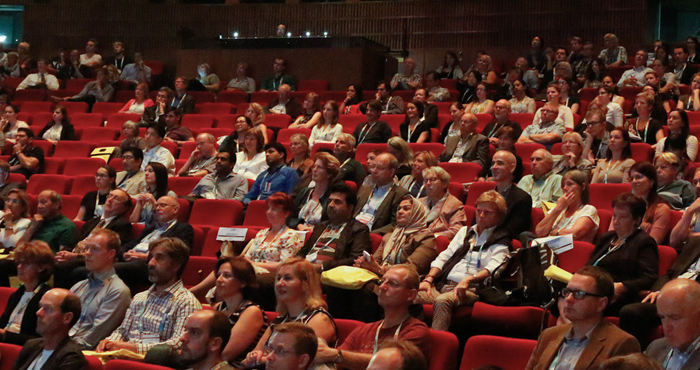
This issue was central to the scientific and clinical exchange associated with the INS 2018 meeting in Prague. For Australian practitioners, the same questions arise in workers’ compensation matters in Melbourne, motor accident claims in Sydney, NDIS-related disputes and assessments involving culturally diverse communities. A fair opinion must connect neuroscience with humane, legally defensible care.
A score is evidence, not a verdict
Neuropsychological tests convert complex behaviour into scaled scores, percentile ranks and diagnostic patterns. Those measurements can identify attention, memory, executive or language difficulties, but they are not direct readings of brain damage. Fatigue, pain, depression, poor sleep, medication, hearing loss and unfamiliarity with testing can all reduce performance.
The reverse problem also occurs. A person may achieve average results in a quiet consulting room while failing to manage appointments, finances or workplace demands in daily life. Structured tasks provide valuable information, but real-world cognition involves distractions, competing priorities and emotional pressure. The gap between test performance and functional capacity deserves careful explanation rather than automatic dismissal.
Complaints need a broader clinical history
Subjective cognitive complaints should be examined against premorbid ability, education, occupation, medical records and reports from family or colleagues. Someone who previously managed a busy accountancy practice may notice subtle inefficiencies that standard scores classify as average. Conversely, severe worry about memory can occur without measurable impairment, particularly during prolonged stress or mood disturbance.
Cultural and linguistic factors also influence results. An Aboriginal or Torres Strait Islander client may have had interrupted schooling or limited access to formal education, while a recent migrant may be completing tests in a second language. Australian clinicians must consider interpreter use, culturally safe interviewing and the suitability of normative data. A low score can reflect test familiarity or language demands rather than neurological disease.
Performance validity requires balanced interpretation
Validity assessment is often discussed in adversarial language, especially in personal injury litigation. That approach can obscure the difference between deliberate exaggeration, inconsistent effort, cognitive fluctuation and genuine distress. Performance validity tests can identify patterns that require interpretation, but a failed measure should prompt a broader review of the assessment conditions and clinical picture.
Examiners should report convergence across symptom validity measures, embedded indicators, behavioural observations and collateral information. They should also state what the data cannot establish. A person may show unreliable performance on some tasks while still having authentic pain, trauma or functional restrictions. Clear limits are more credible than a sweeping claim that all complaints are either proven or fabricated.
Diagnosis and causation are separate questions
A test pattern may be consistent with a condition without proving that a particular accident caused it. Medico-legal reasoning must distinguish diagnosis, impairment, functional impact, causation and prognosis. Pre-existing attention difficulties, vascular risks, alcohol use, sleep apnoea or developmental factors may contribute to current performance without negating the effects of an injury.
Behavioural change also requires diagnostic care. In a claim involving disinhibition, apathy or loss of empathy, clinicians should recognise that behavioural variant signs can occur in frontotemporal dementia, but similar features may arise from depression, acquired brain injury, medication or environmental stress. Longitudinal records and informant accounts are often more informative than one examination.
Functional evidence strengthens the opinion
Legal decision-makers need practical answers: Can the person return to a particular job, manage money, consent to treatment or live independently? Translating cognitive findings into these questions requires task analysis. A mild processing-speed reduction may have little effect on a familiar role but create safety risks for a truck driver or emergency worker. Executive dysfunction may be more consequential for a sole trader responsible for invoices and tax obligations than for someone with structured workplace support.
The local setting matters. Reports should reflect Australian licensing expectations, state-based workers’ compensation schemes and the difference between an NDIS support need and compensable injury. They should explain whether recommended rehabilitation is available through the relevant insurer or public system, rather than treating abstract test scores as a complete forecast. Recovery planning can also benefit from ordinary routines and restorative environments; discussion of Prague green spaces illustrates how surroundings may support wellbeing without being mistaken for a clinical treatment.
A defensible assessment is therefore transparent about uncertainty. It weighs quantified results with lived experience, collateral evidence and cultural context, giving each source its proper role. Numbers help describe cognition, but they do not independently determine credibility, disability, causation or a person’s future.
General Information
Important information about the meetingIndustry
Support and exhibition opportunitiesCzech Republic
Beautiful country situated in the very heart of EuropeContact
How can we help you?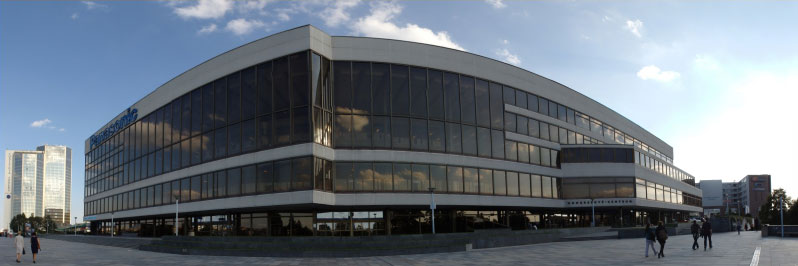
Prague Congress Centre (KCP)
5.května 65140 21 Prague 4
Czech Republic
Phone: +420 261 171 111
Website: www.kcp.cz