



Social cognition deficits in traumatic brain injury
Traumatic brain injury can alter how a person reads faces, interprets tone, responds to social cues and understands another person’s point of view. These changes may be subtle after a mild injury, yet they can disrupt relationships, employment and community participation just as seriously as memory or attention problems.
For Australian clinicians and families, the effects can appear in very practical settings: returning to work in Melbourne, managing a busy commute in Sydney, participating in an NDIS planning meeting or reconnecting with relatives in a regional town. Understanding the social and cultural context is essential when translating neuropsychological research into humane care.
Why social understanding changes after injury
Social cognition relies on several connected abilities, including emotion recognition, perspective-taking, empathy, theory of mind and the regulation of behaviour. Damage to frontal and temporal networks, along with slower processing speed or reduced executive control, can make ordinary conversations harder to navigate. A person may recognise words but miss sarcasm, indirect requests or the emotional meaning behind a pause.
The injury may also reduce self-monitoring. Someone who was previously tactful might interrupt, make blunt comments or fail to notice that another person is uncomfortable. These behaviours are often interpreted as rudeness or a lack of concern, when the underlying problem may involve impaired inference, reduced inhibition or difficulty updating social information.
How symptoms appear in daily life
A person with impaired emotion perception may confuse fear with anger or fail to recognise a friend’s disappointment. Difficulties with mental-state reasoning can lead to literal interpretations, mistaken assumptions about motives and conflict over apparently minor events. Fatigue, headaches, noise and crowded environments can intensify these problems, especially later in the day.
Workplace consequences are common. An employee may struggle with team meetings, feedback from a supervisor or the unwritten rules of a customer-facing role. In Australian workplaces, direct communication styles vary between industries and communities, so assessment should consider the person’s previous role, cultural background and usual communication norms rather than applying a single definition of appropriate behaviour.
Measuring real-world social cognition
A sound assessment combines formal testing with interviews, observation and reports from people who know the individual well. Tasks involving facial expressions, stories, conversational judgement and interpretation of sarcasm can identify specific weaknesses, but scores need to be linked to real situations. A family member’s account of supermarket trips or a colleague’s description of team interactions may reveal problems that a quiet clinic room does not.
| Area of ability | Possible difficulty | Useful assessment focus |
|---|---|---|
| Emotion recognition | Misreading anger, fear or sadness | Facial expressions, voice tone and body language |
| Perspective-taking | Assuming others share the same knowledge | Short stories and mental-state tasks |
| Social judgement | Missing risks or unwritten rules | Workplace and community scenarios |
| Inhibition | Interrupting or making offensive remarks | Conversation observation and self-monitoring |
| Adaptation | Failing to change behaviour after feedback | Role-play, carer reports and functional review |
Cultural and language factors must be considered carefully. A test developed overseas may use unfamiliar humour, gestures or social expectations. In Australia, culturally safe practice also means asking how Aboriginal and Torres Strait Islander clients describe relationships, community obligations and recovery, and involving appropriate family or community supports where consent allows.
Treatment that carries into relationships
Rehabilitation is most effective when it teaches strategies for recognisable situations rather than relying on abstract explanations. Therapists may use video feedback, role-play, emotion labelling, perspective-taking exercises and structured conversation practice. A person can learn to pause before responding, check another person’s meaning and use a prepared phrase when social information is unclear.
Family education is equally important. Relatives can describe the behaviour without moral judgement, give one piece of feedback at a time and agree on discreet prompts. Couples may benefit from rehearsing difficult conversations, while employers can provide written instructions, predictable routines and quieter spaces. These adjustments support participation without treating the person as incapable.
Australian research and clinical priorities
Australian services must often balance specialist care with distance, cost and uneven access. Telehealth can support follow-up for people living outside Brisbane, Perth or Adelaide, although video sessions may make subtle facial and conversational cues harder to assess. Public hospitals, private neuropsychology practices, rehabilitation providers and NDIS-funded supports may each hold part of the care pathway, making communication between services particularly important.
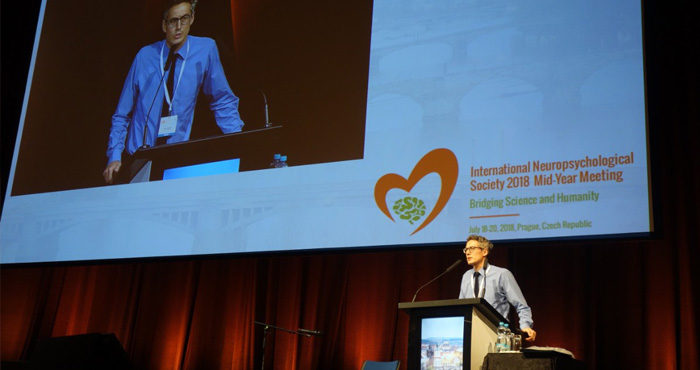
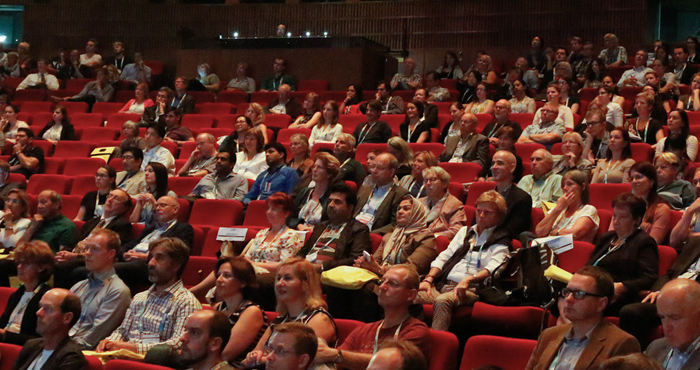
The 2018 International Neuropsychological Society meeting in Prague highlighted the value of connecting neuroscience with compassionate clinical practice; its background on the Czech Republic places that discussion in the setting of the conference. For Australian practice, the same principle means combining laboratory findings with lived experience, culturally responsive assessment and outcomes that matter to the person, such as keeping a job, attending a footy club or maintaining family trust.
Future work should develop assessment tools that reflect Australian languages, communities and everyday environments. Research involving metropolitan and rural populations, culturally diverse groups and people with mild as well as severe injury can make social rehabilitation more precise. Progress will be measured through safer relationships and stronger participation, not simply improved scores on a laboratory task.
General Information
Important information about the meetingIndustry
Support and exhibition opportunitiesCzech Republic
Beautiful country situated in the very heart of EuropeContact
How can we help you?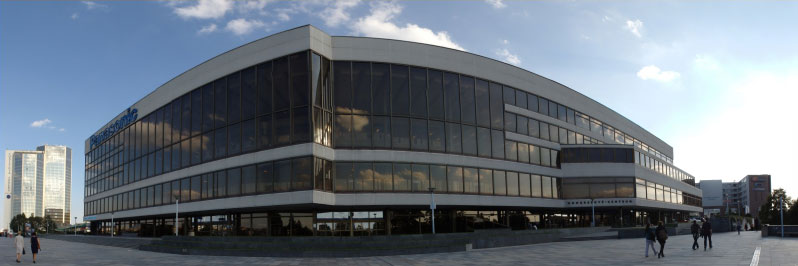
Prague Congress Centre (KCP)
5.května 65140 21 Prague 4
Czech Republic
Phone: +420 261 171 111
Website: www.kcp.cz