




Ethical Diagnosis of Neurocognitive Disorders
Diagnosing a neurocognitive disorder carries consequences for identity, independence, driving, employment, relationships and access to support. An ethical assessment therefore requires more than a score on a cognitive screening tool. It must connect evidence with the person’s history, values, culture and everyday functioning.
The central task is to distinguish genuine cognitive decline from conditions that can resemble it, including depression, delirium, sleep disorders, medication effects, sensory impairment and limited education. Clinicians must also recognise that diagnostic certainty often develops gradually rather than arriving after one appointment.
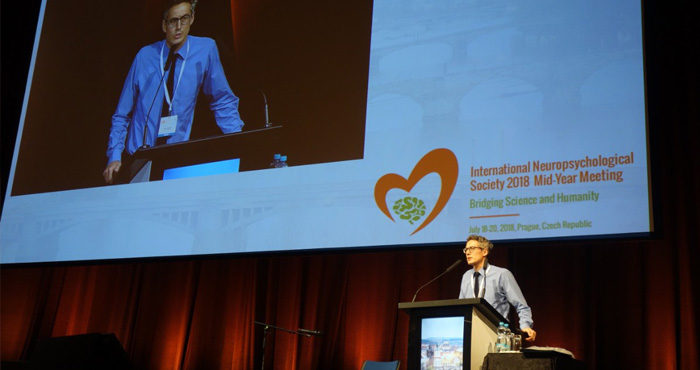
The INS 2018 programme reflected the field’s interest in linking neuroscience, clinical practice and humane care. Those principles remain relevant for Australian psychologists, neuropsychologists, geriatricians, neurologists and allied health teams working across metropolitan and regional settings.
Australian practice adds practical considerations. Medicare pathways, private assessment fees, long waitlists, aged-care services and the National Disability Insurance Scheme can all influence how a diagnosis is understood. Ethical reasoning must prevent funding requirements from becoming the main driver of clinical conclusions.
Consent Begins With Clear Explanations
Valid consent involves explaining what the assessment can and cannot establish. A person should understand the purpose of testing, who will receive the report, possible effects on driving or legal capacity, and whether results may be shared with family members or government agencies.
Capacity to consent is decision-specific. Someone may be able to agree to memory testing while needing support to understand a complex financial recommendation. When a substitute decision-maker is involved, the clinician should still seek the person’s preferences and communicate directly in an accessible way.
Separate Symptoms From Diagnosis
Memory complaints are clinically important but do not automatically indicate dementia or mild cognitive impairment. Ethical diagnosis requires corroborating information from functional history, medical records, medication review and, where appropriate, a reliable informant.
Delirium, vascular disease, Parkinson’s disease, traumatic brain injury and mood disorders may produce overlapping profiles. A premature label can cause distress, inappropriate treatment or loss of autonomy, while an overly cautious approach can delay useful support and risk management.
Use Tests Fairly
Standardised cognitive tests provide valuable comparisons, yet scores may be affected by language, literacy, schooling, hearing, vision, cultural experience and test familiarity. Interpreters should be appropriately trained, and translated instruments should not be treated as automatically equivalent to validated local norms.
For Aboriginal and Torres Strait Islander clients, culturally safe assessment may require consultation, flexible communication and attention to the effects of educational inequity and remoteness. Ethical practice avoids interpreting unfamiliarity with testing conventions as evidence of pathological decline.
Weigh Evidence Without Overclaiming
A diagnosis should reflect converging evidence rather than a single low score or striking brain scan. Clinicians should document the pattern of strengths and weaknesses, functional consequences, alternative explanations and the limits of available data.
Uncertainty is not a professional failure. Terms such as “provisional,” “possible” or “mild impairment with monitoring recommended” can be more accurate than false precision. Review appointments are especially important when symptoms are changing or collateral information is incomplete.
Communicate Results With Care
Feedback should be paced according to the person’s needs and delivered in plain English. Technical descriptions of executive dysfunction or visuospatial impairment should be translated into practical examples, such as difficulty managing medications, navigating unfamiliar places or handling online banking.
Family involvement can improve safety, but confidentiality still matters. A client may wish to share only selected information. The clinician should discuss driving, work, advance care planning and risks sensitively, avoiding assumptions that a diagnosis immediately removes legal rights or decision-making ability.
Apply Australian Context Responsibly
In Sydney, Melbourne and Brisbane, specialist services may be accessible but expensive, while people in rural Western Australia, the Northern Territory or regional Queensland may face travel burdens and limited follow-up. Telehealth can improve access, although privacy, internet reliability and the suitability of remote testing require careful consideration.
The Australian private neuropsychology market often involves substantial out-of-pocket costs, and reports may be sought for aged care, compensation, guardianship or NDIS documentation. Clinicians should clarify their role, identify conflicts of interest and ensure that a purchaser’s desired outcome does not distort the assessment.
| Clinical approach | Ethical strength | Main caution |
|---|---|---|
| Brief screening alone | Efficient initial triage | Cannot establish cause or functional impact |
| Comprehensive neuropsychological assessment | Integrates cognitive, emotional and functional evidence | Requires time, expertise and culturally suitable tools |
| Informant-based history | Reveals everyday change | Informant bias or limited contact may affect accuracy |
| Biomarker or imaging evidence | Can support differential diagnosis | Must not replace clinical context or informed discussion |
| Serial review | Tracks change and reduces premature labelling | Follow-up may be difficult in remote or underfunded services |
Build Safeguards Into Routine Practice
Ethical decision-making is strongest when it is documented rather than left to intuition. A defensible report records consent, referral questions, test limitations, cultural and linguistic factors, collateral evidence, diagnostic confidence and agreed next steps.
Practical safeguards include:
- Use person-first, non-stigmatising language in reports and conversations.
- Check hearing, vision, sleep, mood, medication and delirium before interpreting scores.
- Seek culturally relevant history and appropriate collateral information.
- Explain uncertainty, confidentiality and possible consequences before testing.
- Offer accessible feedback, written resources and referrals for ongoing support.
- Review diagnoses when new medical, functional or contextual evidence emerges.
Ethical neurocognitive assessment protects the person from both overdiagnosis and neglect. It combines scientific discipline with humility, cultural safety and respect for autonomy, so that a diagnostic opinion supports care rather than defining the person’s future.
General Information
Important information about the meetingIndustry
Support and exhibition opportunitiesCzech Republic
Beautiful country situated in the very heart of EuropeContact
How can we help you?
Prague Congress Centre (KCP)
5.května 65140 21 Prague 4
Czech Republic
Phone: +420 261 171 111
Website: www.kcp.cz