




Diagnosing dementia in people with intellectual disabilities
Dementia can be difficult to recognise in adults with intellectual disability because changes may be gradual, communication can be limited, and lifelong support needs may resemble cognitive decline. A person who has always needed help with money, travel or personal care may show subtle losses that are missed by busy services.
Diagnosing dementia in people with intellectual disabilities requires a careful comparison with the person’s established abilities. Family members, support workers and familiar clinicians often notice changes before a formal test does. Their observations should be treated as valuable clinical evidence rather than informal background information.
The assessment should consider memory, language, executive functioning, behaviour, mood, sleep, mobility and everyday independence. Hearing or vision loss, epilepsy, thyroid disease, medication effects, depression, pain and social disruption can produce symptoms that look like neurodegeneration.
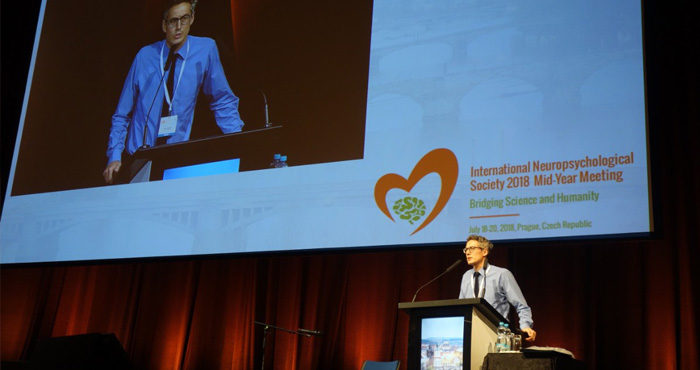
The field’s emphasis on culturally responsive, humane care was reflected in the INS 2018 meeting site, which connected neuroscience and clinical practice. That same balance is essential when assessing people across Australia, from metropolitan clinics in Sydney and Melbourne to smaller regional and remote communities.
Establishing a reliable baseline
A diagnosis depends on identifying meaningful change from the person’s previous level of functioning. Reports should describe what the person could do six months, two years or ten years earlier, using practical examples such as preparing breakfast, following a familiar bus route or participating in a workplace routine.
For Australians receiving support through the NDIS, service plans and progress notes may contain useful evidence about changing independence. These records should be interpreted alongside family accounts and direct observation, rather than treated as a substitute for clinical assessment. In residential aged care, staff handovers and behaviour charts can reveal patterns that are not visible during a short appointment.
Baseline information must also account for developmental level and communication style. Someone with Down syndrome, for example, may have a higher risk of Alzheimer’s disease but may show early decline through reduced conversational ability, changes in gait, loss of initiative or altered personality rather than a clear complaint of forgetfulness.
Adapting cognitive and functional assessment
Standard dementia screens can underestimate or overestimate ability in people with intellectual disability. Reading demands, unfamiliar instructions, time pressure and anxiety may distort results. Assessment should use accessible language, demonstration, repetition and breaks, with interpretation based on change over time rather than a single score.
Functional assessment is often especially informative. Clinicians can examine familiar tasks such as making a cup of tea, sorting medication with supervision, using a phone or recognising regular support staff. Video examples, carer-rated measures and repeated assessments may provide a more dependable picture than conventional paper-and-pencil testing alone.
Cultural and linguistic factors matter across Australia’s diverse population. An Aboriginal or Torres Strait Islander person may have experienced schooling, services and communication practices that differ from the assumptions built into imported tests. Assessment should involve culturally safe practice, appropriate interpreters and consultation with trusted community or family representatives where consent allows.
Separating dementia from other causes
A new decline should prompt a broad medical review. Medication burden, untreated pain, constipation, sleep apnoea, sensory impairment, seizures and cardiovascular disease can affect thinking and behaviour. Delirium requires urgent attention, particularly when confusion develops suddenly or fluctuates across the day.
Mental health conditions can also overlap with dementia. Withdrawal, loss of skills and reduced speech may reflect depression, anxiety or grief, while agitation can be a response to an overstimulating environment. Reviewing recent changes in housing, staffing, relationships and daily routine helps prevent diagnostic overshadowing.
The pattern of decline can offer useful clues, although it rarely establishes a cause by itself. Alzheimer’s disease, vascular cognitive impairment, Lewy body disease and frontotemporal syndromes may present differently. A neurologist, psychiatrist, geriatrician, neuropsychologist and speech pathologist may each contribute to a balanced formulation.
Involving supporters and protecting rights
The person should remain central to the assessment and care plan. Clinicians can offer visual choices, extra processing time and plain-language explanations, while checking understanding rather than assuming incapacity. Supported decision-making is preferable to automatically transferring control to family members or service providers.
Consent, privacy and substitute decision-making requirements vary by circumstance and jurisdiction. Families and paid carers can provide essential information, but their views should not erase the person’s preferences. This is particularly important when decisions involve housing, restrictive practices, medical treatment or changes to NDIS supports.
A diagnosis should lead to practical planning, not simply a label. Families may need information about driving, medication supervision, communication approaches, exercise, sleep, falls prevention and future health decisions. Australian services may also need to coordinate between GPs, disability providers, hospitals, aged-care organisations and local area coordinators.
Turning diagnosis into useful care
Continuing education helps clinicians refine assessment methods and reduce avoidable barriers. The CE workshop programme illustrates the value of structured professional learning for practitioners working across neuropsychology and clinical care.
A clear report should explain the evidence for decline, the likely causes, uncertainties and recommended supports. It should describe abilities as well as impairments, identify environmental adjustments and specify when reassessment is needed. Recommendations are more useful when they name who will do what, such as a GP reviewing anticholinergic medication or a support team introducing a consistent visual routine.
Practical information to collect
- A timeline of changes in skills, behaviour, health and daily participation
- Examples from family, paid carers, employment services and residential staff
- Current medicines, sensory status, sleep quality, seizures and medical conditions
Care priorities after assessment
- Use familiar routines, simple communication and predictable environments
- Review NDIS, Medicare, aged-care and allied-health supports together
- Monitor safety, nutrition, mobility, distress and changing decision-making needs
Early recognition can improve comfort, preserve participation and support better planning. In Australia, effective dementia care depends on combining sound neuropsychology with accessible services, cultural humility and close attention to the person’s ordinary life.
General Information
Important information about the meetingIndustry
Support and exhibition opportunitiesCzech Republic
Beautiful country situated in the very heart of EuropeContact
How can we help you?
Prague Congress Centre (KCP)
5.května 65140 21 Prague 4
Czech Republic
Phone: +420 261 171 111
Website: www.kcp.cz