



Cross-cultural pragmatic assessment in neuropsychology
Pragmatic assessment examines how people use and understand language in real social situations. It covers turn-taking, inference, humour, politeness, storytelling, topic shifts and the interpretation of indirect requests. In neuropsychology, these skills can reveal the effects of acquired brain injury, dementia, autism, developmental conditions and executive dysfunction, yet test performance is always shaped by culture and context.
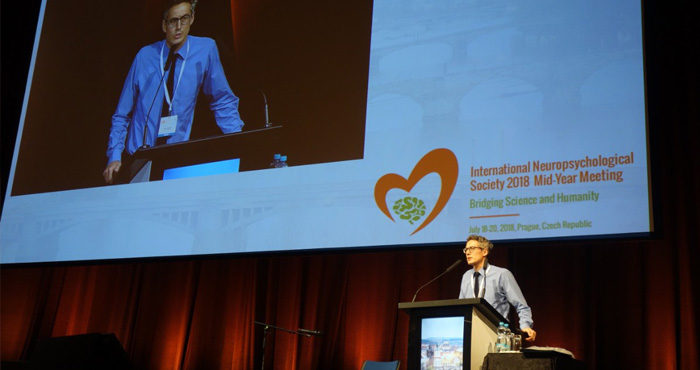
The challenge is especially relevant in Australia, where clinicians work across metropolitan, regional and remote communities and with people who speak hundreds of languages. A fair assessment must separate a genuine communication difficulty from unfamiliarity with the examiner’s language, conversational conventions or social expectations. The work discussed around the INS 2018 meeting in Prague remains useful because it connected neuroscience with humane, culturally responsive clinical practice.
Why pragmatic skills are culturally shaped
Pragmatic behaviour is learned through participation in a community. Expectations about eye contact, silence, personal space, directness and the acceptable length of an answer vary between families and cultural groups. A response judged evasive in one setting may represent respect, careful listening or appropriate restraint in another.
Idioms and humour create similar problems. An Australian client may understand “Give us a yell” as an invitation to call, while a newly arrived speaker may interpret it literally. Likewise, conversational markers such as “yeah, nah” can confuse an assessor who treats them as a simple contradiction. These examples show why pragmatic language assessment needs cultural interpretation rather than a rigid score alone.
Where conventional tests fall short
Many standardised measures rely on scenarios developed in English-speaking, middle-class settings. They may ask a person to explain sarcasm, identify a speaker’s intention or complete a social story. Such tasks can be valuable, but poor performance may reflect limited exposure to local references, second-language processing, education, hearing loss or test anxiety.
Normative data also matter. A score derived from one population should not automatically be applied to Aboriginal and Torres Strait Islander clients, bilingual Australians or people from rural communities. In some Aboriginal English contexts, narrative structure, eye gaze and the use of silence follow culturally meaningful patterns. Treating these differences as deficits risks misdiagnosis and weakens trust.
Building a culturally responsive assessment
A strong evaluation begins with a detailed interview covering language history, migration, schooling, family communication and the client’s usual settings. Clinicians should record which language is used with relatives, at work and in community life. A qualified interpreter may be essential, although family members should not be expected to translate sensitive clinical material.
The assessment can combine formal tests with observation, discourse sampling and reports from people who know the client well. Role-play based on everyday Australian situations may be useful, but the clinician should explain the context and check whether the scenario is familiar. Registration information for the Prague meeting is preserved through the meeting registration page, reflecting the broader value of careful preparation before professional participation.
Improving clinical interpretation
Results should be triangulated rather than treated as a single definitive measure. A clinician might compare performance across structured tasks, spontaneous conversation, workplace reports and communication with family. Differences between these settings can indicate fatigue, processing load, anxiety or an environment that places unfamiliar demands on the person.
Functional consequences are often more informative than an isolated percentile. Can the client follow a fast multidisciplinary meeting, repair a misunderstanding, recognise an implied request or maintain a topic during a medical appointment? In Australia, these questions may arise in NDIS planning, rehabilitation after stroke or cognitive assessment through a public hospital. The report should describe observable strengths and barriers in plain language.
Working across Australian communities
Australian services must account for distance and unequal access. A client in regional Queensland or the Northern Territory may travel hours for an assessment, while telehealth can introduce its own problems through poor connectivity, limited privacy or reduced access to visual cues. Flexible scheduling and collaboration with local health workers can make the process more practical.
Cultural safety also requires more than translating forms. Clinicians need to understand local community protocols and avoid assuming that metropolitan norms apply everywhere. Consultation with Aboriginal health services, multicultural workers and speech pathologists can support respectful interpretation. Even everyday expressions such as “no worries” or “how are you going?” may carry different meanings depending on relationship, setting and tone.
From assessment to useful intervention
Intervention should target communication goals that matter to the person and their community. Therapy may involve practising clarification, sequencing a story, reading workplace implications or managing conversational breakdown after brain injury. It can also coach communication partners, who often have greater influence on daily participation than repeated drills in a clinic.
A culturally appropriate plan allows several ways to demonstrate competence. Visual supports, bilingual materials, recorded narratives and familiar community activities may reveal abilities that a formal English test misses. Progress can then be reviewed through meaningful outcomes, such as taking part in a family discussion, using public transport independently or contributing to a team meeting.
Cross-cultural pragmatic assessment is therefore a clinical reasoning task as much as a testing exercise. Neuropsychologists, speech pathologists and interpreters need to consider culture, language, cognition and context together. That approach produces safer diagnoses and recommendations that fit the varied realities of Australian life.
General Information
Important information about the meetingIndustry
Support and exhibition opportunitiesCzech Republic
Beautiful country situated in the very heart of EuropeContact
How can we help you?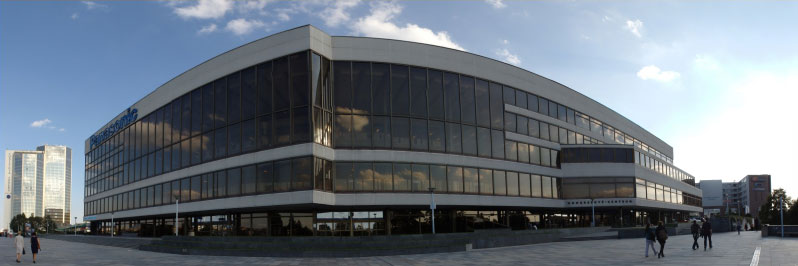
Prague Congress Centre (KCP)
5.května 65140 21 Prague 4
Czech Republic
Phone: +420 261 171 111
Website: www.kcp.cz