




Virtual reality and executive recovery after stroke
Virtual reality (VR) offers a controlled way to assess executive function after stroke while placing patients in realistic, goal-directed situations. Instead of relying only on paper tasks, clinicians can observe how a person plans, switches attention, inhibits responses and manages distractions in a simulated kitchen, shopping centre or street-crossing environment.
The approach is especially relevant to Australian neuropsychology, where rehabilitation may involve metropolitan hospitals, regional services and home-based care. A well-designed assessment should connect neuroscience with everyday independence, cultural safety and the practical demands of returning to family life, study or employment.
| Assessment approach | Strengths | Limitations |
|---|---|---|
| Paper-and-pencil tests | Standardised, affordable and familiar | Limited real-world context |
| Desktop computer tasks | Precise response recording and flexible difficulty | May not reflect movement or environmental distraction |
| Immersive VR | Ecological tasks, rich behavioural data and adjustable scenarios | Motion sickness, cost and accessibility considerations |
| Real-world observation | High functional relevance | Time-consuming and harder to standardise |
Why executive function needs a realistic setting
Executive abilities include working memory, planning, cognitive flexibility, self-monitoring and inhibition. After a stroke, a person may perform adequately on a quiet test yet struggle when a phone rings, traffic changes or several errands compete for attention. VR can introduce these demands in a repeatable and measurable format.
A simulated supermarket, for example, can require the participant to remember a list, select items within a budget and ignore irrelevant promotions. The clinician can record route efficiency, rule violations, response latency and requests for assistance, creating a richer picture of functional cognition than accuracy alone.
Designing tasks around everyday goals
Assessment scenarios should begin with the patient’s priorities. Someone preparing to resume work in Sydney may need to manage interruptions and competing deadlines, while a person in regional Queensland may be more concerned with driving, medication routines or navigating long distances between services. The virtual environment should reflect these meaningful goals rather than simply showcase technical features.
Tasks can be graded by changing the number of distractions, time pressure, instructions or unexpected events. A clinician might first ask a participant to complete a single errand, then add a delayed bus, a changed shopping list or a low-battery alert. This supports sensitive measurement of improvement without making the activity unnecessarily frustrating.
Measuring behaviour beyond a score
VR systems can capture head and hand movements, gaze direction, pauses, errors and recovery after mistakes. These measures may reveal whether a person notices a problem, shifts strategy or persists with an ineffective plan. Such observations are valuable when conventional test scores appear broadly normal but relatives report difficulties at home.
Interpretation still requires clinical judgement. Poor performance may reflect aphasia, visual field loss, hemiparesis, fatigue, anxiety or unfamiliarity with the headset rather than executive dysfunction. A short practice session, accessible controls and breaks are essential, particularly for older adults or patients with vestibular symptoms.
Cultural and clinical relevance
A virtual task should avoid assuming that every patient shops, travels or manages money in the same way. Language, health literacy, family roles and cultural expectations can influence performance. In Australia, including an Acknowledgment of Country in clinical events and respecting Aboriginal and Torres Strait Islander perspectives can support a broader approach to culturally safe assessment.
Clinicians should explain what the simulation measures, how data are stored and whether recordings leave the clinic. Consent needs to cover possible cybersickness and the use of behavioural data. Family members or support workers may also help clarify how the simulated performance relates to routines at home, provided the patient’s privacy and autonomy remain central.
Connecting research with rehabilitation
The strongest programmes link assessment findings directly to intervention. If a patient loses track of steps in a cooking simulation, therapy might practise sequencing with visual prompts. If they miss hazards while navigating, treatment can target scanning, divided attention and self-monitoring before progressing to community mobility.
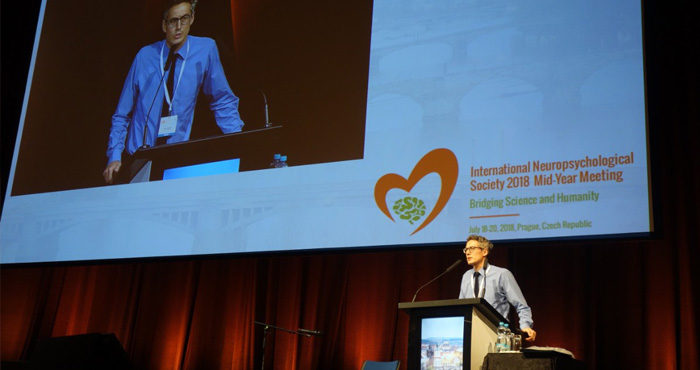
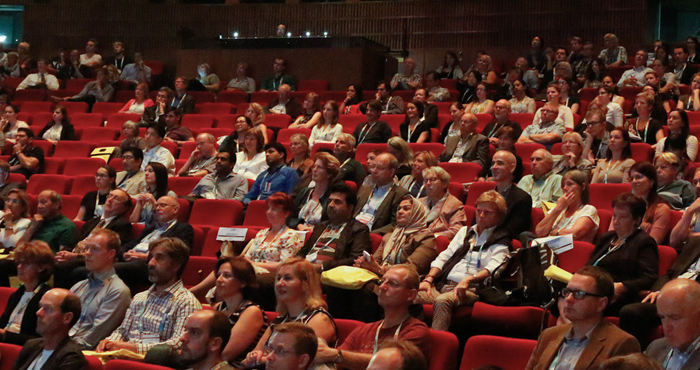
Conference programmes in neuropsychology often place clinical practice beside neuroscience, technology and patient-centred care; the programme tracks from the 2018 International Neuropsychological Society meeting illustrate that broad, integrated perspective. VR research benefits from the same connection between laboratory measures and practical rehabilitation decisions.
Making VR suitable for Australian services
Cost and logistics matter in the Australian market. A clinic may use a consumer headset such as a Meta Quest device with clinical software, while a major service in Melbourne or Brisbane may have access to motion capture and dedicated rehabilitation staff. Procurement should consider sanitation, warranty support, software licensing, internet security and replacement equipment.
Implementation also needs to fit local pathways, including public hospitals, private practices, community rehabilitation and NDIS-funded supports. Clinicians should use validated outcome measures alongside VR rather than treating immersion as evidence of effectiveness by itself. When technology is comfortable, culturally responsive and tied to real participation goals, it can make executive assessment more functional without losing clinical rigour.
General Information
Important information about the meetingIndustry
Support and exhibition opportunitiesCzech Republic
Beautiful country situated in the very heart of EuropeContact
How can we help you?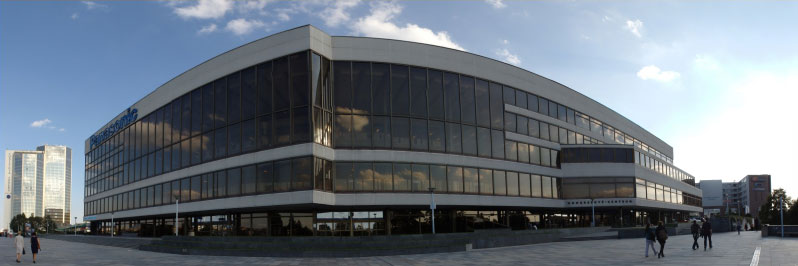
Prague Congress Centre (KCP)
5.května 65140 21 Prague 4
Czech Republic
Phone: +420 261 171 111
Website: www.kcp.cz