




Understanding Body Integrity Dysphoria Through Neuropsychology
Body integrity dysphoria (BID) describes a persistent sense that a healthy limb or bodily function does not belong to the person’s body map. Some people experience a strong wish for amputation, paralysis, or another major physical change. The distress can be profound, even when there is no obvious damage to the body.
Neuropsychology offers a way to examine this experience without reducing it to a simple preference or assuming that it has one cause. Research has considered multisensory integration, body representation, attention, emotional regulation, and the brain networks involved in ownership and agency. A humane assessment also recognises the person’s history, language, culture, and daily environment.
For Australian clinicians, the topic sits within practical systems shaped by general practitioners, public hospitals, private psychology, telehealth, and the National Disability Insurance Scheme. Someone living in inner Melbourne may have very different access to specialist care from a person in regional Queensland, Western Australia, or the Northern Territory. These realities matter when translating scientific findings into safe clinical practice.
The Body Schema And Sense Of Ownership
The brain maintains several overlapping representations of the body. The body schema supports movement and posture, while the body image involves conscious perception, emotional meaning, and personal identity. BID may involve a mismatch between these representations and the physical body, producing a persistent feeling that a particular limb is incongruent or intrusive.
This experience should be distinguished from body dysmorphic concerns, psychosis, deliberate self-harm, and gender dysphoria, although symptoms can coexist. A careful clinician asks how the sensation began, whether it is stable or episodic, and whether it concerns appearance, function, ownership, or identity. Clear language helps avoid dismissing the person or forcing the experience into an unsuitable diagnostic category.
Brain Networks And Sensory Integration
Studies of body integrity concerns have explored the right parietal regions, premotor areas, and networks involved in proprioception and tactile processing. These systems help combine visual, vestibular, and bodily information into a coherent sense of self. A disruption in that integration may help explain why a physically intact limb can feel neurologically “wrong”.
Neuroimaging findings remain informative rather than definitive. Individual scans cannot establish a diagnosis, predict behaviour, or determine whether an irreversible intervention is appropriate. Neuropsychological formulation is strongest when brain findings are combined with developmental history, functional assessment, mental-state examination, and the person’s account of distress.
Assessment In Clinical Settings
Assessment should explore cognition, mood, impulse control, trauma history, obsessive features, sensory experiences, and the practical consequences of the bodily incongruence. Clinicians should assess suicide risk and the risk of unsafe self-directed procedures without treating every person with BID as dangerous. Privacy, respectful terminology, and enough time for disclosure are essential.
Useful areas to document include:
- The specific body part or function involved
- The onset, intensity, and persistence of the experience
- Triggers, relief strategies, and associated fantasies
- Effects on work, relationships, mobility, and safety
In Australia, a GP may be the first professional to hear about these concerns, while a neuropsychologist or psychiatrist may become involved later through a public referral or private practice. Waiting lists and travel from rural communities can make continuity difficult, so coordinated records and secure telehealth may be valuable when face-to-face specialist appointments are limited.
Ethical Questions And Humane Care
Treatment decisions raise difficult questions because the desired bodily change may be irreversible, while the distress can be long lasting and resistant to standard interventions. Ethical practice requires capacity assessment, informed consent, exploration of less invasive options, and attention to changing preferences. A clinician’s discomfort should not become a substitute for clinical reasoning.
Supportive care may include psychological therapy for distress, anxiety, depression, or compulsive behaviour; occupational strategies; peer support; and treatment of co-occurring conditions. The goal is not to argue a person out of their experience, nor to promise that a particular intervention will resolve it. Care should reduce harm while preserving dignity and autonomy.
Cultural And Social Contexts In Australia
Cultural background influences how people describe bodily experiences and whether they feel safe seeking help. Aboriginal and Torres Strait Islander clients may reasonably be cautious about institutions because of the history of medical control and ongoing inequities. Culturally safe practice involves listening, allowing appropriate support people, and recognising that Western diagnostic language may not capture every aspect of distress.
Access is also shaped by geography and cost. A person in Sydney or Brisbane may locate a specialist more easily than someone in the Pilbara or a remote community, while private assessment fees can be difficult to manage. NDIS funding may assist with functional disability supports in some circumstances, but it does not automatically fund every form of diagnosis or treatment, and eligibility should never be assumed.
From Conference Science To Clinical Practice
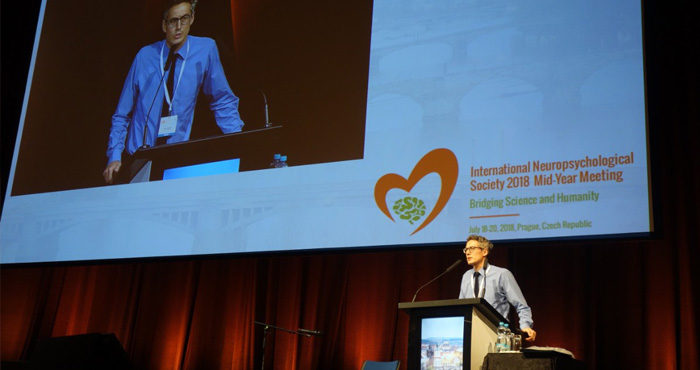
The 2018 International Neuropsychological Society meeting in Prague emphasised connections between neuroscience, clinical care, and cultural understanding. Those principles remain relevant when clinicians interpret research on body ownership and bodily self-awareness. Conference materials, including practical venue information such as Hotel Ankora details, reflect the meeting’s broader focus on making specialist knowledge accessible across professional settings.
For Australian services, translation means building referral pathways between GPs, psychiatrists, neuropsychologists, occupational therapists, surgeons, and peer-led organisations. Professional discussion should include the person’s everyday goals, whether that involves employment, family life, sport, or feeling safe in public. Plain Australian clinical language—“your GP”, “a referral”, and “what support is available locally”—can make a complex pathway less intimidating.
Indicators For A Balanced Formulation
A formulation should bring together neurological, psychological, social, and ethical evidence rather than rely on a single symptom or scan.
- A stable pattern of bodily incongruence
- Evidence of distress or functional impairment
- Capacity to understand risks and alternatives
- A plan for ongoing review and support
When reviewing a case, clinicians can also consider:
- Sensory processing and proprioceptive experiences
- Co-occurring depression, anxiety, or trauma
- Access barriers across metropolitan and remote Australia
- The person’s preferred language and support network
A measured approach recognises that BID is a serious neuropsychological and lived experience issue. Better research, respectful assessment, and locally realistic care can help professionals respond with scientific discipline while keeping the person’s dignity at the centre.
General Information
Important information about the meetingIndustry
Support and exhibition opportunitiesCzech Republic
Beautiful country situated in the very heart of EuropeContact
How can we help you?
Prague Congress Centre (KCP)
5.května 65140 21 Prague 4
Czech Republic
Phone: +420 261 171 111
Website: www.kcp.cz