




Menopause, Memory And Executive Function
The impact of menopause on memory and executive functions is increasingly recognised as a matter of brain health, quality of life and fair clinical care. During perimenopause and menopause, changing oestrogen levels may coincide with word-finding lapses, reduced concentration, slower mental processing and difficulty managing several tasks at once.
These experiences are often called “brain fog”, although that phrase can conceal several different influences. Sleep disruption, night sweats, anxiety, depression, migraine, medication effects and thyroid conditions can all affect cognition. A careful assessment is therefore more useful than assuming every memory change is an inevitable part of ageing.
What Changes During The Menopause Transition
Memory complaints commonly involve verbal retrieval, learning new information and sustaining attention. Someone may know a person’s name but need extra time to produce it, lose track during a meeting or forget why they entered a room. These moments can be unsettling, yet everyday forgetfulness does not automatically indicate dementia.
Executive functions include planning, inhibition, mental flexibility, prioritising and working memory. Hormonal fluctuation, fatigue and disrupted sleep can make these skills feel less reliable, particularly during demanding periods at work or home. Cognitive testing may show subtle changes, while daily functioning remains largely intact.
Why Hormones And Sleep Matter
Oestrogen interacts with brain systems involved in attention, memory formation and emotional regulation. Its decline is not the sole explanation for cognitive symptoms, but it may alter how the brain responds to stress and poor sleep. Hot flushes and night sweats can repeatedly interrupt deep sleep, leaving concentration weaker the next day.
Australia’s climate can add a practical burden. A hot summer night in Brisbane, Perth or Adelaide may intensify night sweats, while early starts and long commutes in Sydney or Melbourne can reduce opportunities for recovery. Regular movement, a cool bedroom, limited evening alcohol and a consistent sleep schedule may help, although persistent insomnia deserves clinical attention.
Assessment And Treatment Options
A GP can review the timing of symptoms, menstrual changes, mood, sleep, alcohol intake and medicines. Blood tests are not routinely needed to diagnose perimenopause in every person, particularly over the age of 45, but investigations may be appropriate when symptoms are unusual or another condition is suspected. Sudden neurological changes require urgent medical assessment.
Menopausal hormone therapy may improve vasomotor symptoms and sleep, which can indirectly support cognitive performance. It is not a general dementia-prevention treatment, and suitability depends on personal and family history, age, timing, formulation and risk factors. In Australia, prescriptions and costs are influenced by the Pharmaceutical Benefits Scheme, while products and safety information are regulated by the Therapeutic Goods Administration.
Cognitive Health In Everyday Australian Life
A practical approach combines symptom management with habits that support cardiovascular and brain health. Brisk walking, swimming, resistance training and social activity are accessible in many Australian communities, from coastal paths in Wollongong to local recreation centres in Canberra. Regular meals, adequate protein and limiting tobacco also matter.
The local menopause market includes prescription therapies, over-the-counter supplements, telehealth services and compounded products. “Natural” does not necessarily mean effective or risk-free, and compounded hormone preparations may not have the same evidence and quality assurance as approved products. Pharmacists can help check interactions, availability and PBS options, while an accredited practising dietitian may assist with nutrition concerns.
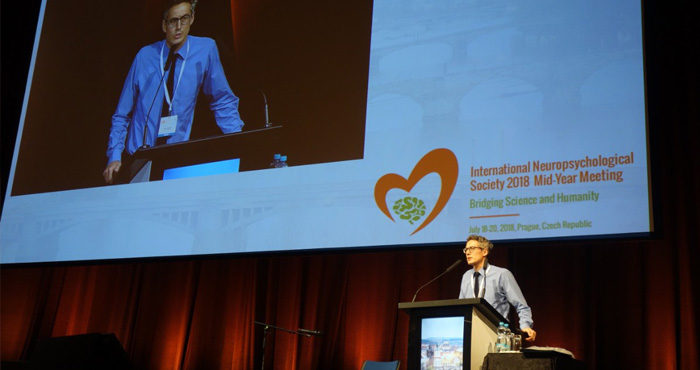
Research presented at professional meetings has helped connect neuroscience with humane patient care and cultural context; the conference archive offers a useful example of that broader neuropsychological perspective. Cognitive symptoms should be discussed without dismissing them as imagined or treating them as proof of irreversible decline.
Supporting Work, Relationships And Self-Management
Memory aids can reduce the load on executive functions. Calendar alerts, written task lists, labelled storage, one-task-at-a-time working and repeating important information aloud are simple strategies. Scheduling demanding work during the clearest part of the day may be particularly helpful for people whose sleep is interrupted.
Workplace support is also relevant. Under Australia’s Sex Discrimination Act 1984, unfair treatment related to sex, age or disability may raise legal concerns, while work health and safety duties require employers to manage relevant risks. Flexible hours, access to cool spaces, breathable uniforms and private discussion with a manager can make symptoms more manageable without exposing personal medical details.
Practical Ways To Protect Cognitive Performance
- Track sleep, hot flushes, mood, menstrual changes and memory difficulties for several weeks.
- Book a GP review when symptoms interfere with work, driving, relationships or daily organisation.
- Use calendars, reminders and written routines to reduce working-memory demands.
- Prioritise regular aerobic and resistance exercise, adapted to fitness and medical needs.
- Ask a pharmacist about prescription medicines, supplements, interactions and PBS availability.
- Seek psychological support for persistent anxiety, low mood or distress about cognitive changes.
- Request reasonable workplace adjustments where heat, fatigue or concentration problems affect safety or performance.
Cognitive symptoms deserve respectful assessment rather than shame. With appropriate medical care, sleep support, practical systems and a workplace culture that recognises menopause, many people can maintain confidence and effective executive functioning through the transition.
General Information
Important information about the meetingIndustry
Support and exhibition opportunitiesCzech Republic
Beautiful country situated in the very heart of EuropeContact
How can we help you?
Prague Congress Centre (KCP)
5.května 65140 21 Prague 4
Czech Republic
Phone: +420 261 171 111
Website: www.kcp.cz