



When culture shapes verbal fluency scores
The effect of cultural bias on verbal fluency measures is easy to underestimate. A task that asks someone to produce as many words as possible in a minute may appear language-neutral, yet performance can reflect education, bilingual experience, familiarity with testing conventions, migration history, and the cultural relevance of the word categories.
For Australian neuropsychologists, this issue matters across metropolitan clinics, rural services, public hospitals, aged-care settings, and Aboriginal and Torres Strait Islander communities. Verbal fluency results should contribute to a broader clinical picture rather than function as an isolated sign of cognitive impairment.
What verbal fluency tasks measure
In a phonemic fluency task, a person produces words beginning with a particular letter, such as F, A, or S. Semantic fluency usually requires words from a category, commonly animals, fruits, or supermarket items. Scores are based on the number of correct responses, with repetitions, rule violations, and switching patterns often recorded separately.
These tasks draw on executive control, lexical retrieval, processing speed, working memory, and self-monitoring. A low score may therefore arise from neurological change, but it can also reflect limited English vocabulary, reduced confidence, speech impairment, or unfamiliarity with rapid-fire questioning.
How cultural background alters performance
Category knowledge is shaped by daily life. An Australian participant who regularly shops at Woolworths or Coles may respond quickly to familiar food categories, while a newly arrived migrant may know the same concepts in another language. Someone from a remote community may have rich knowledge of local animals that is not captured by a narrow or urban-centred category set.
Letter-based tasks can also privilege particular spelling systems and educational histories. Australian English uses local vocabulary and pronunciation, while speakers may shift between Aboriginal English, migrant Englishes, Auslan-influenced communication, and standard clinical English. Words such as “ute”, “bush”, or “arvo” may be entirely natural in conversation but absent from an examiner’s assumptions about acceptable responses.
Bilingualism and language choice
Bilingual speakers do not necessarily have equal vocabulary access in every language. English may be the language of schooling and employment, while another language remains stronger for family relationships, cultural knowledge, or emotional expression. Testing only in English can therefore mistake language distribution for impaired retrieval.
An interpreter can support communication, but interpretation does not automatically standardise a fluency task. The translated letter may have very different word availability, and category boundaries may vary across cultures. Clinicians should document the language tested, years of education in that language, proficiency, acculturation, and whether the task was translated or adapted.
Australian clinical and cultural context
In Australia, neuropsychological assessment often occurs within multidisciplinary services funded through state health systems, private insurance, aged-care pathways, or the National Disability Insurance Scheme. Time pressure can encourage clinicians to rely heavily on familiar norm tables, even when those norms do not represent the person’s linguistic or cultural background.
Cultural safety requires more than adding a demographic label to a report. With Aboriginal and Torres Strait Islander clients, clinicians should consider community consultation, local language use, culturally appropriate engagement, and the effects of unequal access to schooling and healthcare. A culturally informed assessment may require flexible pacing, relationship-building, and careful interpretation of apparent non-compliance.
Better interpretation of scores
Normative data are useful when their sample resembles the person being assessed. Age, education, sex, and language are important variables, but they do not capture every influence on lexical retrieval. Migration, literacy, bilingualism, socioeconomic opportunity, and the cultural familiarity of categories may be equally important.
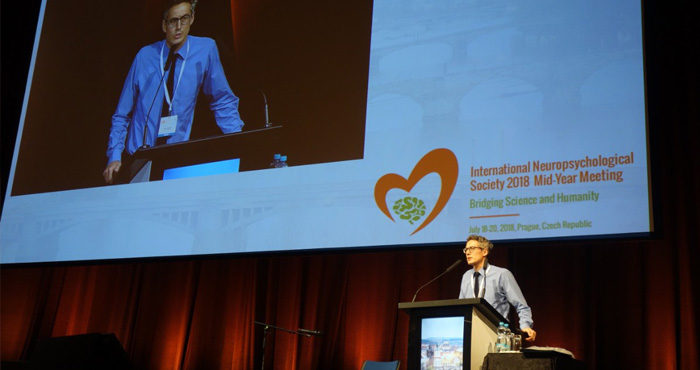
The wider conference context remains relevant: the INS 2018 meeting site reflected a neuropsychological interest in connecting scientific evidence with humane clinical care. That principle supports treating a fluency score as one observation within a history, interview, functional assessment, and pattern of performance across tasks.
Recommendations for Australian practice
A culturally responsive approach does not mean abandoning standardised testing. It means recording the conditions under which a score was obtained and avoiding diagnostic certainty when the measure has limited cultural validity.
Clinicians can strengthen interpretation by:
- Asking which language the person uses at home, work, school, and with close family.
- Recording literacy, education, migration history, and exposure to English-speaking environments.
- Checking whether category examples are familiar and culturally meaningful.
- Accepting dialectal vocabulary where it follows the task rules rather than correcting Australian or community language unnecessarily.
- Comparing fluency with naming, comprehension, memory, everyday functioning, and informant evidence.
- Consulting Aboriginal and Torres Strait Islander health workers or cultural advisers when appropriate.
- Explaining limitations clearly in reports, particularly when decisions involve disability support, aged care, or capacity.
Used thoughtfully, verbal fluency measures can reveal meaningful changes in executive and language function. Used without cultural context, they risk turning differences in language experience into evidence of disease. In Australian practice, fairness depends on combining psychometric discipline with curiosity about the person’s communicative world.
General Information
Important information about the meetingIndustry
Support and exhibition opportunitiesCzech Republic
Beautiful country situated in the very heart of EuropeContact
How can we help you?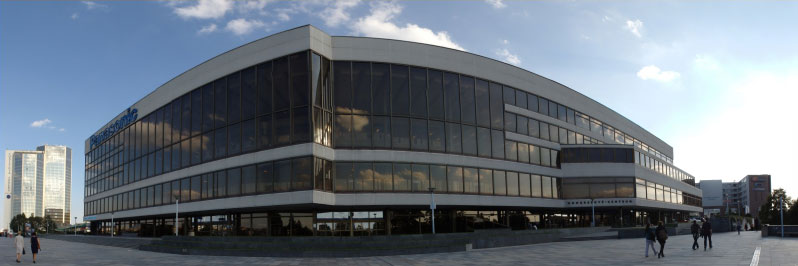
Prague Congress Centre (KCP)
5.května 65140 21 Prague 4
Czech Republic
Phone: +420 261 171 111
Website: www.kcp.cz