



Cognitive recovery after aneurysmal subarachnoid haemorrhage
Aneurysmal subarachnoid haemorrhage (aSAH) is a medical emergency in which bleeding occurs around the brain, usually after an aneurysm ruptures. Survival has improved with rapid neurosurgery, endovascular coiling and intensive care, yet many people continue to experience cognitive changes long after the bleeding has stopped.
Physical recovery can appear encouraging while problems with memory, attention, processing speed, planning or emotional control remain hidden. These difficulties may affect medication management, conversations, driving, employment and relationships, even when strength and mobility have largely returned.
The pattern of recovery is individual. Brain injury, hydrocephalus, seizures, vasospasm, sleep disruption, depression and fatigue can all influence daily function. Age, education, previous health, family support and access to specialist rehabilitation also shape the outcome.
For Australians, care may involve a major neuroscience centre in Melbourne, Sydney, Brisbane, Perth or Adelaide, followed by community treatment closer to home. Understanding the cognitive picture helps families, employers and health professionals make recovery safer and more realistic.
How cognitive changes develop
Attention and information-processing speed are frequently affected after aSAH. A person may need longer to follow a discussion, switch between tasks or respond to unexpected events. Memory problems can involve learning new information rather than recalling long-established facts, making written routines and phone reminders useful.
Executive functions can be disrupted as well. Planning a shopping trip, organising appointments, judging risk or starting a task may require far more effort than before. These changes are sometimes mistaken for laziness or poor motivation, particularly when the person appears physically well.
Fatigue and emotional wellbeing
Cognitive fatigue is one of the most disabling consequences of aSAH. Concentration may deteriorate after a short period of reading, screen use or social interaction, and recovery can require quiet rest rather than simply increased sleep. A gradual schedule is often more productive than pushing through exhaustion.
Anxiety, low mood, irritability and reduced emotional regulation may arise from neurological injury or the frightening experience of sudden illness. Families can misread personality changes as deliberate behaviour. Screening for depression, anxiety and sleep disorders should form part of follow-up, alongside clear explanations about the brain’s recovery process.
Assessment beyond the bedside
A brief hospital screen may identify major impairment but miss subtle difficulties that affect work and independent living. A comprehensive neuropsychological assessment can examine attention, verbal and visual memory, language, processing speed, executive skills and emotional functioning. It can also compare test results with everyday concerns.
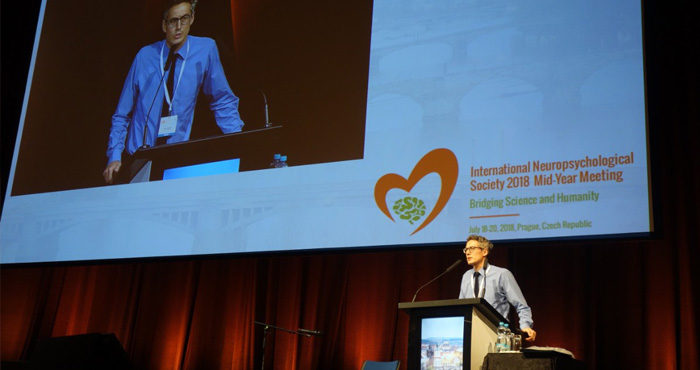
Assessment is most useful when linked to practical goals. Someone returning to a construction role may need advice about hazard awareness and divided attention, while an office worker may struggle with emails, deadlines and prolonged meetings. The programme highlights from the 2018 International Neuropsychological Society meeting reflected the value of connecting scientific findings with humane clinical care.
Rehabilitation in Australian settings
Cognitive rehabilitation may include external memory aids, task breakdown, error-management strategies and practice in real-world routines. Occupational therapists, speech pathologists, psychologists and rehabilitation physicians can coordinate treatment, with family members helping to identify situations that testing does not capture.
Australia’s geography can make continuity difficult. A patient in regional New South Wales or far north Queensland may rely on telehealth, visiting services or travel to a metropolitan hospital. Public hospital pathways, private neuropsychology appointments and NDIS-related supports can differ, so families benefit from a written care plan that clarifies referrals, costs and responsibilities.
Returning to work and driving
A return to work should be staged according to cognitive endurance, accuracy and safety rather than appearance alone. Shorter shifts, fewer simultaneous demands, written instructions and scheduled breaks may allow skills to rebuild. Employers should understand that a person can speak fluently while still having impaired concentration or slower decision-making.
Driving requires particular caution because it combines visual attention, reaction speed, judgment and divided attention. Medical advice, formal assessment and state or territory licensing requirements may apply. Rules and reporting expectations vary across Australia, so treating clinicians should document functional evidence and provide advice specific to the relevant jurisdiction.
Supporting long-term recovery
Recovery after aSAH often continues for months or years, with progress that is uneven rather than perfectly linear. A person may perform well in a quiet clinic and struggle in a busy home, workplace or shopping centre. Reviewing goals over time allows rehabilitation to address emerging demands instead of relying on an early snapshot.
Families can support recovery by using consistent routines, giving one instruction at a time and allowing extra response time. Rest, cardiovascular health, seizure management, sleep and emotional support also matter. Clear communication between hospitals, general practitioners, allied health teams and community services can reduce gaps as care moves from acute treatment to long-term living.
General Information
Important information about the meetingIndustry
Support and exhibition opportunitiesCzech Republic
Beautiful country situated in the very heart of EuropeContact
How can we help you?
Prague Congress Centre (KCP)
5.května 65140 21 Prague 4
Czech Republic
Phone: +420 261 171 111
Website: www.kcp.cz