



Neuropsychology Of Psychogenic Non-Epileptic Seizures
Psychogenic non-epileptic seizures, increasingly called functional seizures, are episodes that resemble epileptic seizures without the abnormal electrical discharges associated with epilepsy. They are real, involuntary events rather than deliberate behavior. Neuropsychology helps explain how attention, emotion, memory, bodily awareness, and stress responses can interact to produce disabling symptoms.
A careful formulation must protect patients from two errors: assuming every unusual episode is psychological, or treating a confirmed functional seizure as fabricated. Video-EEG, neurological examination, clinical history, and neuropsychological assessment each contribute different evidence. The aim is diagnostic clarity paired with respectful, useful care.
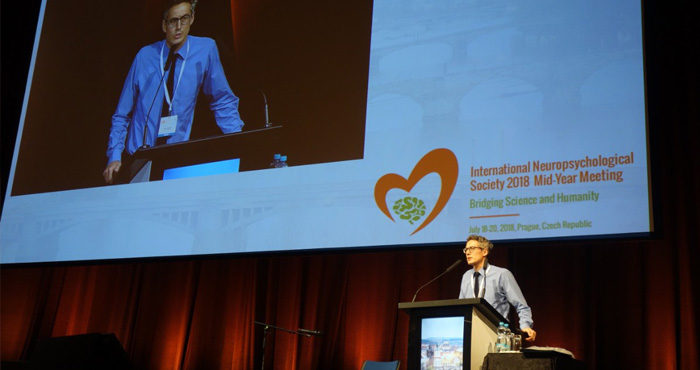
This perspective reflects the wider neuropsychological commitment to connecting neuroscience with humane clinical practice. Educational resources from the INS 2018 meeting provide a useful context for considering how research, cultural sensitivity, and patient-centered treatment can inform work with functional neurological symptoms.
Understanding Functional Seizures
Functional seizures arise from altered nervous-system functioning rather than structural brain damage or epileptic activity. During an episode, networks involved in arousal, movement, attention, threat detection, and self-monitoring may become organized in a way that produces genuine changes in behavior and awareness.
The term “psychogenic” can be misleading when it suggests that symptoms are simply caused by conscious thoughts. Emotional distress, previous illness, trauma, chronic pain, sleep disruption, and learned bodily responses may all be relevant, but no single factor explains every case. Some patients identify clear triggers, while others do not.
Neuropsychological Features
Assessment may reveal difficulties with sustained attention, processing speed, executive control, autobiographical memory, or emotional regulation. These findings are not diagnostic by themselves. Fatigue, medication effects, anxiety, depression, dissociation, and repeated medical crises can influence performance and should be considered before drawing conclusions.
Dissociative experiences are also common in some patients. A person may describe detachment, altered awareness, or a sense that movements are happening outside voluntary control. Neuropsychological interviewing should explore these experiences without implying that the patient is responsible for producing them.
Distinguishing Seizure Types
No single clinical sign reliably separates epileptic seizures from functional events. Features such as prolonged duration, fluctuating intensity, asynchronous movements, preserved awareness during apparent unresponsiveness, or occurrence in specific contexts may raise suspicion, but they require interpretation by an experienced clinician.
Video-electroencephalography can capture a typical event and determine whether an epileptic electrical pattern accompanies it. Yet testing must be matched to the patient’s usual episodes. A normal recording between attacks does not automatically exclude epilepsy, and functional seizures and epilepsy can occur in the same person.
| Clinical question | Useful evidence | Important caution |
|---|---|---|
| Is the event epileptic? | Video-EEG during a typical episode | Atypical or unrecorded events remain uncertain |
| Are cognitive symptoms present? | Neuropsychological testing and interview | Scores can be affected by fatigue, mood, and medication |
| Are dissociative processes relevant? | Symptom history and behavioral observation | Do not equate dissociation with intentional behavior |
| What treatment is appropriate? | Shared formulation across disciplines | Neurology and mental-health care may both be needed |
Communicating The Diagnosis
The diagnostic conversation can influence recovery. Patients often arrive after years of emergency visits, antiseizure medication trials, stigma, or accusations that symptoms are “all in the head.” A clinician should explain that the episodes are real, involuntary, and potentially treatable, while clearly describing the evidence supporting the diagnosis.
A useful explanation links brain function and bodily experience. For example, clinicians may describe a functional change in the way the brain controls movement or attention, similar to other disorders in which a system operates abnormally without visible tissue damage. This approach validates suffering without promising a quick cure.
Treatment And Recovery
Treatment commonly includes education, a coordinated neurological plan, and psychological therapy adapted to the patient’s needs. Cognitive-behavioral approaches may address catastrophic interpretations, avoidance, arousal, and coping patterns. Trauma-focused treatment can be appropriate when trauma is relevant and the patient has sufficient stability, but trauma should never be presumed.
Practical care also involves sleep, medication review, safety planning, and management of coexisting migraine, pain, depression, anxiety, or epilepsy. Families and emergency teams benefit from a written response plan that avoids unnecessary restraint, harmful stimulation, and repeated emergency medication when the event has been identified as functional.
Building A Patient-Centered Plan
Neuropsychologists can improve care by integrating test results with developmental history, culture, language, education, health beliefs, and the patient’s own account of symptoms. Cultural expectations may shape how distress is expressed and how neurological illness is understood. Quiet reflection in supportive settings can help some patients regulate arousal; resources on Prague’s gardens and parks illustrate how environment can support wellbeing without replacing clinical treatment.
Useful clinical priorities include:
- Confirm that the recorded or observed event is representative.
- Explain the diagnosis in clear, nonjudgmental language.
- Screen for epilepsy, medication effects, sleep problems, mood symptoms, trauma, and dissociation.
- Coordinate neurology, psychology, primary care, and emergency planning.
- Track functioning and quality of life, not only episode frequency.
Research continues to examine predictive processing, attention, interoception, emotional learning, and large-scale brain networks. These models may improve assessment, but they should remain connected to the individual’s history rather than becoming labels that overshadow clinical judgment.
Bringing Evidence Into Humane Care
A neuropsychological approach to functional seizures is strongest when scientific precision and compassion operate together. Patients need an accurate explanation, protection from stigma, and access to treatment that recognizes both brain-based mechanisms and lived experience.
Clinicians, researchers, and trainees can advance this work by studying diverse populations, refining communication methods, and sharing practical care pathways across disciplines. Use established assessment standards, collaborate across specialties, and make every diagnostic conversation a step toward safety, trust, and meaningful recovery.
General Information
Important information about the meetingIndustry
Support and exhibition opportunitiesCzech Republic
Beautiful country situated in the very heart of EuropeContact
How can we help you?
Prague Congress Centre (KCP)
5.května 65140 21 Prague 4
Czech Republic
Phone: +420 261 171 111
Website: www.kcp.cz