



Designing Group Cognitive Interventions for Mild Cognitive Impairment
A well-designed group cognitive programme can help people with mild cognitive impairment (MCI) practise memory strategies, maintain confidence and stay connected with others. Its purpose is broader than remembering more words: participants should be able to use practical techniques while shopping, managing appointments, following recipes and taking part in conversations.
For Australian clinicians, the strongest model combines cognitive rehabilitation, psychoeducation and meaningful social activity. It also needs to reflect local cultures, transport patterns, health services and the realities of delivering care in metropolitan and regional communities.
Define The Clinical Purpose
Begin with a clear profile of the group. MCI can involve memory, attention, executive function or language, and participants may have very different causes, education levels and daily demands. A brief baseline assessment should examine functional goals as well as cognitive performance, with attention to mood, sleep, hearing, vision and medication effects.
Set outcomes that can be observed outside the clinic. A participant might aim to use a phone calendar independently, remember a shopping list, organise bills or follow a public transport route. These goals make cognitive training relevant and allow facilitators to track progress through self-report, carer feedback and structured task measures.
Build A Practical Group Format
Groups of six to eight people are usually large enough to create interaction while remaining manageable for individual support. A weekly session of 60 to 90 minutes can include a predictable welcome, review of home practice, a short teaching segment, guided exercises and a real-world application. Familiar routines reduce cognitive load and make attendance easier.
Use repetition without making sessions monotonous. Spaced retrieval, errorless learning, elaboration, visual imagery and external memory aids can be combined with problem-solving tasks. A session might move from learning names to recording them in a phone, then rehearsing how to use that information at a community event.
Make Activities Culturally Responsive
Cultural adaptation should affect examples, communication style and the meaning of independence, rather than being limited to translated handouts. A useful resource on cross-cultural battery design can support thinking about language, education, acculturation and culturally fair assessment.
In Australia, facilitators may work with multilingual families, Aboriginal and Torres Strait Islander participants, migrants and people from communities with different views of ageing and help-seeking. Offer interpreters where appropriate, avoid idioms, check whether family involvement is welcomed and allow time for yarning or relationship-building when that fits the participant’s cultural context.
Connect Training With Australian Life
Exercises should resemble local routines. Participants in Melbourne or Sydney might practise planning a tram, train or bus journey, while a regional participant may need strategies for a long drive to medical appointments. Shopping tasks can use Australian supermarket layouts, loyalty cards and everyday budgeting rather than abstract worksheets.
Consider ordinary habits such as keeping appointments in a mobile phone, preparing a cuppa for visitors, managing online banking and remembering scripts for telehealth consultations. These activities also reveal barriers: hearing announcements on public transport, navigating large shopping centres or coping with limited services across rural and remote areas.
Support Safety, Privacy And Access
Group work must protect confidentiality. Explain what can and cannot be discussed outside the room, obtain consent before involving carers and store clinical information securely under the Privacy Act 1988. Facilitators should also plan for falls risk, distress, fatigue, driving concerns and the possibility that a participant needs further medical review.
Funding pathways require careful explanation. MCI alone may not meet NDIS access requirements, while some participants may receive support through private services, hospital outpatient programmes, primary care or aged-care pathways. A transparent fee structure and options for concession rates can improve access in a market where neuropsychological services are often concentrated in capital cities.
Measure Change And Sustain Gains
Use measures that capture both cognitive strategy use and daily function. At the beginning and end of the programme, record confidence, goal attainment, attendance, home practice and performance on relevant tasks. A short follow-up at three months can show whether participants continue using calendars, notebooks, alarms or medication routines.
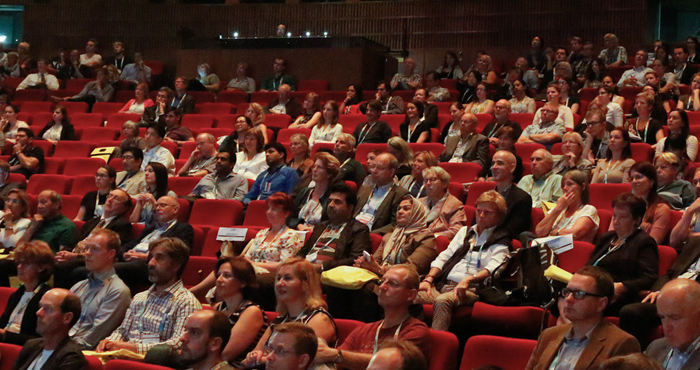
Maintenance sessions can refresh strategies and preserve peer support. Telehealth may help people in Brisbane, Perth or remote communities, but digital confidence, internet access and privacy at home must be checked first. A small exhibition of participant-approved materials or photographs can also reinforce belonging; the conference’s photo gallery reflects how professional learning and human connection can sit alongside one another.
A successful intervention leaves participants with a personalised toolkit, realistic goals and a stronger sense of capability. For clinicians, careful observation of group dynamics is as important as selecting the right memory exercise: the social environment can turn an isolated skill into a habit that has value in everyday Australian life.
General Information
Important information about the meetingIndustry
Support and exhibition opportunitiesCzech Republic
Beautiful country situated in the very heart of EuropeContact
How can we help you?
Prague Congress Centre (KCP)
5.května 65140 21 Prague 4
Czech Republic
Phone: +420 261 171 111
Website: www.kcp.cz