




Neuropsychology of Trauma in Military Populations
Post-traumatic stress disorder (PTSD) in military personnel is a complex neuropsychological condition shaped by combat exposure, traumatic loss, moral injury, repeated threat, and the demands of military culture. Its effects can extend across attention, memory, emotional regulation, sleep, decision-making, and social functioning.
A neuropsychological perspective connects brain systems with lived experience. It helps clinicians distinguish trauma-related cognitive changes from traumatic brain injury, depression, substance use, chronic pain, and normal responses to prolonged stress. It also supports care that respects service history, cultural identity, and the patient’s readiness to discuss distressing experiences.
Research presented through the International Neuropsychological Society community emphasized the value of linking neuroscience with humane clinical practice. That approach remains especially relevant when assessing veterans and active-duty personnel whose symptoms may be masked by discipline, stigma, or pressure to remain operational.
How Military Trauma Affects The Brain
Acute danger activates neural circuits responsible for survival, vigilance, and rapid action. When traumatic stress becomes persistent, the amygdala may remain highly reactive while prefrontal systems involved in inhibition, planning, and flexible reasoning operate less efficiently. Altered communication between these regions can contribute to irritability, exaggerated startle, intrusive memories, and difficulty shifting attention.
The hippocampus is also important because it helps organize memories in time and context. PTSD may interfere with this process, causing past events to feel present and making harmless cues resemble threats. Neuropsychological testing can reveal weaknesses in verbal learning, working memory, processing speed, or executive control without reducing the person’s experience to a single score.
Cognitive Symptoms And Clinical Assessment
Military-related PTSD often involves inconsistent concentration rather than a uniform cognitive deficit. A service member may perform adequately in a quiet clinic but struggle with divided attention, sleep loss, noise, or unpredictable demands. Assessments should therefore combine standardized measures with interviews about deployment conditions, occupational duties, medications, pain, and daily functioning.
Clinicians should also screen for mild traumatic brain injury, blast exposure, depression, anxiety, alcohol misuse, and chronic sleep disruption. The relationship between these conditions is frequently reciprocal: poor sleep worsens attention and emotional control, while hyperarousal and nightmares make restorative sleep difficult. Guidance on sleep disorders can provide useful context when interpreting cognitive complaints in trauma-exposed populations.
Memory, Attention, And Executive Control
Trauma-related cognitive changes may appear as forgetfulness, mental slowing, distractibility, or difficulty organizing tasks. These symptoms can reflect intrusive recollections competing for attention, persistent threat monitoring, or exhaustion rather than permanent neurological damage. A careful history helps identify whether problems began after deployment, injury, medication changes, or a worsening of PTSD symptoms.
Executive functions deserve particular attention in military settings. Planning, inhibition, error monitoring, and cognitive flexibility support safe judgment during operations and successful reintegration into family and civilian life. Functional examples—missing appointments, abandoning tasks, reacting impulsively, or avoiding crowded environments—often clarify the practical impact of test findings.
| Clinical domain | Common trauma-related presentation | Useful assessment focus |
|---|---|---|
| Attention | Distractibility and threat scanning | Sustained and divided attention |
| Memory | Intrusive recollections or poor new learning | Verbal and visual encoding |
| Executive control | Irritability, impulsivity, rigid responses | Inhibition and flexibility |
| Emotional regulation | Hyperarousal and rapid mood shifts | Symptom history and functional behavior |
| Sleep | Nightmares, insomnia, daytime fatigue | Sleep schedule and daytime cognition |
Cultural And Military Context
Military culture can influence how symptoms are described and when treatment is accepted. Some personnel view emotional disclosure as a threat to identity, promotion, unit cohesion, or perceived reliability. Others may describe distress through headaches, fatigue, anger, pain, or performance decline rather than using psychological language.
Culturally responsive neuropsychology avoids assumptions about resilience or vulnerability. Clinicians should ask about rank, role, branch, deployment setting, language, family expectations, and experiences of discrimination. Veterans from different nations and communities may interpret trauma, memory, authority, and healing in distinct ways, making individualized communication essential.
Treatment And Cognitive Rehabilitation
Evidence-based PTSD treatments may include prolonged exposure, cognitive processing therapy, eye movement desensitization and reprocessing, medication, and integrated care for substance use or pain. Neuropsychological findings can help tailor treatment pacing, identify barriers to learning, and determine whether compensatory strategies are needed during periods of severe sleep loss or hyperarousal.
Cognitive rehabilitation may focus on routines, external reminders, task sequencing, attentional breaks, and techniques for managing triggers. Treatment is strengthened when clinicians coordinate with primary care, psychiatry, occupational services, families, and veteran support systems. The goal is functional recovery alongside symptom reduction.
Practical Priorities For Clinicians
A comprehensive approach should remain clinically rigorous while recognizing the person behind the diagnosis. Helpful priorities include:
- Establish a detailed timeline linking trauma, deployment, injury, sleep, and cognitive complaints.
- Separate PTSD-related inefficiency from persistent deficits associated with traumatic brain injury.
- Assess safety, substance use, suicidality, pain, nightmares, and medication effects.
- Use culturally respectful language and explain testing results in practical terms.
- Track real-world outcomes such as work performance, relationships, driving, and independent living.
Follow-up assessments can show whether cognitive difficulties improve as sleep and hyperarousal stabilize. Repeated measurement should be purposeful, with results used to refine rehabilitation, workplace accommodations, and return-to-duty or reintegration decisions.
Neuropsychology offers military communities a bridge between brain science and compassionate care. Explore the conference’s clinical perspective and continue examining how trauma, cognition, sleep, culture, and recovery intersect in service members and veterans.
General Information
Important information about the meetingIndustry
Support and exhibition opportunitiesCzech Republic
Beautiful country situated in the very heart of EuropeContact
How can we help you?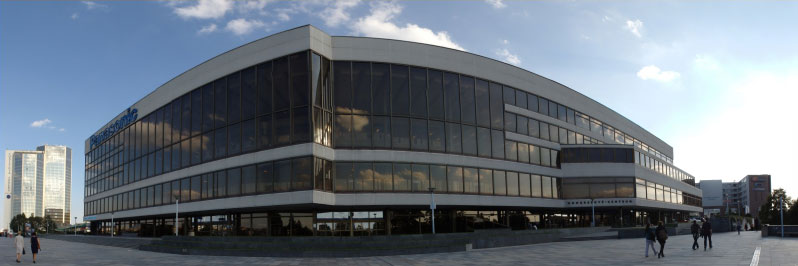
Prague Congress Centre (KCP)
5.května 65140 21 Prague 4
Czech Republic
Phone: +420 261 171 111
Website: www.kcp.cz