




Neuropsychological assessment of deaf and hard-of-hearing individuals
Neuropsychological assessment of deaf and hard-of-hearing individuals requires more than adapting a standard test battery. It calls for careful attention to language access, educational history, cultural identity, communication preferences, and the conditions under which a person learned to read, speak, sign, or use assistive technology.
A score can reflect brain function, but it can also reflect unfamiliar instructions, limited access to spoken language, poor audio quality, or an assessment delivered through an interpreter who is not trained for clinical testing. Sound clinical practice separates these influences before drawing conclusions about memory, attention, executive skills, or intellectual ability.
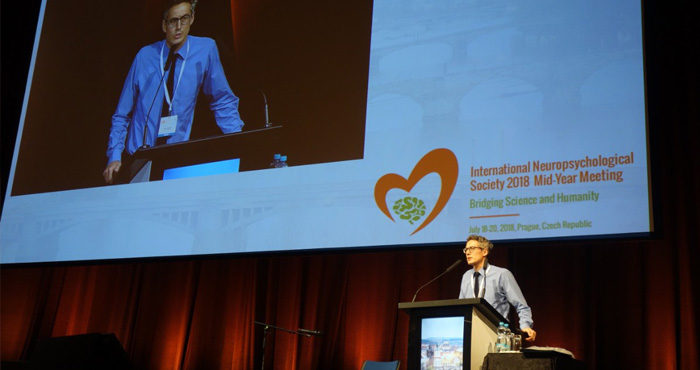
The 2018 International Neuropsychological Society meeting in Prague emphasized the relationship between scientific progress and humane patient care. That same principle is central when clinicians evaluate people who are deaf, late-deafened, hard of hearing, or living with different combinations of hearing and communication needs.
Start with communication and cultural context
Before testing begins, the clinician should establish how the patient communicates most effectively. Options may include a national sign language, spoken language, cued speech, writing, lip-reading, captioning, an assistive listening device, or a combination of methods. The patient’s preference should guide the plan rather than assumptions based on an audiogram or diagnostic label.
Deafness is not a single clinical experience. A person who has been deaf since birth may have a different linguistic and educational history from someone who developed hearing loss in later adulthood. Some patients identify strongly with Deaf culture, while others view hearing loss primarily as a medical or functional concern. These distinctions can affect rapport, test comprehension, and the meaning of observed behavior.
Build a valid testing environment
The room should support visual communication, minimize glare, and provide unobstructed views of the clinician and interpreter. Lighting, seating, background noise, microphone placement, and captioning technology can all influence performance. Instructions should be presented in the patient’s strongest accessible language, with enough time for clarification without repeatedly changing the wording.
Interpreter involvement requires careful planning. A qualified interpreter can improve access, but interpretation may alter timing, linguistic complexity, or the demands of verbal tasks. The report should identify who interpreted, which communication method was used, whether the patient understood the instructions, and how those factors may affect score validity.
Normative data present another challenge. Many widely used neuropsychological measures were standardized primarily with hearing English speakers. When translated, signed, modified, or administered through an interpreter, a test may no longer measure the same construct in the same way.
Interpret scores alongside functional evidence
Cognitive results should be integrated with developmental history, school experiences, occupational demands, medical records, collateral information, and everyday functioning. A lower verbal score may indicate reduced exposure to the test language rather than impaired reasoning. Similarly, difficulty following rapid spoken directions may reveal access barriers rather than an attention disorder.
Clinicians should distinguish language proficiency from language-based cognition. Nonverbal reasoning, visual memory, processing speed, motor demands, and executive tasks each have their own communication requirements. A balanced battery may reduce the risk of attributing language and educational inequities to neurological impairment.
| Assessment area | Possible access concern | More defensible approach |
|---|---|---|
| Verbal learning | Limited proficiency in the test language | Document language history and interpret cautiously |
| Auditory attention | Reduced access to spoken stimuli | Use accessible visual or signed formats where valid |
| Working memory | Interpreter mediation changes task demands | Describe adaptations and avoid direct norm comparisons |
| Executive function | Unfamiliar instructions or time pressure | Confirm comprehension and include functional evidence |
| Emotional symptoms | Limited access to standard questionnaires | Use accessible measures and a clinically guided interview |
Adapt methods without losing clinical purpose
Adaptation should preserve the intended construct whenever possible. For example, a visual presentation may be appropriate when the goal is sustained attention, but it may not be equivalent when the task specifically measures auditory discrimination. Every modification should be recorded, including translated instructions, changes in timing, practice trials, and the use of captions or sign language.
A flexible approach is especially important in acquired brain injury. People with hearing loss may also experience fatigue, tinnitus, vestibular symptoms, or communication changes after trauma. Research and clinical discussions of veteran brain injury rehabilitation can help place cognitive findings within a broader rehabilitation framework, rather than treating test scores as isolated evidence.
Strengthen the report and care plan
A useful report explains the patient’s communication profile before presenting cognitive findings. It should state whether scores are norm-referenced, descriptive, or limited by the absence of suitable norms. Clear language helps patients, families, educators, employers, and rehabilitation teams understand what the assessment can and cannot establish.
Recommendations should be practical and accessible. They might include written instructions, visual schedules, captioned meetings, sign-language access, reduced background noise, additional processing time, memory aids, or referral to speech-language, audiology, occupational, or psychological services. The plan should recognize strengths and support autonomy rather than framing communication differences as deficits.
Support better practice across services
Training improves consistency. Assessment teams benefit from education in Deaf culture, signed languages, hearing technology, interpreter collaboration, and the limits of conventional neuropsychological norms. Hospitals and clinics can also establish procedures for booking qualified interpreters, checking devices, documenting accommodations, and obtaining accessible consent.
Professional communication matters beyond the testing room. Clear conference materials, accessible registration information, and inclusive outreach help broaden participation in neuropsychology. Resources such as the conference promotion kit illustrate how organized communication can support professional engagement, though accessibility should remain part of every stage of event and service planning.
Practical habits can make assessments more equitable:
- Ask the patient directly how they prefer to communicate.
- Record hearing, language, educational, and cultural history in detail.
- Use qualified interpreters when needed and define their role before testing.
- Explain adaptations and limits of interpretation in the clinical report.
- Combine test findings with functional, developmental, and collateral evidence.
When clinicians treat access as part of validity, assessment becomes more accurate and more respectful. The next step is to review local protocols, consult appropriately trained professionals, and design each evaluation around the individual’s language, history, strengths, and real-world goals.
General Information
Important information about the meetingIndustry
Support and exhibition opportunitiesCzech Republic
Beautiful country situated in the very heart of EuropeContact
How can we help you?
Prague Congress Centre (KCP)
5.května 65140 21 Prague 4
Czech Republic
Phone: +420 261 171 111
Website: www.kcp.cz