




Culturally Informed Feedback In Neuropsychological Assessment
Assessment feedback is more than the delivery of scores. It is a clinical conversation in which a person learns how attention, memory, language, mood, or executive functioning may affect daily life. The same explanation can feel reassuring, confusing, or stigmatizing depending on a patient’s culture, language, family structure, and experience with healthcare.
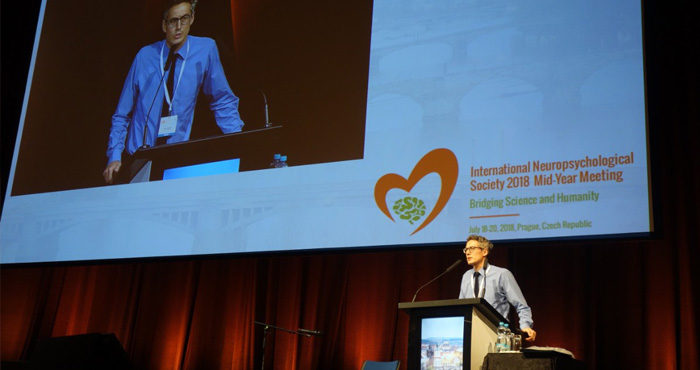
The International Neuropsychological Society meeting in Prague in 2018 emphasized the connection between scientific progress and humane clinical practice. A workshop on culturally informed feedback delivery in assessment fits that mission by focusing on how clinicians can communicate evidence with accuracy, respect, and practical value.
Effective feedback should help patients understand what was assessed, what the findings mean, and what can happen next. Cultural humility makes that process more collaborative: the clinician remains attentive to personal values and community context rather than assuming that one communication style will suit everyone.
Why Cultural Context Matters
Neuropsychological tests are administered under standardized conditions, but patients do not arrive as culturally neutral participants. Their educational history, first language, migration experience, health beliefs, and familiarity with psychological services can influence both test performance and how results are interpreted.
A low score may reflect a genuine cognitive difficulty, limited access to formal education, language differences, sensory factors, or unfamiliarity with testing conventions. Feedback should therefore distinguish between observed performance and the explanations that remain open for discussion. This protects the patient from an overly narrow interpretation.
Cultural responsiveness also includes awareness of stigma. Some patients may associate cognitive assessment with severe mental illness, loss of independence, or family shame. A calm explanation of the assessment’s purpose can create psychological safety before detailed findings are discussed.
Preparing For A Trustworthy Conversation
Preparation begins before the feedback appointment. Review the referral question, testing conditions, interpreter needs, preferred forms of address, and any relevant information about the patient’s family or community. When an interpreter is involved, brief them on the purpose of the meeting and speak directly to the patient rather than directing conversation toward the interpreter.
The clinician should decide which findings are essential and which technical details can be reserved for the written report. A useful structure moves from strengths to areas of concern, then to functional implications and recommendations. This sequence gives patients a balanced account of their abilities and reduces the risk that one weak score will define the entire discussion.
It is also helpful to anticipate emotionally difficult moments. A patient may become silent, defensive, tearful, or eager to dismiss the findings. These responses are information about the conversation, not evidence of noncompliance. Pause, acknowledge the reaction, and invite clarification without forcing immediate agreement.
Translating Scores Into Everyday Meaning
Technical language can create distance. Terms such as “processing speed,” “verbal working memory,” or “executive dysfunction” should be paired with concrete examples. For instance, a clinician might explain that slower processing can make rapid conversations, multitasking, or completing forms more tiring.
Feedback becomes more useful when it links results to the patient’s own goals. Ask about work, school, medication management, driving, relationships, and household responsibilities within the limits of the clinical setting. A recommendation is more likely to be followed when it addresses a real-life task that the patient has identified as important.
The same principle applies to neurological conditions. A person recovering from stroke may need explanations that connect cognitive changes with rehabilitation, fatigue, communication, and family support. The role of neuropsychology in stroke recovery illustrates why assessment findings should guide practical care rather than remain isolated in a report.
Choosing The Right Feedback Approach
Different circumstances call for different levels of detail, pacing, and family involvement. The following comparison can help clinicians select a communication approach while retaining flexibility for individual needs.
| Patient context | Helpful communication style | Potential risk | Practical adjustment |
|---|---|---|---|
| Limited familiarity with healthcare | Plain language and frequent summaries | Medical terms may be misunderstood | Explain each term with an everyday example |
| Different first language | Short statements with interpreter support | Nuance may be lost in translation | Pause often and verify meaning |
| High distress or stigma concerns | Strengths-based, gradual disclosure | The patient may disengage | Begin with purpose, consent, and coping resources |
| Strong family involvement | Collaborative discussion with permission | Patient autonomy may be overshadowed | Confirm whom the patient wants included |
| Cognitive fatigue or neurological illness | Brief segments and written takeaways | Too much information may be forgotten | Schedule breaks and prioritize key actions |
Recommendations For Clinical Practice
Culturally responsive feedback is a skill that improves through deliberate preparation and reflection. Clinicians can incorporate the following habits into assessment services:
- Ask how the patient prefers information to be explained and who should participate.
- Separate test observations from assumptions about cultural background or behavior.
- Use plain language, examples, visual aids, and teach-back to check understanding.
- Discuss strengths before limitations while keeping the interpretation clinically honest.
- Document cultural, linguistic, and contextual factors that affect interpretation.
Teach-back should feel like a quality check rather than an examination. A clinician might say, “I want to make sure I explained this clearly. What do you understand about the next steps?” The answer can reveal whether the patient needs a different explanation, an interpreter, written material, or more time.
Turning Feedback Into Collaborative Care
The appointment should end with a shared plan. Summarize the main findings, identify two or three practical priorities, and clarify who will do what next. Written information should match the patient’s language needs and reading level whenever possible, with contact details for follow-up.
Cultural humility continues after the meeting. Clinicians can review whether recommendations fit the patient’s resources, family expectations, transportation options, work demands, and access to rehabilitation or medical care. A technically accurate recommendation that cannot be used in daily life is incomplete.
Use the principles of culturally informed communication in upcoming assessments, team consultations, and supervision discussions. When feedback respects both scientific evidence and the person receiving it, neuropsychology becomes more understandable, more ethical, and more useful in practice.
General Information
Important information about the meetingIndustry
Support and exhibition opportunitiesCzech Republic
Beautiful country situated in the very heart of EuropeContact
How can we help you?
Prague Congress Centre (KCP)
5.května 65140 21 Prague 4
Czech Republic
Phone: +420 261 171 111
Website: www.kcp.cz