




Neuropsychological Assessment of Refugees And Asylum Seekers
Assessing refugees and asylum seekers requires more than translating a familiar test battery. Clinicians must interpret cognitive performance within a history of displacement, interrupted education, trauma exposure, unfamiliar health systems, and possible ongoing legal uncertainty. The assessment process should be clinically sound while protecting dignity and psychological safety.
Language, culture, literacy, and migration experiences can influence every stage of testing. A low score may reflect limited schooling, unfamiliarity with timed tasks, second-language processing, sleep deprivation, depression, post-traumatic stress, or neurological injury. Effective evaluation therefore combines standardized measures with careful history-taking and culturally responsive clinical judgment.
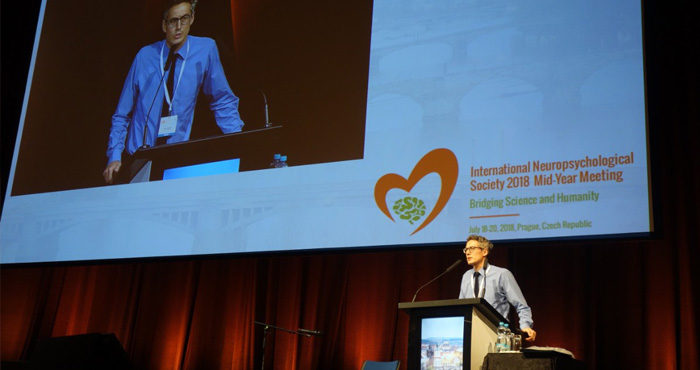
The 2018 International Neuropsychological Society meeting in Prague emphasized the relationship between scientific advances and humane patient care. That perspective remains valuable when adapting neuropsychological methods for displaced populations whose circumstances may not fit standard assumptions.
Establishing A Culturally Informed Framework
Before testing begins, the clinician should document the person’s preferred language, strongest language, literacy history, educational opportunities, occupation, and familiarity with formal examinations. School attendance may have been disrupted by conflict or poverty, while professional skills may have developed outside conventional educational systems.
Cultural formulation should include beliefs about illness, memory, authority, disability, and psychological care. Some individuals may describe emotional distress through bodily symptoms or practical concerns rather than psychiatric language. Building rapport requires patience, transparency, and an explanation of how results will be used.
The assessment should also account for the person’s current living conditions. Crowded accommodation, food insecurity, uncertain asylum status, family separation, and limited access to healthcare can affect concentration and memory from day to day.
Working Effectively With Interpreters
A trained medical interpreter is preferable to a family member or informal community helper. Interpreters should receive a briefing about confidentiality, verbatim interpretation, sensitive topics, and the importance of preserving uncertainty or hesitation. The clinician should speak directly to the patient in short, clear segments rather than addressing the interpreter.
Interpreter-mediated assessment can alter timing, response length, and emotional expression. Instructions should be translated consistently, and the evaluator should observe whether errors arise from comprehension, translation ambiguity, or the cognitive task itself. When possible, translated instructions and culturally appropriate tools should be reviewed by qualified bilingual professionals.
Language proficiency must be separated from cognitive ability. Testing in a second language may reduce verbal fluency, working memory, processing speed, and recall, particularly under time pressure. A bilingual evaluation may therefore require multiple sources of evidence instead of a single composite score.
Interpreting Trauma And Psychiatric Symptoms
Trauma can produce attention problems, intrusive memories, dissociation, sleep disturbance, slowed processing, and inconsistent effort. These features may resemble acquired brain injury or developmental cognitive impairment. A detailed timeline can help distinguish symptoms that began before displacement from those that emerged after violence, detention, migration, or resettlement.
Neuropsychology and psychiatry frequently overlap in complex cases, and clinical perspectives can help clinicians integrate cognitive findings with mood, psychosis, trauma-related symptoms, and medication effects. Collaboration is especially important when test results may influence treatment, disability services, or legal decisions.
The evaluator should avoid treating emotional distress as proof that cognitive complaints are unfounded. At the same time, reported difficulties should be examined alongside behavioral observations, medical records, functional history, and performance validity indicators. A balanced formulation acknowledges uncertainty rather than forcing a premature diagnosis.
Selecting And Interpreting Measures
Standard scores based on monolingual, highly educated samples may be inappropriate for a refugee who has limited formal schooling or has never used written tests. Measures with reduced language demands, nonverbal reasoning tasks, learning trials, functional observations, and carefully selected memory tests may provide more meaningful information.
| Assessment concern | Potential influence on results | Helpful clinical response |
|---|---|---|
| Limited or interrupted education | Reduced familiarity with test conventions and written material | Record educational quality and interpret norms cautiously |
| Testing in a second language | Lower verbal retrieval and slower comprehension | Use a qualified interpreter or bilingual examiner |
| Trauma, anxiety, or poor sleep | Variable attention, recall, and processing speed | Assess symptom timing and repeat testing when stable |
| Cultural unfamiliarity | Confusion about instructions or abstract content | Explain procedures and select culturally appropriate tasks |
| Neurological injury or illness | Genuine cognitive impairment | Integrate medical history, records, and functional evidence |
Scores should be reported with context, including language of testing, interpreter involvement, education, cultural considerations, and factors that may limit validity. Rather than presenting a numerical profile as definitive, the report should explain what the results support, what remains uncertain, and how findings affect everyday functioning.
Protecting Consent And Clinical Safety
Informed consent must be meaningful, voluntary, and presented in a language the patient understands. Patients should know whether the evaluation is for treatment, education, disability documentation, immigration proceedings, or another purpose. They should also understand who will receive the report and the possible consequences of disclosure.
Legal and humanitarian contexts create additional pressure. A person may fear that poor performance will damage an asylum claim or that discussing trauma will trigger removal, stigma, or family consequences. Clinicians should clarify professional boundaries and avoid promising a legal outcome based on neuropsychological findings.
Assessment sessions may activate distress, particularly when tasks involve memory, threat, or personal history. Breaks, grounding strategies, privacy, and referral pathways should be available. Safety screening is appropriate when there are signs of suicidal thinking, exploitation, domestic violence, severe psychosis, or immediate medical risk.
Translating Findings Into Patient Care
A useful report connects cognitive findings to practical recommendations. These may include simplified written information, repetition of instructions, visual supports, interpreter access, extra time, sleep treatment, trauma-focused therapy, medication review, or rehabilitation for specific cognitive weaknesses.
Recommendations should be feasible within the person’s social and legal circumstances. A referral is less useful if transportation, cost, documentation, or language access makes attendance impossible. Collaboration with primary care, psychiatry, social services, schools, legal representatives, and community organizations can turn assessment findings into coordinated support.
Recommendations For Practice
- Obtain a detailed language, education, migration, medical, and trauma history before selecting tests.
- Use qualified interpreters and document how interpretation may affect administration.
- Combine standardized scores with behavioral observations, functional evidence, and collateral information.
- Explain uncertainty clearly and avoid culturally unsupported diagnostic conclusions.
- Build safety planning, referrals, and practical accommodations into the final feedback session.
A respectful feedback meeting gives the patient an opportunity to correct misunderstandings and describe priorities. The clinician should present strengths as well as limitations, use plain language, and provide written information in an accessible format.
Neuropsychological assessment can contribute meaningfully to healthcare, rehabilitation, education, and legal documentation when it recognizes the person behind the scores. Apply culturally responsive methods, protect informed consent, and connect every finding to humane, achievable care.
General Information
Important information about the meetingIndustry
Support and exhibition opportunitiesCzech Republic
Beautiful country situated in the very heart of EuropeContact
How can we help you?
Prague Congress Centre (KCP)
5.května 65140 21 Prague 4
Czech Republic
Phone: +420 261 171 111
Website: www.kcp.cz