



The neuropsychology of chronic pain: mechanisms and management
Chronic pain is more than a persistent signal from injured tissue. It is a complex experience shaped by the nervous system, attention, emotion, memory, sleep, expectations, and social context. Neuropsychology helps explain why pain can continue after physical healing and why its effects differ widely between individuals.
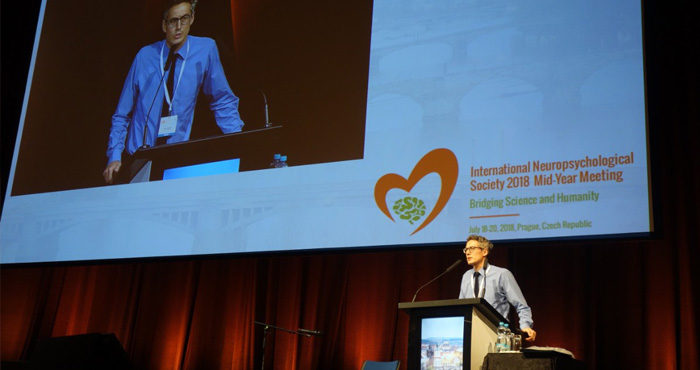
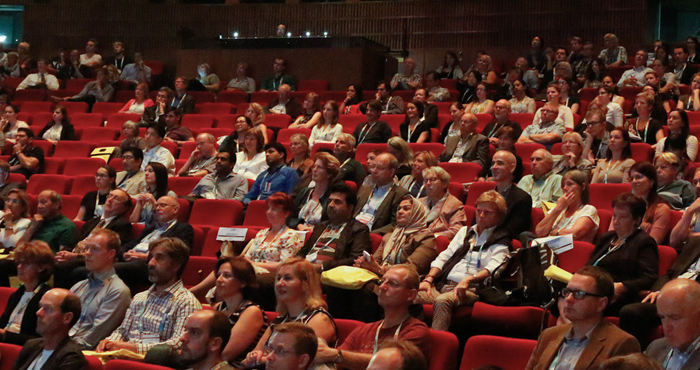
At the 2018 International Neuropsychological Society meeting in Prague, researchers and clinicians examined how scientific advances could support humane, culturally responsive care. That perspective remains valuable for understanding persistent pain: effective management must address the person’s cognition, behavior, relationships, and daily goals alongside sensory symptoms.
How pain becomes persistent
Acute pain normally protects the body, but repeated or prolonged nociceptive input can alter neural processing. In central sensitization, the brain and spinal cord become more responsive to signals, so ordinary touch, movement, or pressure may feel painful. Changes in pain modulation can also reduce the body’s ability to dampen incoming signals.
Neuroplasticity does not mean that pain is imaginary. It describes real changes in neural networks involved in sensation, salience, threat detection, and emotion. These changes may interact with inflammation, nerve injury, hormonal factors, and musculoskeletal conditions, creating a self-reinforcing cycle of discomfort and disability.
Cognition, emotion, and the pain experience
Attention strongly influences pain intensity. When a person continually monitors bodily sensations for danger, the brain may assign greater importance to each signal. Catastrophic interpretations, such as expecting movement to cause serious harm, can increase fear and avoidance, while flexible thinking can support gradual re-engagement.
Mood and sleep are equally important. Depression, anxiety, fatigue, and insomnia can lower pain tolerance and impair concentration, processing speed, and working memory. Neuropsychological assessment therefore considers whether cognitive complaints arise from pain itself, medication effects, emotional distress, poor sleep, or a neurological condition.
Assessing function rather than symptoms alone
A comprehensive evaluation combines the patient’s account with measures of attention, executive function, memory, mood, coping, activity, and quality of life. Clinicians may explore pain-related beliefs, avoidance patterns, medication use, work demands, and the difference between reported intensity and functional impact.
Assessment should also be sensitive to language, education, culture, and access to care. A person who struggles with a formal questionnaire may have difficulty with literacy or translation rather than impaired cognition. In related neurological populations, discussions of neuropsychology in multiple sclerosis show why disease context and individual variability must be considered when interpreting cognitive symptoms.
| Clinical domain | What may be examined | Useful management direction |
|---|---|---|
| Sensory processing | Intensity, triggers, allodynia, distribution | Medical review and pain education |
| Cognition | Attention, memory, planning, mental fatigue | Pacing, routines, compensatory strategies |
| Emotion | Anxiety, depression, threat appraisal | Psychological therapy and mood treatment |
| Behavior | Avoidance, overactivity, inconsistent pacing | Graded activity and behavioral planning |
| Daily function | Sleep, work, relationships, independence | Individualized rehabilitation goals |
Treatments that target the whole system
Pain neuroscience education can help patients understand sensitization, flare-ups, and the difference between discomfort and tissue damage. Clear explanations reduce fear without dismissing symptoms. Education works best when paired with practical goals, such as returning to valued activities or improving sleep consistency.
Cognitive behavioral therapy, acceptance and commitment therapy, mindfulness-based approaches, and biofeedback can change unhelpful responses to pain. Physical rehabilitation adds graded movement, strengthening, posture work, and pacing. Medication may be appropriate for some conditions, but neuropsychological monitoring is useful when analgesics affect alertness, memory, or decision-making.
Practical priorities for clinicians
A humane plan treats the patient as an expert on their own experience while adding professional knowledge about brain-body mechanisms. Collaborative goal setting is more effective than focusing exclusively on a numerical pain score, particularly when symptoms fluctuate or complete elimination is unrealistic.
Interdisciplinary communication also matters. Physicians, psychologists, occupational therapists, physiotherapists, nurses, and social workers can coordinate strategies so that recommendations do not conflict. Useful priorities include:
- Explain pain mechanisms in clear, non-stigmatizing language.
- Screen for sleep disruption, mood symptoms, medication effects, and cognitive fatigue.
- Set functional goals that are specific, gradual, and personally meaningful.
- Use pacing to balance activity with recovery rather than promoting prolonged avoidance.
- Reassess progress through participation, independence, and quality of life.
Culture, context, and compassionate care
Pain is communicated through language, behavior, and culturally shaped beliefs about illness. Family expectations, employment conditions, financial pressure, migration experiences, and access to rehabilitation can all influence recovery. A treatment plan that ignores these factors may appear ineffective when the real barrier lies outside the clinic.
Clinicians should avoid treating pain behavior as proof of exaggeration or poor motivation. Validation and careful examination can coexist. The goal is to recognize suffering, identify changeable mechanisms, and help each person build reliable skills for managing symptoms and restoring participation.
Neuropsychology brings together neuroscience, clinical reasoning, and respect for lived experience. By connecting assessment with rehabilitation and patient priorities, chronic pain care can move beyond symptom control toward better function and a more sustainable daily life.
Explore the meeting’s research-led perspective on brain, behavior, and compassionate clinical practice to deepen understanding of persistent pain and support more individualized care.
General Information
Important information about the meetingIndustry
Support and exhibition opportunitiesCzech Republic
Beautiful country situated in the very heart of EuropeContact
How can we help you?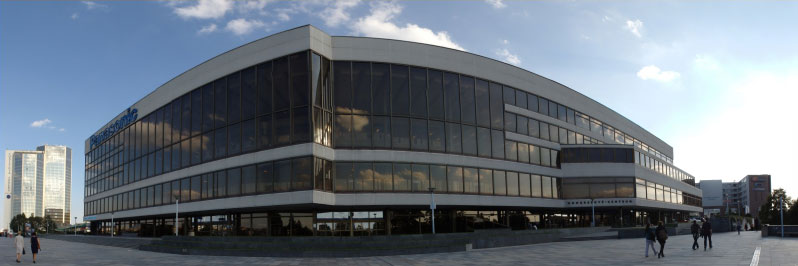
Prague Congress Centre (KCP)
5.května 65140 21 Prague 4
Czech Republic
Phone: +420 261 171 111
Website: www.kcp.cz