



Neuropsychology of Functional Neurological Disorder
Functional neurological disorder (FND) sits at the intersection of neurology, psychology, psychiatry, rehabilitation, and social experience. Patients may develop weakness, tremor, seizures, gait changes, sensory loss, or cognitive symptoms without the structural lesion traditionally expected to explain them. The symptoms are real, disabling, and often shaped by interacting brain, body, and environmental processes.
A neuropsychological perspective helps move care beyond the outdated assumption that unexplained symptoms are imaginary or deliberately produced. It examines attention, memory, executive functioning, emotion regulation, fatigue, illness beliefs, trauma exposure, and the effects of social context while keeping the patient’s neurological presentation central.
A Modern Model Of FND
Current clinical thinking describes FND as a disorder of nervous system functioning rather than a simple absence of structural disease. Predictive processing, altered attention, abnormal sense of agency, threat learning, and changes in motor control may contribute to symptoms. These mechanisms can operate alongside neurological illness, pain, sleep disturbance, or mood symptoms.
This model supports a positive diagnosis based on recognizable clinical signs, such as inconsistency, distractibility, entrainment of tremor, or preserved automatic movement. Neuropsychological assessment should therefore complement neurological examination rather than serve as a search for proof that symptoms are psychological.
Cognitive Symptoms And Everyday Function
People with FND frequently report concentration problems, slowed thinking, memory lapses, mental fatigue, and difficulty managing multiple demands. Standard test scores may be influenced by pain, poor sleep, medication, anxiety, depression, dissociation, or fluctuating attention. A single result cannot fully represent the patient’s daily cognitive experience.
Assessment is most useful when it links test performance to real activities. Clinicians can examine prospective memory, sustained attention, processing speed, and executive control, then compare findings with work, education, relationships, and self-care. Neuropsychology also clarifies whether compensatory strategies, pacing, environmental changes, or rehabilitation may improve participation.
Culture, Language, And Clinical Meaning
Cultural expectations influence how people describe distress, interpret bodily sensations, and seek medical help. Language can affect symptom narratives and test performance, especially when assessment occurs in a second language. Research on bilingual cognitive control illustrates why language experience and executive processes deserve careful consideration in neuropsychological interpretation.
Clinicians should use qualified interpreters when needed, avoid treating unfamiliar idioms as evidence of inconsistency, and select measures with appropriate cultural norms. A culturally responsive interview can reveal family responsibilities, migration stress, stigma, spiritual beliefs, and health-care experiences that influence recovery without reducing FND to any one social factor.
Assessment And Differential Diagnosis
A thorough evaluation begins with the patient’s timeline, symptom triggers, neurological findings, medication use, sleep, pain, psychiatric history, and current demands. Neuropsychological testing may help identify cognitive vulnerabilities, functional patterns, and comorbid conditions, but it should not be used as a gatekeeping exercise or as a substitute for a positive neurological diagnosis.
| Clinical focus | Questions to examine | Possible care implication |
|---|---|---|
| Attention and fatigue | When do symptoms worsen, and what improves focus? | Pacing, rest planning, reduced cognitive load |
| Memory complaints | Is the difficulty encoding, retrieving, or sustaining attention? | External memory aids and targeted strategy training |
| Motor and sensory symptoms | Are symptoms affected by attention, distraction, or automatic movement? | Education and physiotherapy using positive signs |
| Emotional and autonomic factors | How do threat, arousal, pain, and sleep affect symptoms? | Regulation skills, psychological therapy, medical review |
| Participation | What prevents work, study, mobility, or social engagement? | Coordinated rehabilitation and accommodations |
Assessment findings should be explained in plain language. A useful feedback session connects brain functioning with symptoms while emphasizing that functional means changeable and involuntary, not fabricated. This framing can reduce shame and support engagement with rehabilitation.
Treatment Through Coordinated Care
FND treatment commonly involves education, physiotherapy, occupational therapy, speech and language therapy, psychological intervention, and neurological follow-up. The exact combination depends on the presentation. Motor retraining may focus on automatic movement and attention shifts, while cognitive rehabilitation can address fatigue, planning, and memory strategies.
Psychotherapy may help with symptom attention, avoidance, trauma-related distress, anxiety, depression, or maladaptive illness beliefs, but it should not be presented as a requirement to prove that symptoms are emotional. Trust grows when clinicians acknowledge physical disability, explain mechanisms clearly, and agree on realistic functional goals.
Building Humane Neuropsychological Practice
Effective communication is a clinical intervention. Patients often arrive after years of invalidation, repeated investigations, or conflicting explanations. A clinician who names the diagnosis confidently, describes positive examination findings, and validates the symptoms can create a foundation for change.
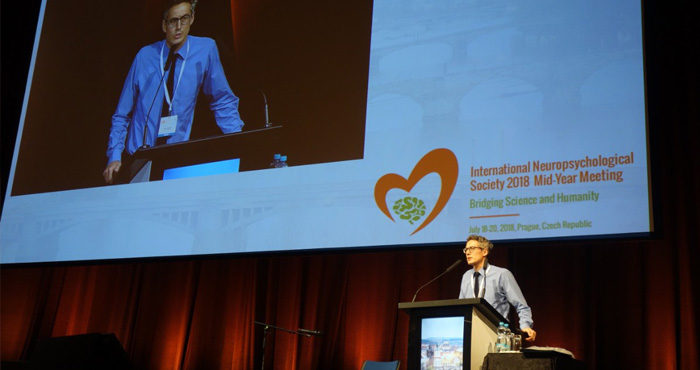
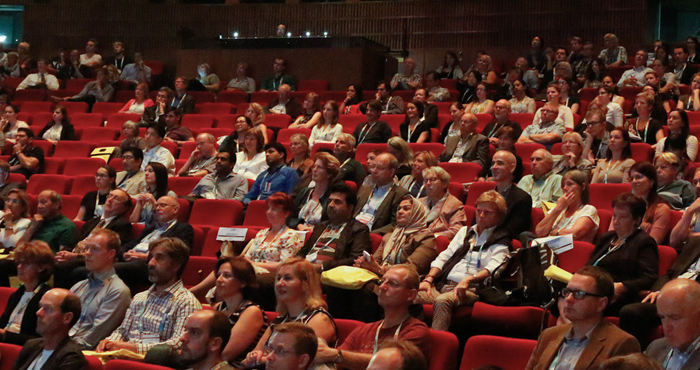
Professional meetings also help specialists share practical language and develop integrated care pathways. Informal exchange, including events such as the welcome cocktail, can strengthen collaboration between researchers, clinicians, trainees, and patient-centered services. The value lies in carrying those conversations into accessible assessment and consistent treatment.
Priorities For Clinical Teams
- Use a positive, evidence-based diagnosis alongside appropriate neurological review.
- Assess cognition in relation to fatigue, sleep, pain, mood, medication, and daily participation.
- Adapt interviews, interpreters, and test norms to the patient’s language and cultural context.
- Coordinate neuropsychology with physiotherapy, occupational therapy, speech therapy, and psychological care.
- Explain FND as a genuine and potentially reversible disorder of nervous system functioning.
Neuropsychology contributes its greatest value when it combines scientific precision with respect for lived experience. Clinicians, researchers, and trainees can deepen that work by studying mechanisms, refining culturally appropriate assessments, and sharing communication practices that help patients move from uncertainty toward informed, collaborative care.
General Information
Important information about the meetingIndustry
Support and exhibition opportunitiesCzech Republic
Beautiful country situated in the very heart of EuropeContact
How can we help you?
Prague Congress Centre (KCP)
5.května 65140 21 Prague 4
Czech Republic
Phone: +420 261 171 111
Website: www.kcp.cz