



Cognitive Reserve And Healthy Aging In Prague
Aging does not affect every brain in the same way. Some adults maintain memory, attention, and flexible thinking despite measurable neurological changes, while others experience substantial difficulty after relatively modest injury or disease. This difference has made cognitive reserve an important concept in contemporary neuropsychology.
Cognitive reserve describes the brain’s ability to cope with age-related changes through flexible strategies, efficient networks, and accumulated intellectual resources. Education, occupational complexity, social engagement, physical activity, and lifelong learning may all contribute, although reserve is not a fixed shield against dementia or neurological illness.
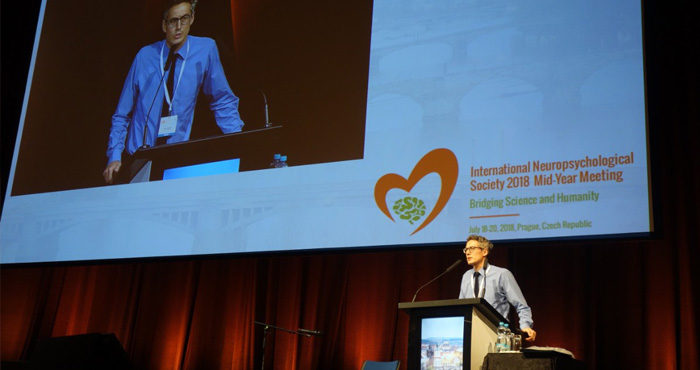
The 2018 International Neuropsychological Society mid-year meeting in Prague offered a fitting setting for examining this relationship between scientific discovery and humane care. Held from July 18–20, the meeting connected neuroscience, clinical practice, cultural awareness, and patient-centered neuropsychology.
Why Reserve Matters In Later Life
Two people with similar brain imaging findings can show very different levels of day-to-day independence. One may compensate by drawing on language skills, routines, or problem-solving habits; another may struggle with work, medication management, or social communication. Reserve helps explain this gap without reducing aging to a simple measure of brain volume or test score.
The concept also changes how clinicians interpret assessment results. A high-performing older adult may conceal early decline until disease has progressed, whereas a person with fewer educational opportunities may show impairment earlier on formal testing. Accurate evaluation therefore requires knowledge of background, culture, language, health history, and usual functioning.
From Neuroscience To Clinical Practice
A Prague symposium preview on Cognitive Reserve in Aging Populations: A Prague Symposium Preview would naturally bring several levels of evidence together. Neuropsychological testing can identify patterns of strength and weakness, while imaging and neuroscience may clarify how distributed brain networks support compensation.
Clinical work adds another essential layer. The meaningful question is not only whether an older person recalls a word list, but whether they can manage finances, follow medical instructions, use public transport, sustain relationships, and adapt when familiar routines change. Ecological interviews and reports from family or caregivers can make those abilities visible.
A Framework For Comparing Aging Outcomes
Reserve is best treated as a dynamic influence rather than a single trait. Someone may have strong educational and occupational resources but lose functional resilience after stroke, depression, sleep disruption, sensory loss, or social isolation. Conversely, targeted rehabilitation and environmental support can help people use remaining abilities more effectively.
| Dimension | Lower apparent reserve | Stronger apparent reserve | Clinical implication |
|---|---|---|---|
| Cognitive flexibility | Relies heavily on familiar routines | Adapts strategies when conditions change | Assess novel problem-solving |
| Educational experience | May be less familiar with formal testing | Often benefits from test-taking practice | Interpret scores in context |
| Social engagement | Fewer opportunities for mental stimulation | Regular interaction and shared activities | Consider isolation as a risk factor |
| Everyday compensation | Errors become visible quickly | Uses reminders, routines, or assistance | Measure function beyond test scores |
| Response to illness | Small insults may cause major disruption | Greater short-term coping capacity | Plan individualized rehabilitation |
This framework also guards against overgeneralization. Reserve can delay the appearance of symptoms, but it does not eliminate biological vulnerability. A nuanced assessment considers both protective resources and the conditions that may overwhelm them.
Culture And Context In Assessment
Cultural background influences what counts as intellectual experience, how symptoms are described, and which cognitive tasks feel familiar. Years of informal caregiving, multilingual communication, skilled manual work, or community leadership may represent substantial cognitive complexity even when formal schooling was limited.
For an international meeting in Prague, cultural neuropsychology was especially relevant. Clinicians working across languages and health systems need appropriate norms, qualified interpreters, and sensitivity to different expectations about aging, family responsibility, and independence. These considerations improve diagnostic fairness and the quality of treatment planning.
Lessons From Related Neuropsychology
Reserve research also benefits from comparison with conditions that challenge attention, memory, and executive control more abruptly. Concussion and post-concussion symptoms, for example, show how sleep, mood, prior neurological history, and environmental demands can influence recovery alongside the original injury. The meeting’s post-concussion research provides a useful adjacent perspective.
This connection matters for older adults. A minor head injury may expose previously compensated weaknesses, while pre-existing cognitive changes can complicate recovery. Careful baseline information, repeated assessment, and communication with families help distinguish temporary disruption from a more persistent decline.
Prague As A Setting For Exchange
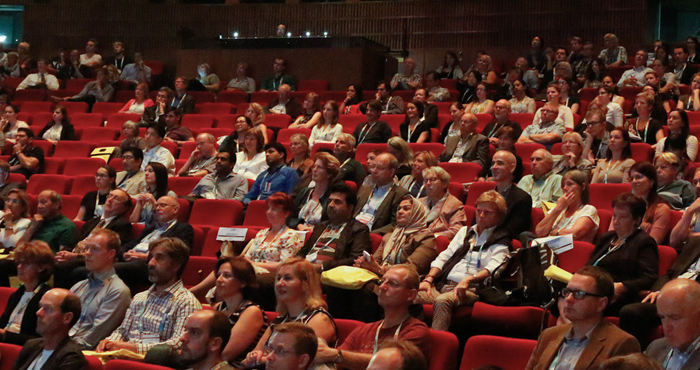
A conference devoted to bridging scientific advances with humane patient care could support exactly the kind of interdisciplinary discussion reserve requires. Researchers, clinicians, students, and allied professionals can compare evidence from dementia, rehabilitation, traumatic brain injury, aging, and community health rather than treating each field in isolation.
The archived INS 2018 program also reflects the practical character of the meeting, including program information, poster listings, continuing education workshops, venue guidance, and transport details. Those materials help place reserve within the broader professional conversation of the Prague gathering.
Practical Priorities For Clinicians And Researchers
A useful reserve-informed approach should combine measurement with context and follow people over time. The following priorities can strengthen both research design and clinical care:
- Record education, work history, languages, hobbies, social participation, and usual daily responsibilities.
- Use culturally appropriate norms and explain how background factors may affect test performance.
- Pair standardized cognitive measures with functional reports and real-world observation.
- Address modifiable influences such as hearing, sleep, mood, cardiovascular health, and isolation.
- Reassess after illness or injury instead of treating a single score as a permanent label.
Cognitive reserve is most valuable when it leads to practical support. Individualized rehabilitation, meaningful activity, compensatory technology, and family education can preserve autonomy even when neurological disease cannot be reversed.
Explore the Prague meeting’s archived resources to trace how neuropsychology connected brain science with real patient needs. The program and related materials remain a useful starting point for studying aging, resilience, cultural interpretation, and compassionate clinical practice.
General Information
Important information about the meetingIndustry
Support and exhibition opportunitiesCzech Republic
Beautiful country situated in the very heart of EuropeContact
How can we help you?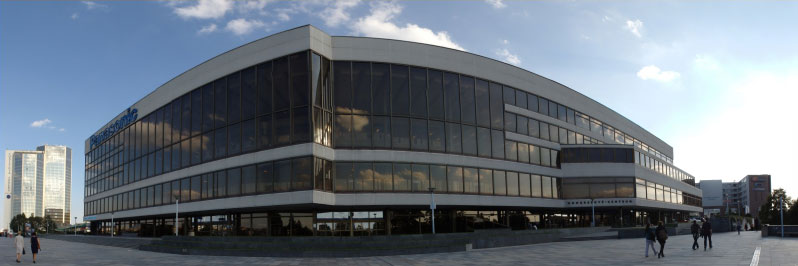
Prague Congress Centre (KCP)
5.května 65140 21 Prague 4
Czech Republic
Phone: +420 261 171 111
Website: www.kcp.cz