



Current Trends In Pediatric Brain Tumor Survivorship Research
Advances in pediatric oncology have increased survival after brain tumors, creating a growing need to understand what happens after treatment ends. Survivorship research now follows children across development rather than treating discharge from oncology care as the final milestone. Attention has shifted toward learning, behavior, participation, emotional health, and quality of life over many years.
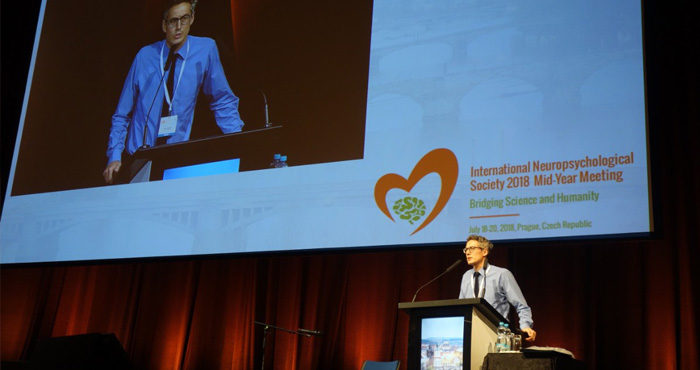
This direction reflects the broader mission associated with the INS 2018 meeting in Prague: connecting neuroscience and clinical evidence with humane, culturally responsive patient care. For children treated with surgery, radiation, chemotherapy, or combinations of these approaches, recovery is rarely measured by one scan or one cognitive assessment.
The strongest research programs therefore combine neuropsychology, rehabilitation, education, oncology, and family perspectives. They also recognize that late effects can emerge when academic, social, and vocational demands become more complex.
Survival Is A Longitudinal Outcome
A central trend is the move from short-term treatment outcomes to lifespan surveillance. Researchers examine how tumor location, age at diagnosis, treatment intensity, endocrine complications, seizures, fatigue, and sleep interact over time. A child may appear stable during early follow-up but experience new difficulties during school transitions or adolescence.
Longitudinal cohorts are especially valuable because they reveal changing patterns rather than isolated scores. Repeated assessments can distinguish delayed skill acquisition from a loss of previously learned abilities, while electronic health records and patient-reported outcomes help connect clinical events with daily functioning.
From Cognitive Scores To Everyday Function
Neuropsychological testing remains important, but survivorship studies increasingly ask whether test results predict real-world participation. Working memory, processing speed, attention, and executive skills may affect homework completion, peer relationships, independence, and later employment. These outcomes are often more meaningful to families than a single standardized score.
Researchers are also evaluating interventions that can be delivered across settings. Cognitive rehabilitation, classroom accommodations, caregiver coaching, psychological support, and physical activity programs may work best when coordinated rather than offered as unrelated services. Functional endpoints make it easier to judge whether an intervention changes a child’s lived experience.
Precision Monitoring Across Development
Risk-adapted follow-up is becoming more sophisticated. Instead of applying the same assessment schedule to every survivor, teams can combine clinical history, treatment exposures, neuroimaging, endocrine data, and developmental information to identify children who need earlier support.
Digital tools may strengthen this approach. Remote questionnaires, school-based monitoring, wearable measures of sleep or activity, and computerized tasks can capture changes between clinic visits. These tools should supplement, rather than replace, professional judgment, because access to technology and familiarity with digital testing vary widely.
| Research shift | Practical value | Examples of outcomes |
|---|---|---|
| One-time testing to repeated assessment | Detects emerging or changing late effects | Learning, attention, processing speed |
| Clinic-centered care to ecological monitoring | Shows how symptoms affect daily life | Attendance, independence, participation |
| Group averages to risk-adapted follow-up | Directs support toward higher-need survivors | Treatment exposure, endocrine risk, fatigue |
| Disease outcomes to quality-of-life outcomes | Centers the child’s priorities | Mood, relationships, school satisfaction |
Cultural And Social Context
Cultural identity, language, socioeconomic conditions, and local education systems shape how survivorship is experienced. A test developed in one population may not carry the same meaning in another, particularly when language proficiency, schooling opportunities, or expectations about independence differ. Researchers need careful norms, transparent interpretation, and culturally informed interviews.
This concern connects with the wider debate on cultural test bias, which remains relevant when comparing pediatric survivors across countries and communities. A fair assessment process should consider whether a low score reflects neurological change, limited educational access, language mismatch, emotional distress, or unfamiliar testing conditions.
Social determinants are also becoming recognized as clinical variables. Transportation, insurance, caregiver work schedules, housing stability, and access to special education can influence outcomes after treatment. Survivorship research that records these factors can identify barriers that medical measures alone cannot explain.
Data Sharing And Patient Partnership
Multicenter collaboration is essential because pediatric brain tumors are relatively uncommon and survivors can have highly varied treatment histories. Harmonized measures allow researchers to compare findings across hospitals and countries, while shared data standards improve the reproducibility of studies.
Patient and family involvement is another important development. Survivors can help define meaningful outcomes, identify burdensome assessments, and explain which changes matter at home or school. Partnership may also improve recruitment and make research communication clearer, especially when studies involve long follow-up periods.
Priorities For Clinical Research
Future studies should connect biological information with the environments in which children learn and grow. The following priorities can help make survivorship evidence more useful:
- Build prospective studies that follow survivors through major educational and developmental transitions.
- Include school participation, family functioning, mental health, and independence alongside cognitive test scores.
- Develop culturally and linguistically appropriate assessment tools with transparent normative data.
- Test accessible interventions that can be delivered through clinics, schools, telehealth, and community services.
- Report outcomes in ways that families, educators, and clinicians can apply to individual care.
Researchers should also measure implementation: whether a promising program reaches eligible families, remains affordable, and fits ordinary clinical workflows. Evidence has limited value when services cannot be sustained outside a specialized research center.
The next phase of pediatric survivorship science should unite precision monitoring with compassion and practical support. Clinicians, investigators, educators, and survivor communities can turn these priorities into better follow-up plans by sharing data responsibly, listening to lived experience, and designing care around the child’s future rather than the tumor alone.
General Information
Important information about the meetingIndustry
Support and exhibition opportunitiesCzech Republic
Beautiful country situated in the very heart of EuropeContact
How can we help you?
Prague Congress Centre (KCP)
5.května 65140 21 Prague 4
Czech Republic
Phone: +420 261 171 111
Website: www.kcp.cz