



Cultural Adaptations of the Wechsler Scales for International Use
Neuropsychological assessment depends on more than translating instructions from one language to another. The Wechsler scales must also reflect differences in education, language exposure, social expectations, test familiarity, and access to learning opportunities. Cultural adaptation therefore requires careful research alongside clinical judgment.
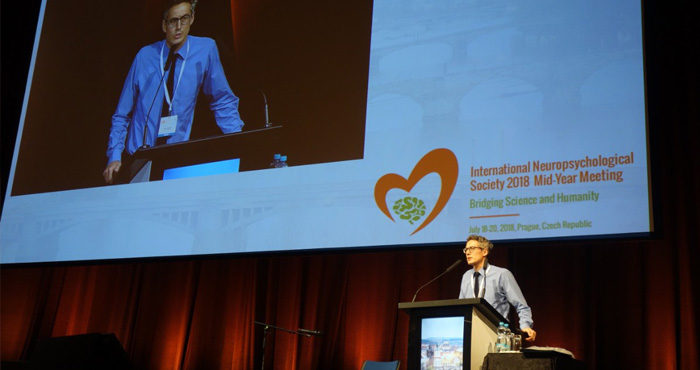
The 2018 International Neuropsychological Society mid-year meeting in Prague provided a fitting setting for examining these issues. Its focus on scientific progress, humane patient care, neuroscience, and clinical practice encouraged participants to consider how standardized measures function in real communities.
For clinicians and researchers, the central question is practical: how can an assessment remain psychometrically sound while representing the person being tested fairly? This involves examining every stage, from translation and norm development to interpretation and communication of results.
Why Cultural Adaptation Matters
A test can be linguistically accurate yet culturally inappropriate. Idioms may have no direct equivalent, examples may assume unfamiliar experiences, and timed tasks may reward educational practices that are not shared across countries. These differences can affect scores without reflecting a genuine cognitive weakness.
The Wechsler scales are widely used because they provide a structured view of intellectual functioning and specific cognitive abilities. Their international value increases when adaptations preserve the underlying construct while removing unnecessary cultural barriers. That balance is difficult, but it is essential for responsible diagnosis.
Translation Is Only the First Step
High-quality adaptation usually begins with forward translation, independent review, back translation, and testing with members of the intended population. Expert panels can identify ambiguous wording, inappropriate references, and differences in how children or adults understand examiner instructions.
Pilot administration is equally important. Respondents may reveal problems that are invisible to translators, including confusing response options or examples that feel unnatural. Cognitive interviewing can show how participants interpret a question, while field testing indicates whether revised items perform consistently across age and education groups.
Building Representative Norms
Normative data should reflect the population in which the assessment will be used. Age, schooling, region, language, socioeconomic conditions, and urban or rural background may all influence performance. A sample drawn from one major city cannot automatically represent an entire country.
Researchers must also decide whether local norms, regional norms, or carefully justified international comparisons are appropriate. Small samples can make scores unstable, while broad samples may conceal meaningful variation. Transparent reporting helps clinicians understand the limits of a score rather than treating it as a universal label.
| Adaptation Area | Key Question | Clinical Risk If Ignored |
|---|---|---|
| Language | Do translated instructions preserve meaning and difficulty? | Misunderstood tasks may resemble impairment |
| Content | Are examples familiar without giving an unfair advantage? | Cultural knowledge may be mistaken for reasoning ability |
| Education | Does the sample reflect varied schooling experiences? | Limited educational access may depress scores |
| Norms | Do reference groups match the examinee? | Percentiles may exaggerate or hide differences |
| Interpretation | Are results integrated with history and context? | Scores may lead to inaccurate diagnoses |
Interpreting Scores With Context
A standardized score should be considered alongside developmental history, language proficiency, educational opportunity, migration experience, and current emotional or medical factors. This is especially important when the examinee was educated in a different language from the assessment language or has moved between cultural settings.
Clinicians should avoid interpreting a low score as proof of disorder when the task may depend on unfamiliar vocabulary or culturally specific knowledge. Patterns across index scores can offer useful clues, but uneven performance still requires cautious analysis. Qualitative observations, behavioral notes, and collateral information can clarify whether a result reflects cognition, communication, or test conditions.
Technology and Clinical Access
Digital tools may support culturally responsive assessment, but technology does not remove the need for adaptation. A computerized interface can standardize timing and administration, yet it may introduce unfamiliar navigation demands or exclude people with limited digital experience. Accessibility, device availability, and privacy must be considered before implementation.
Related innovations can broaden assessment research when they are validated carefully. The conference archive’s discussion of virtual reality assessment illustrates how immersive methods may capture attention, memory, and everyday functioning in more realistic contexts. Such tools should complement, rather than replace, established measures until cross-cultural reliability is demonstrated.
Practical Standards for International Use
Researchers and practitioners can strengthen assessment quality by applying several safeguards:
- Use translators and clinicians who understand both the source and target cultures.
- Test adapted items with diverse participants before clinical release.
- Report sample characteristics, exclusion criteria, and limitations clearly.
- Combine standardized scores with history, observation, and functional evidence.
- Provide interpreters and accessible explanations when language barriers remain.
Training is another essential safeguard. Examiners need to know which procedures must remain standardized and where culturally informed clinical judgment is appropriate. They should also recognize that an interpreter, bilingual examiner, or translated report can influence administration and interpretation.
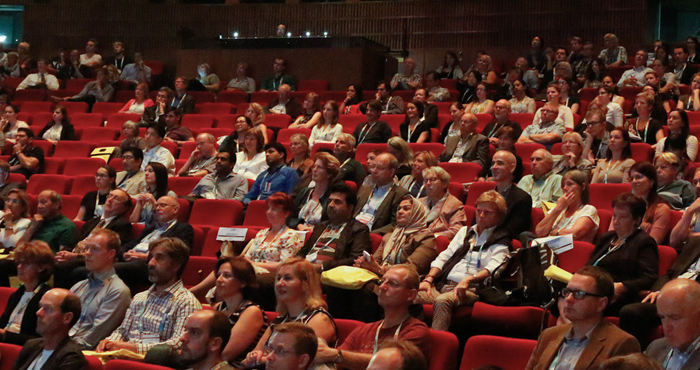
International meetings help connect these technical concerns with everyday practice. In Prague, workshops, poster sessions, continuing education, and clinical discussions offered opportunities to examine how research findings translate into patient care. Informal exchanges matter as well; the Prague meeting dinner created a setting where professionals from different regions could compare experiences beyond formal presentations.
Carrying the Work Forward
Cultural adaptation is an ongoing process rather than a single publication or revised manual. New migration patterns, educational systems, languages, and technologies continually reshape the populations served by neuropsychologists. Regular validation studies are needed to determine whether an assessment remains fair and clinically useful.
The INS 2018 Prague materials remain relevant because they connect measurement science with humane care. Exploring the program, poster listings, workshops, and related resources can help practitioners evaluate how international assessment standards are developed and how they can be applied thoughtfully in local settings. Use those resources to support evidence-based, culturally informed decisions in neuropsychological practice.
General Information
Important information about the meetingIndustry
Support and exhibition opportunitiesCzech Republic
Beautiful country situated in the very heart of EuropeContact
How can we help you?
Prague Congress Centre (KCP)
5.května 65140 21 Prague 4
Czech Republic
Phone: +420 261 171 111
Website: www.kcp.cz