



New directions in pediatric brain tumor research
Pediatric brain tumor research is moving beyond broad diagnoses toward a detailed understanding of tumor biology, brain development, cognition, and family experience. The most promising work connects molecular science with care that protects learning, communication, emotional health, and participation in everyday life.
The field’s direction reflects a central neuropsychological concern: survival is an essential outcome, but it is not the only one. Children may live for decades after treatment, making attention, memory, language, school progress, social development, and quality of life important measures of success.
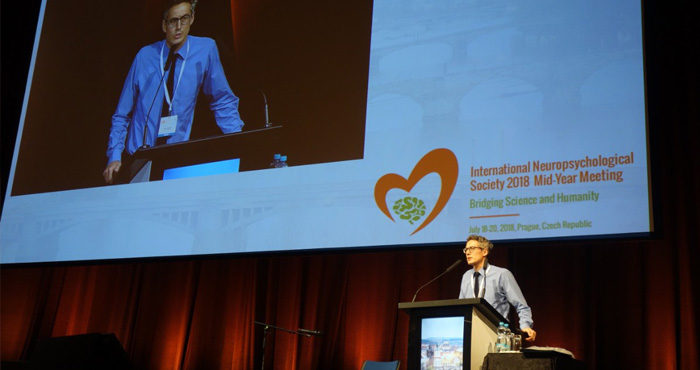
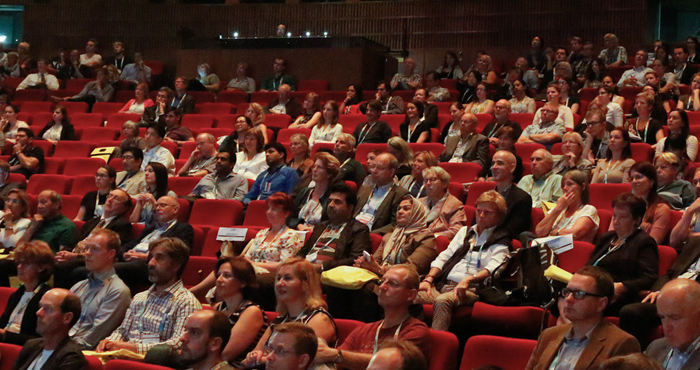
The 2018 International Neuropsychological Society meeting in Prague offered a useful setting for considering these connections. Its emphasis on scientific progress, humane patient care, cultural awareness, and clinical application remains relevant to current investigations of childhood brain tumors.
From tumor labels to molecular maps
Traditional classifications grouped tumors by appearance and location. Modern pediatric neuro-oncology increasingly uses genomic sequencing, epigenetic signatures, RNA profiles, and pathway analysis to distinguish biologically different diseases that may look similar under a microscope. This precision can guide treatment selection and clarify why children respond differently to the same therapy.
Molecular profiling also supports more focused clinical trials. Instead of testing one drug across a large and biologically mixed diagnosis, researchers can study treatments matched to a specific mutation, fusion, methylation pattern, or signaling pathway. This approach may reduce unnecessary exposure to ineffective therapies while accelerating the development of targeted medicines.
Smarter imaging and fluid biomarkers
Advanced magnetic resonance imaging can reveal more than tumor size. Diffusion, perfusion, spectroscopy, functional connectivity, and radiomic analysis may help identify tumor grade, treatment response, infiltration, and changes in surrounding tissue. Combining these techniques with artificial intelligence could give clinicians more sensitive ways to track disease over time.
Researchers are also examining cerebrospinal fluid and blood for circulating tumor DNA, proteins, and other biological signals. These liquid biopsies could complement tissue sampling, particularly when a tumor is difficult to access surgically. Their value will depend on rigorous validation, consistent laboratory methods, and careful interpretation in children whose bodies and brains are still developing.
Preserving cognition during treatment
Surgery, radiation, chemotherapy, seizures, hydrocephalus, and inflammation can all affect cognitive development. New research therefore pairs tumor control with strategies for reducing neurotoxicity. Proton therapy, refined radiation planning, adaptive treatment schedules, and rehabilitation may help limit damage to healthy networks.
Longitudinal neuropsychological assessment is central to this effort. Repeated evaluation can identify changes in processing speed, executive function, working memory, language, and academic skills before they become major barriers. Work on bilingual brain research is also relevant when clinicians assess children whose language experience differs from the norms used in standard testing.
| Research approach | Main strength | Key limitation | Clinical value |
|---|---|---|---|
| Genomic and epigenetic profiling | Identifies biologically distinct tumor groups | Results may require specialized laboratories | Treatment matching and trial design |
| Advanced MRI | Tracks structure, function, and treatment response | Interpretation can vary across centers | Monitoring disease and healthy tissue |
| Liquid biopsy | Offers a minimally invasive source of tumor signals | Biomarkers may be difficult to detect | Earlier detection of recurrence or resistance |
| Longitudinal neuropsychology | Measures real-world developmental effects | Requires extended follow-up | Rehabilitation and educational planning |
Research that reflects real childhoods
A child’s outcome is shaped by more than tumor biology. Age at diagnosis, family resources, school support, health literacy, language, geography, and cultural expectations can influence treatment access and recovery. Studies that recruit diverse populations are more likely to produce findings that apply across communities rather than only to families treated at major research hospitals.
Patient-reported outcomes and caregiver reports should sit beside laboratory and imaging measures. Fatigue, pain, anxiety, independence, friendships, and classroom participation may reveal meaningful changes that a scan cannot capture. Including children and families in research design can also improve the relevance of assessments and communication materials.
From discovery to coordinated care
The strongest translational models bring together neurosurgeons, oncologists, radiologists, neuropsychologists, rehabilitation specialists, educators, social workers, and primary-care providers. Shared data systems can help teams connect treatment history with cognitive trajectories, school needs, and late effects across many years.
Continuing education is important because new molecular classifications and therapies quickly change clinical practice. Conference resources, workshops, and poster discussions can help professionals exchange methods and recognize where evidence remains incomplete. The broader setting matters too: exploring historic Prague venues reflects how professional meetings create space for collaboration beyond formal sessions.
Priorities for better pediatric neuro-oncology
Research programs can become more useful and equitable by focusing on a few practical commitments:
- Include cognitive, emotional, educational, and functional outcomes in trials from the beginning.
- Build diverse, multicenter cohorts with long-term follow-up after treatment.
- Standardize neuropsychological measures, imaging protocols, and liquid-biopsy methods.
- Share results clearly with children, caregivers, schools, and community clinicians.
- Design interventions that address access, language, transportation, and financial barriers.
These priorities connect laboratory discovery with the daily realities of survivorship. They also encourage researchers to treat development as a changing process rather than a fixed background variable.
The next generation of pediatric brain tumor studies can make treatment more precise while keeping the child’s future at the center. Explore the INS 2018 program, journal resources, clinical perspectives, and conference materials to trace how neuropsychology and neuroscience can work together in that mission.
General Information
Important information about the meetingIndustry
Support and exhibition opportunitiesCzech Republic
Beautiful country situated in the very heart of EuropeContact
How can we help you?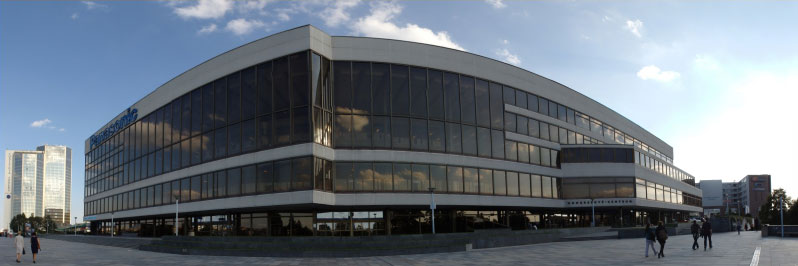
Prague Congress Centre (KCP)
5.května 65140 21 Prague 4
Czech Republic
Phone: +420 261 171 111
Website: www.kcp.cz