




Neuropsychology of Aging in Minority Populations
Aging is shaped by biology, lived experience, language, culture, and access to care. For neuropsychologists, understanding cognitive change in minority populations requires more than applying standard assessment tools to a wider group. It calls for attention to educational opportunity, migration history, health disparities, and the ways communities describe memory, independence, and wellbeing.
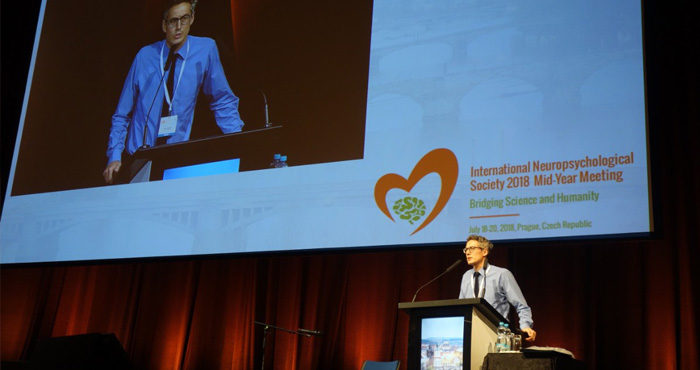
The International Neuropsychological Society’s 2018 mid-year meeting in Prague created a setting for connecting scientific advances with humane clinical practice. Its emphasis on neuroscience, cultural considerations, and patient care provides a useful framework for examining cognitive aging across ethnically, linguistically, and socially diverse communities.
This perspective remains valuable for clinicians, researchers, students, and families seeking fairer approaches to dementia assessment and healthy aging. It also reflects the conference’s broader purpose: translating research into care that respects the individual behind every test score.
Why Cultural Context Matters
Cognitive performance cannot be separated from a person’s cultural and social history. Years of schooling, literacy, bilingualism, employment, immigration, and familiarity with formal testing may influence results independently of neurological disease. A low score can therefore reflect limited test exposure or unequal educational access rather than progressive cognitive impairment.
Culturally responsive neuropsychology begins with a careful history. Clinicians should ask how a patient learned, worked, communicated, and managed daily responsibilities before interpreting memory, language, or executive-function findings. Family observations can add important information, particularly when relatives understand changes in customary roles and routines.
Health Inequities And Brain Aging
Minority older adults may experience higher exposure to vascular risk factors, environmental stress, inadequate healthcare access, and chronic discrimination. These conditions can affect brain health over decades, increasing the importance of prevention and early intervention. A person’s cognitive profile may reflect the cumulative effects of social determinants as well as age-related neurological change.
Research on dementia disparities should therefore include more than prevalence estimates. It should examine who receives referrals, who completes diagnostic evaluations, which treatments are offered, and whether follow-up care is accessible. Community partnerships and trust-building are essential when previous medical experiences have created understandable caution.
Assessment Across Languages And Education
Multilingual assessment presents practical and ethical challenges. A patient may retrieve words more efficiently in one language, use different strategies across languages, or show culturally specific approaches to storytelling and problem-solving. Qualified interpreters and bilingual clinicians can help distinguish language difference from aphasia or broader cognitive decline.
Education-adjusted norms are also important, though they must be used thoughtfully. Normative data should reflect the patient’s age, language, educational quality, cultural background, and region whenever possible. A fair evaluation combines standardized measures with functional evidence, informant reports, behavioral observations, and an understanding of the patient’s everyday environment.
| Clinical consideration | Why it matters | Helpful response |
|---|---|---|
| Language background | Test language may not be the person’s strongest language | Use bilingual evaluation or a trained interpreter |
| Educational opportunity | Years of schooling may not reflect quality or literacy | Review educational history in detail |
| Cultural expectations | Ideas about aging and illness vary between communities | Ask how symptoms are understood by the patient and family |
| Health access | Delayed care can change the stage at diagnosis | Explore barriers to referral, transport, and treatment |
| Family roles | Relatives may provide essential functional information | Include informants with the patient’s consent |
Community Knowledge And Family Care
Families often notice subtle changes before they become visible in a clinic. They can describe missed appointments, altered financial judgment, changes in cooking, or difficulty navigating familiar places. Their reports should complement, rather than replace, the older adult’s own account and autonomy.
Community health workers, faith organizations, senior centers, and culturally specific support groups can improve outreach. Educational materials are more effective when they use familiar language, address stigma respectfully, and explain that cognitive symptoms deserve medical attention. These partnerships can also guide researchers toward questions that matter in daily life.
Social connection is relevant to care as well as research. Shared experiences can strengthen professional networks and cultural exchange; the Prague meeting’s meeting dinner reflected the value of bringing people together beyond formal sessions. Collaboration across disciplines and communities helps make aging research more representative.
Research Priorities For Inclusive Aging
Future studies should recruit participants from diverse racial, ethnic, linguistic, and socioeconomic groups from the beginning rather than treating inclusion as an afterthought. Recruitment targets alone are insufficient if measures, consent procedures, transportation, or study visits create barriers. Researchers should report who was excluded and why.
Longitudinal work is especially useful because it can separate lifelong differences in test performance from new decline. Studies should track functional outcomes, caregiver burden, quality of life, and access to services alongside biomarkers and cognitive scores. This broader evidence base can support interventions that are clinically meaningful and culturally acceptable.
Clinical Practices That Build Trust
Respectful communication is central to accurate diagnosis. Clinicians can explain uncertainty clearly, avoid jargon, check understanding, and give patients time to describe concerns in their own terms. Asking permission before involving relatives protects dignity while recognizing the practical role of family caregivers.
Useful recommendations include:
- Collect detailed information about language, schooling, migration, work, and health history.
- Select assessment tools with appropriate cultural and linguistic evidence.
- Combine test scores with functional observations and informant reports.
- Screen for treatable medical, psychiatric, sensory, and social contributors.
- Connect families with culturally relevant education, care planning, and community services.
The INS 2018 meeting’s program, workshops, poster themes, and Prague setting continue to represent a productive model for sharing knowledge across research and practice. Revisiting those resources can help professionals develop assessment and care strategies that recognize both neurological change and the diverse lives of older adults.
Explore the INS 2018 materials and use their cross-cultural perspective to support more equitable neuropsychological research, evaluation, and patient care.
General Information
Important information about the meetingIndustry
Support and exhibition opportunitiesCzech Republic
Beautiful country situated in the very heart of EuropeContact
How can we help you?
Prague Congress Centre (KCP)
5.května 65140 21 Prague 4
Czech Republic
Phone: +420 261 171 111
Website: www.kcp.cz