



INS 2018 highlights: what you missed
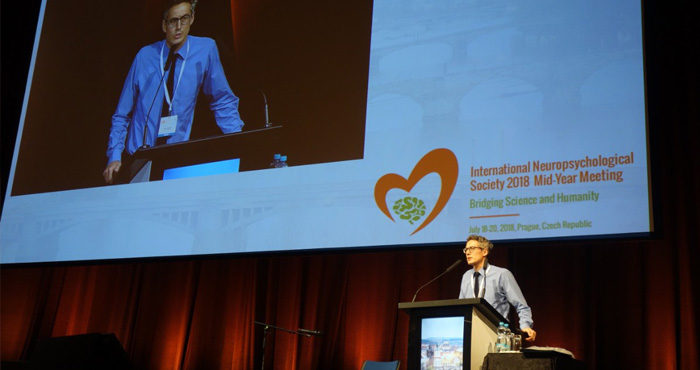
The International Neuropsychological Society’s mid-year meeting brought researchers, clinicians, students, and educators to Prague from July 18–20, 2018. Its program connected advances in brain science with the realities of assessment, rehabilitation, aging, and compassionate patient care.
The meeting stood out because it treated neuropsychology as both a scientific discipline and a human practice. Discussions reached beyond test scores and diagnostic categories to consider culture, communication, daily functioning, and the lived experience of neurological and psychiatric conditions.
For anyone reviewing the event after the fact, the most valuable highlights are found in the links between its scientific sessions, clinical workshops, poster research, and practical guidance for delegates. These elements created a broad picture of where neuropsychology was heading.
A meeting built around humane care
The central theme was the relationship between scientific progress and responsible clinical practice. New findings in neuroscience have value only when they help professionals understand patients more accurately, plan useful interventions, and communicate results with sensitivity.
Cultural considerations were especially important in that process. Neuropsychological performance can be influenced by language, education, social expectations, and access to healthcare. A culturally informed approach helps practitioners avoid treating a single score as a complete description of a person’s abilities.
From neuroscience to everyday practice
INS 2018 reflected the field’s growing interest in translating laboratory discoveries into clinical decisions. Presentations and posters addressed cognition, brain function, rehabilitation, and the assessment of changes across development and aging.
Healthy aging was an important part of this conversation. The evidence surrounding cognitive training requires careful interpretation, particularly when distinguishing improvements on practiced tasks from meaningful benefits in everyday life. This evidence review remains useful for readers examining how research can inform realistic expectations about cognitive interventions.
| Meeting focus | Practical question | Value for neuropsychology |
|---|---|---|
| Neuroscience | What do brain-based findings explain? | Strengthens assessment and theory |
| Clinical practice | How can evidence guide care? | Supports better intervention planning |
| Cultural factors | Does the method fit the patient’s context? | Improves fairness and interpretation |
| Healthy aging | Which changes are meaningful in daily life? | Encourages evidence-based prevention and support |
A program with several ways to learn
The official program combined scientific sessions with poster presentations and continuing education workshops. That mix gave attendees different ways to engage: formal talks for broad developments, posters for emerging studies, and workshops for applied skills.
Poster sessions were particularly valuable for seeing research at an earlier stage. They offered space for focused conversations about methods, participant groups, cognitive measures, and clinical implications. For students and early-career professionals, this format also made it easier to meet potential mentors and collaborators.
Workshops that connected knowledge with skill
Continuing education workshops added a practical dimension to the meeting. Neuropsychologists often need to integrate test selection, behavioral observations, interview findings, and contextual information within a limited clinical timeframe. Applied sessions can help turn general principles into repeatable professional habits.
The workshop format also supported discussion of difficult cases and ethical choices. Questions about informed consent, communicating uncertainty, adapting assessment procedures, and working with families are rarely solved by a single formula. They require judgment grounded in evidence and respect for the patient.
Prague as part of the experience
The venue and city information served a practical purpose, helping international delegates navigate registration, public transport, and the meeting location. For a global professional society, clear logistical support can make the difference between a stressful trip and an accessible learning experience.
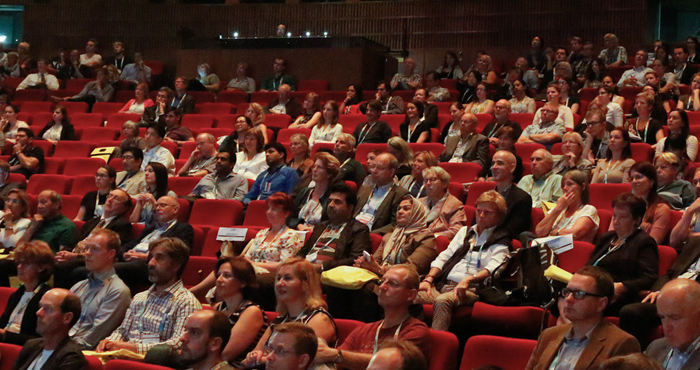
Prague also provided an appropriate setting for a meeting concerned with culture and connection. Informal conversations between sessions, during poster viewing, or after workshops often become the beginning of research partnerships and professional friendships. The photo gallery preserved some of that shared atmosphere beyond the three-day schedule.
What professionals could carry forward
The meeting’s most durable lessons can be summarized through a few practical priorities:
- Interpret cognitive findings within cultural, linguistic, medical, and social context.
- Connect neuroscience research to functional outcomes that matter in daily life.
- Treat continuing education as an opportunity to refine judgment, not just collect credits.
- Use poster discussions and professional networks to test ideas and build collaboration.
- Communicate limitations and uncertainty with the same care given to positive findings.
These principles apply across assessment, rehabilitation, aging research, pediatric services, and mental health care. They also show why a neuropsychology conference is more than a sequence of lectures: it is a place where evidence is examined through clinical and human perspectives.
Keep exploring the meeting’s legacy
INS 2018 remains relevant for readers interested in evidence-based neuropsychology, culturally responsive assessment, cognitive aging, and the practical use of neuroscience. Its combination of scientific exchange, professional training, and humane care offers a useful model for understanding how the discipline serves real people.
Explore the archived program, research themes, workshop materials, and event photographs to reconstruct the conversations that shaped the Prague meeting. Revisit these resources as a guide for thoughtful assessment, responsible cognitive health communication, and stronger connections between research and practice.
General Information
Important information about the meetingIndustry
Support and exhibition opportunitiesCzech Republic
Beautiful country situated in the very heart of EuropeContact
How can we help you?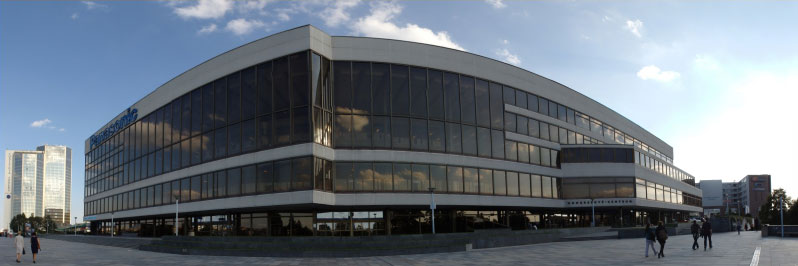
Prague Congress Centre (KCP)
5.května 65140 21 Prague 4
Czech Republic
Phone: +420 261 171 111
Website: www.kcp.cz