


Make Your INS 2018 Poster Conversation Count
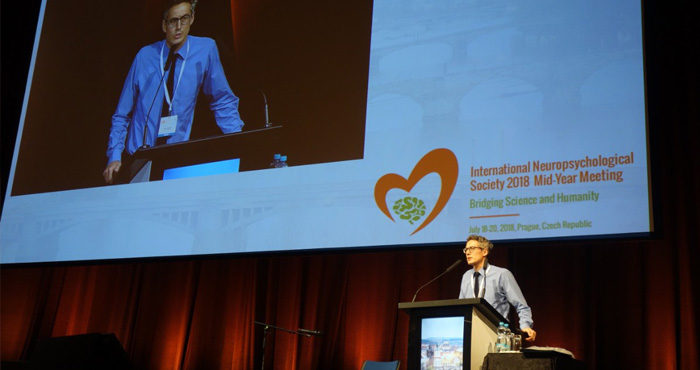
A poster session is more than a short presentation beside a printed board. At the INS 2018 meeting in Prague, the question-and-answer period offered a chance to explain your reasoning, discuss clinical relevance, and connect your findings with the wider neuropsychology community. Learn more about Keynote Speakers.
Effective preparation means knowing your study well enough to discuss it without reciting every line of the poster. You should be ready to summarize the central finding, acknowledge limitations, explain methodological choices, and relate the work to humane patient care and diverse cultural settings.
The strongest preparation for the INS 2018 poster Q&A combines scientific precision with conversational flexibility. Plan your key points, anticipate different kinds of questions, and practice responding in a way that is concise, respectful, and useful to both specialists and visitors from related fields.
Clarify Your Poster’s Core Message
Write a one-sentence description of your project before preparing anything else. It should identify the problem, the approach, and the main result without relying on technical abbreviations. This sentence becomes your anchor when a discussion moves quickly or a visitor asks for a broad explanation.
Next, select two or three supporting points. These might include an important numerical result, a clinical implication, or a finding that differs from previous research. Avoid trying to memorize every detail equally. A clear hierarchy helps you decide what to emphasize when the conversation lasts only a few minutes.
Study the Audience and Setting
Poster audiences vary widely. A researcher may ask about statistical power, a clinician may focus on practical application, and a student may need background on the condition or assessment tool. Prepare different explanations of the same result so that you can adjust your language without changing the evidence.
The meeting’s emphasis on neuroscience, clinical practice, cultural considerations, and patient care also makes context important. Review the conference themes and keynote perspectives so you can position your work within broader discussions rather than treating it as an isolated experiment.
Build Answers Around Evidence
Anticipate questions in several categories: purpose, participants, measures, analysis, interpretation, limitations, and future research. For each category, prepare a short answer followed by a deeper explanation. This structure prevents you from giving a lengthy response before you know how much detail the visitor wants.
When discussing limitations, be direct and specific. Explain how a small sample, a cross-sectional design, cultural factors, or measurement constraints affect interpretation. Then state what the study still contributes. A thoughtful limitation answer often builds credibility because it shows that you understand the boundaries of your claims.
| Likely Question | Useful Preparation | Response Focus |
|---|---|---|
| Why did you choose this method? | Review the main alternatives | Link the method to the research question |
| What is the most important finding? | Memorize one clear result | State the finding before explaining it |
| How does this apply clinically? | Identify a realistic implication | Separate evidence from speculation |
| What are the main limitations? | Prepare two specific limitations | Explain their effect on interpretation |
| What would you do next? | Define a feasible follow-up study | Show how it addresses an open issue |
Rehearse Flexible, Focused Responses
Practice aloud with a colleague who does not work in your exact specialty. Ask that person to interrupt, request clarification, and challenge an assumption. This rehearsal reveals jargon, unclear transitions, and answers that sound convincing in writing but are difficult to follow in speech.
Use a simple response pattern: acknowledge the question, answer it directly, and add one supporting detail. If you do not know the answer, say so without becoming defensive. You can explain what your data show, what they cannot establish, and which evidence would be needed to resolve the issue.
Plan for Prague and the Poster Hall
Practical preparation affects your confidence. Confirm the poster format, display instructions, session timing, registration details, and route to the venue. Bring a concise digital or printed summary of the study, along with notes on sample characteristics, key analyses, and definitions that may be difficult to recall under pressure.
Allow time to orient yourself in Prague before the meeting begins. The conference website’s Prague architecture guide can help you understand the city’s layout and plan travel around the venue. Arriving early gives you time to locate the poster area, check the display, and settle into the session before visitors arrive.
Use A Simple Conversation Strategy
Stand beside the poster rather than blocking it, keep your opening explanation brief, and invite the visitor to indicate which part interests them. Point to figures as you speak, but do not read the text aloud. A calm pace makes complex findings easier to absorb and leaves room for a genuine exchange.
A Practical Q&A Checklist
- Prepare a 30-second overview and a two-minute version of your study.
- Mark the three figures or sections you most want visitors to notice.
- Review the sample, measures, statistical approach, and principal limitations.
- Practice explaining clinical relevance without overstating the findings.
- Carry water, a pen, and a way to record useful follow-up contacts.
After each conversation, make a quick note of recurring questions. These comments can reveal which parts of the poster are unclear and help you refine future presentations. They also create opportunities to connect with researchers whose perspectives may extend the project.
Bring your prepared message, listen closely, and treat every question as an opportunity to make the research clearer. With focused rehearsal and careful attention to evidence, your INS 2018 poster discussion can become a memorable contribution to the meeting’s scientific and clinical exchange.
General Information
Important information about the meetingIndustry
Support and exhibition opportunitiesCzech Republic
Beautiful country situated in the very heart of EuropeContact
How can we help you?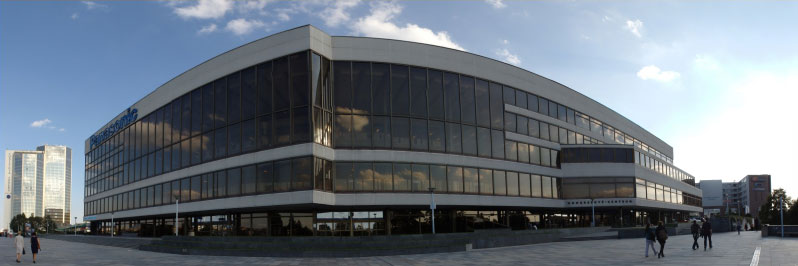
Prague Congress Centre (KCP)
5.května 65140 21 Prague 4
Czech Republic
Phone: +420 261 171 111
Website: www.kcp.cz