



INS 2018 Keynote on Global Neuropsychology
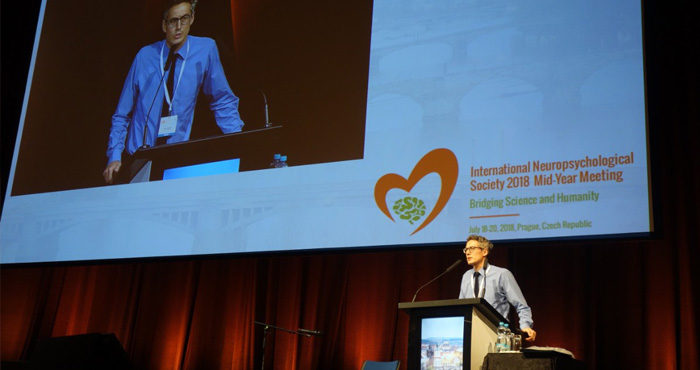
The INS 2018 mid-year meeting in Prague brought together researchers, clinicians, educators, and students from July 18–20, 2018. Its central purpose was to connect advances in neuropsychology with humane patient care, cultural awareness, neuroscience, and everyday clinical decision-making.
A keynote on global neuropsychology fits naturally within that mission. The subject reaches beyond geographic representation. It asks how cognitive assessment, rehabilitation, brain research, and psychological care can remain scientifically rigorous while responding to differences in language, education, health systems, values, and access to treatment.
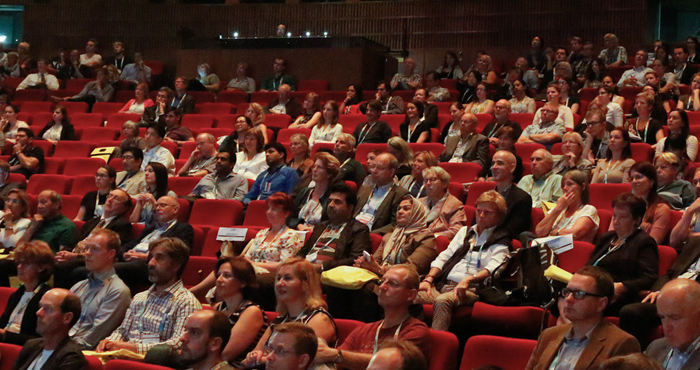
The Prague meeting also created space for practical learning through workshops, poster sessions, continuing education, and informal professional exchange. These elements made the global perspective more than a broad ideal: they connected international neuropsychological science with the choices practitioners make in clinics, hospitals, universities, and community settings.
Why A Global Perspective Matters
Neuropsychological tests are often developed in particular languages and cultural environments, then adopted elsewhere. When norms do not reflect a patient’s background, results may be misinterpreted. A low score can reflect limited educational opportunity, unfamiliarity with test conventions, bilingual language processing, or socioeconomic disadvantage rather than neurological impairment.
Global neuropsychology encourages professionals to examine these influences before drawing conclusions. It supports careful norm selection, culturally responsive interviewing, and collaboration with local experts. This approach protects patients from inaccurate labels while improving the reliability of diagnostic and rehabilitation planning.
Core Themes In The Keynote
The keynote’s strongest contribution would be its ability to connect international collaboration with clinical responsibility. Neuroscientists may study attention, memory, executive function, or brain connectivity across populations, but those findings become meaningful only when they improve communication, assessment, prevention, or treatment.
Another important theme is equity. Access to specialists, imaging, validated instruments, and rehabilitation services varies widely between regions. A worldwide view of neuropsychological practice therefore includes low-resource innovation, training partnerships, telehealth possibilities, and the adaptation of evidence-based methods to local systems rather than simply exporting one model of care.
From Neuroscience To Daily Practice
The conference emphasis on bridging science and humane care is especially relevant to the relationship between neuroscience and clinical neuropsychology. Brain-based findings can sharpen diagnostic hypotheses, yet patient care still depends on history-taking, functional observation, family perspectives, and an understanding of lived experience.
The meeting’s practical orientation is reflected in its focus on applying research outside the laboratory. The workshop spotlight illustrates this connection by emphasizing how neuroscience can inform routine professional decisions. For clinicians, the value lies in translating complex mechanisms into clear explanations and useful interventions.
Prague As A Meeting Place
Holding the event in Prague added a meaningful cultural dimension. An international conference in Central Europe offered participants a chance to exchange perspectives shaped by different training traditions, public health structures, and professional regulations. Travel itself also encouraged attendees to think about how place influences participation and access.
Practical planning supported that exchange. Participants looking for convenient accommodation could review the Holiday Inn reservation, while public transport guidance helped visitors navigate the city. These details may seem separate from scientific content, but accessible logistics allow a wider professional community to attend, connect, and contribute.
Comparing Clinical Priorities Across Settings
A global framework does not assume that every country can use identical procedures. It looks for shared principles while allowing assessment methods, referral pathways, and intervention goals to reflect local realities. The comparison below summarizes how the keynote’s perspective can translate across common professional settings.
| Area | Shared Global Principle | Local Questions To Consider |
|---|---|---|
| Assessment | Use valid, transparent measures | Are norms appropriate for language, education, and culture? |
| Diagnosis | Integrate test data with clinical history | How do local healthcare pathways influence referral? |
| Rehabilitation | Focus on meaningful daily function | Which family, community, or workplace supports are available? |
| Research | Protect participants and improve representation | Who is missing from current samples and datasets? |
| Training | Build ethical and scientifically informed practice | What resources and supervision can be sustained locally? |
This balance is crucial for international neuropsychology. Standardization can support comparison across studies, while flexibility helps practitioners avoid treating cultural difference as pathology. The best approach combines methodological discipline with humility about what a test can and cannot explain.
Building Humane Neuropsychological Care
Humane care begins with seeing the patient as more than a score profile. A culturally informed evaluation considers identity, migration history, literacy, preferred language, family roles, and expectations about illness. It also communicates findings in ways that patients and families can understand and use.
The global message extends to professional education. Students and experienced practitioners benefit from learning how bias enters assessment, how norms are constructed, and how international evidence should be evaluated before adoption. Conferences such as INS 2018 provide a setting where these questions can be discussed across disciplines and national boundaries.
Practical Takeaways For Professionals
The keynote’s ideas can be carried into assessment rooms, research teams, and training programs through deliberate everyday habits:
- Check whether normative data match the patient’s language, education, age, and cultural background.
- Combine standardized scores with history, observation, collateral information, and functional evidence.
- Explain uncertainty clearly instead of presenting test results as definitive judgments.
- Include underrepresented populations in research recruitment and report limitations openly.
- Build international partnerships around reciprocal learning, ethical practice, and sustainable training.
These actions turn global neuropsychology into a working method rather than a slogan. They also support the broader INS 2018 goal of linking scientific progress with respect, fairness, and practical benefit.
The INS 2018 keynote theme remains relevant wherever neuropsychologists interpret cognition across cultures or translate neuroscience into care. Explore the conference materials, revisit its workshops and program, and use its global perspective to strengthen assessment, research, and patient-centered practice.
General Information
Important information about the meetingIndustry
Support and exhibition opportunitiesCzech Republic
Beautiful country situated in the very heart of EuropeContact
How can we help you?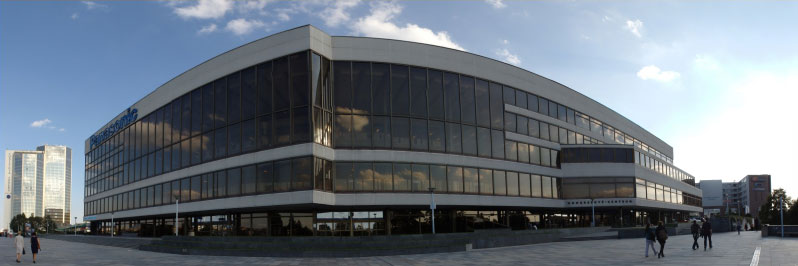
Prague Congress Centre (KCP)
5.května 65140 21 Prague 4
Czech Republic
Phone: +420 261 171 111
Website: www.kcp.cz