




INS 2018: How To Plan Your Daily Schedule
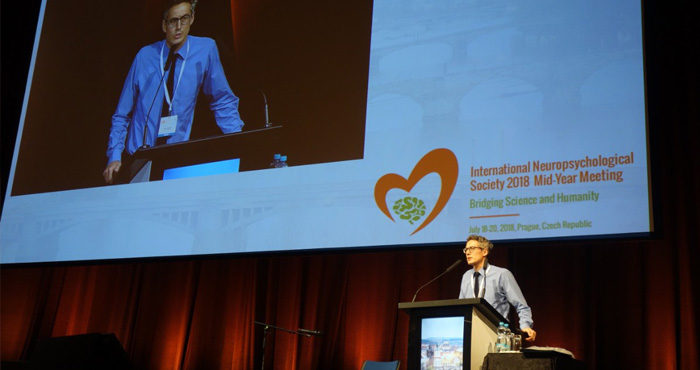
Planning a conference day at the International Neuropsychological Society meeting in Prague required more than choosing interesting talks. The 2018 mid-year meeting ran from July 18–20 and brought together clinical neuropsychology, cognitive neuroscience, rehabilitation, cultural perspectives, and humane patient care.
A useful schedule balanced plenary sessions, symposia, poster presentations, continuing education workshops, meals, and informal conversations. Because several valuable events could overlap, advance preparation helped attendees make deliberate choices instead of moving randomly between rooms.
The conference website offered the essential details, including the scientific program, poster listings, venue information, transport guidance, registration material, and practical accommodation resources. The same planning method remains useful for reviewing a busy neuropsychology congress or organizing a professional development visit.
Start With The Conference Priorities
Begin by identifying two or three outcomes for the meeting. Someone focused on pediatric assessment might prioritize developmental presentations and clinical workshops, while a researcher may give greater weight to neuroscience symposia, poster discussions, or methodological sessions.
Write these priorities beside the full program before selecting individual events. This prevents a schedule from becoming overloaded with attractive but unrelated sessions and creates a clear standard for resolving timetable conflicts.
It also helps to mark sessions that offer continuing education credit. These workshops may have limited seating, specific registration requirements, or longer time blocks, so they should be treated as fixed appointments rather than optional additions.
Read The Program By Time And Theme
Review each conference day in chronological order, then group sessions by theme. Look for repeated subject areas such as memory, executive functioning, neurorehabilitation, brain imaging, assessment, or culturally responsive practice. Repeated themes can reveal a coherent learning track across several days.
Allow enough time to reach each room, collect handouts, and make notes. A ten-minute gap may be sufficient in a compact venue, but a schedule with back-to-back sessions leaves little room for conversations or unexpected program changes.
Create a primary plan and a short backup list. If a symposium is full or a presentation changes, the backup option should be nearby and relevant rather than chosen under pressure.
Build A Realistic Daily Rhythm
A productive day usually includes a mix of formal learning and recovery. Plenary lectures can provide broad context, while smaller symposia and poster sessions offer specialized detail. Breaks are valuable for processing information, checking messages, and meeting colleagues.
| Time block | Recommended focus | Planning note |
|---|---|---|
| Morning | Plenary or priority symposium | Arrive early for popular sessions |
| Late morning | Focused paper session | Keep notes organized by theme |
| Midday | Lunch and networking | Protect time for professional conversations |
| Afternoon | Workshop, symposium, or posters | Choose one main activity and one backup |
| Late afternoon | Poster viewing or discussion | Ask presenters targeted questions |
| Evening | Review and light social activity | Record key contacts and follow-up tasks |
Poster sessions deserve deliberate placement in the day. Rather than trying to view every display, select a short list from the poster directory and note the presentation times. This makes it easier to have meaningful discussions with authors and compare related findings.
Coordinate Travel And Accommodation
Venue logistics can affect the schedule as much as the scientific program. Check public transport routes, walking times, registration hours, and the location of workshop rooms before the first morning. A small buffer is especially useful when traveling from a hotel or navigating an unfamiliar area.
The Holiday Inn Prague information was relevant for attendees arranging accommodation near the meeting location. Reviewing hotel access, transport connections, and check-in timing helped participants avoid adding unnecessary travel stress to already full conference days.
Keep essentials together: registration confirmation, program notes, workshop details, transit information, and contact details for colleagues. A digital copy is convenient, while a simple offline backup is useful if mobile connectivity is unreliable.
Protect Time For People And Reflection
Networking works best when it is planned with the same care as session attendance. Identify researchers, clinicians, presenters, or former collaborators you hope to meet, then reserve a few breaks for conversation. Poster halls and coffee periods often provide a more natural setting than crowded reception lines.
At the end of each day, spend fifteen minutes reviewing notes. Record the main finding from each important session, the names of useful contacts, and any article, method, or clinical resource worth pursuing. This short review improves retention and makes post-conference follow-up much easier.
Include cultural and clinical perspectives in the daily review as well. The Prague meeting emphasized the relationship between scientific advances and humane patient care, so reflections should consider how evidence can be adapted to different patients, families, languages, and healthcare settings.
Use The Photo Gallery As A Memory Aid
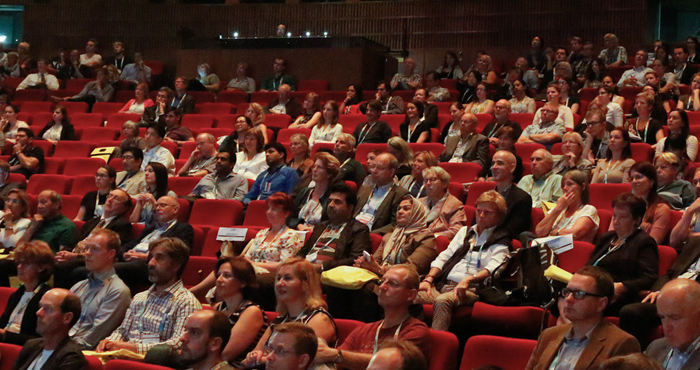
Conference photographs can help reconstruct the atmosphere and sequence of the event after returning home. The photo gallery may also support institutional reports, personal records, or a visual reminder of colleagues met during the meeting.
When organizing images and notes, label them with the date, session, presenter, and topic whenever possible. This turns an unstructured collection into a useful professional archive and makes it easier to reconnect a photograph with a research discussion or workshop idea.
Apply These Scheduling Practices
- Select priority sessions before choosing optional events.
- Keep one backup activity for each major time block.
- Reserve breaks for meals, transport, and professional conversations.
- Review poster titles in advance and shortlist specific presenters.
- Summarize each day’s learning before moving to the next program.
A strong INS 2018 daily schedule was flexible, focused, and practical. Use the program materials to create a personal timetable, pair each session with a clear learning goal, and leave enough space for the conversations that often become the most valuable part of a scientific meeting.
General Information
Important information about the meetingIndustry
Support and exhibition opportunitiesCzech Republic
Beautiful country situated in the very heart of EuropeContact
How can we help you?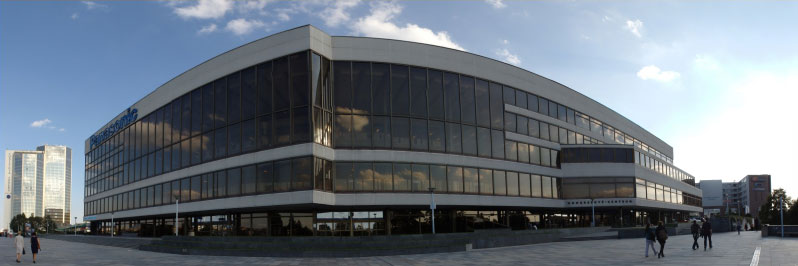
Prague Congress Centre (KCP)
5.května 65140 21 Prague 4
Czech Republic
Phone: +420 261 171 111
Website: www.kcp.cz