



Bridging neuroscience and clinical practice at INS 2018
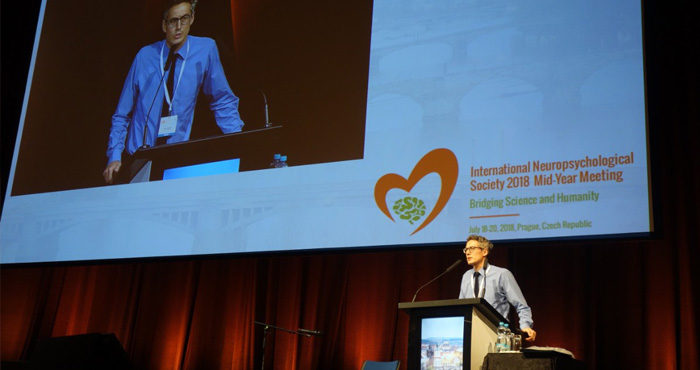
The International Neuropsychological Society’s mid-year meeting in Prague, held from July 18–20, 2018, brought together researchers, clinicians, educators, and students to examine how advances in brain science can improve everyday patient care. INS 2018 placed scientific discovery within a broader human context, where assessment results, rehabilitation plans, and therapeutic decisions must reflect the individual behind the data.
The meeting connected cognitive neuroscience with clinical neuropsychology, covering topics such as brain-behavior relationships, memory, executive functioning, aging, neurological disorders, and psychological wellbeing. Its programme also recognized that culture, communication, and access to care influence how neuropsychological knowledge is applied.
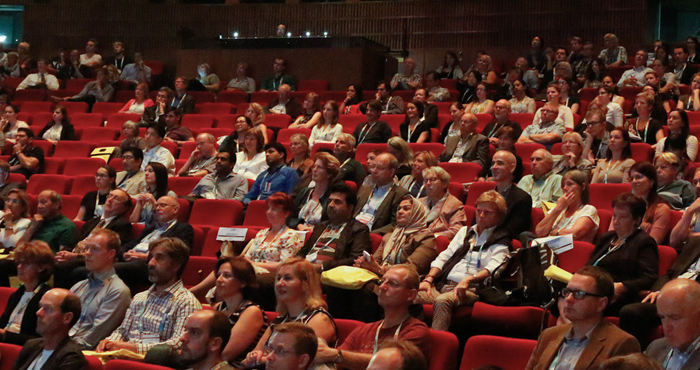
By combining plenary presentations, symposia, poster sessions, and continuing education workshops, the conference created opportunities to move from laboratory findings to practical methods. This emphasis made the Prague meeting relevant to professionals seeking evidence-based tools without losing sight of humane care.
Translating brain science into patient care
Neuroscience can reveal how neural systems support attention, language, memory, emotion, and decision-making. Clinical practice gives those findings meaning by showing how changes in these systems affect work, relationships, independence, and quality of life. INS 2018 emphasized the value of connecting both perspectives rather than treating them as separate areas of expertise.
This translation requires careful interpretation. A pattern observed through imaging or experimental testing does not automatically explain a patient’s lived experience. Neuropsychologists must combine test performance with medical history, behavioral observation, functional goals, and conversations with patients and families.
A programme shaped around clinical relevance
The conference schedule offered several routes through contemporary neuropsychology, allowing attendees to follow themes across research and practice. The programme tracks helped participants identify sessions related to cognitive assessment, rehabilitation, developmental conditions, dementia, acquired brain injury, and other areas of applied neuroscience.
Poster presentations added another layer of exchange. Early-career investigators and established researchers could share emerging findings, methodological approaches, and clinical observations in a setting suited to direct discussion. These conversations often help refine research questions and reveal how findings may be adapted for different populations.
Culture and humane assessment
Neuropsychological assessment is never entirely independent of language, education, cultural expectations, or socioeconomic circumstances. A score may reflect neurological functioning, but it can also be influenced by whether the test is familiar, appropriately translated, and normed for the person being assessed.
INS 2018’s focus on cultural considerations reinforced the need for humility and flexibility. Clinicians may need to adjust interview techniques, interpret norms cautiously, use collateral information, and explain findings in language that patients can understand. Human-centered practice protects against reducing people to profiles or diagnostic labels.
From research findings to clinical decisions
The movement from discovery to intervention depends on more than publishing a statistically significant result. Clinicians need to know whether an assessment improves decision-making, whether a rehabilitation strategy changes meaningful outcomes, and how an intervention fits within a patient’s daily environment.
| Scientific contribution | Clinical application | Human outcome |
|---|---|---|
| Research on memory systems | Targeted cognitive assessment | Clearer treatment planning |
| Findings on executive function | Structured rehabilitation strategies | Greater independence |
| Brain-behavior models | Differential diagnosis | More appropriate care |
| Cultural and linguistic research | Adapted assessment practices | Fairer interpretation |
| Longitudinal outcome studies | Monitoring recovery or decline | Better-informed follow-up |
This framework encourages collaboration between laboratories, clinics, hospitals, rehabilitation teams, and community services. It also supports outcome measures that extend beyond test scores to include participation, confidence, caregiver burden, and practical functioning.
Continuing education for evolving practice
Continuing education workshops gave professionals space to strengthen specific skills and consider how new evidence could influence their work. Workshops are especially valuable in neuropsychology because the field changes across assessment technology, diagnostic criteria, rehabilitation methods, and ethical standards.
Learning in an international setting also exposes practitioners to different service models. A clinician may encounter approaches shaped by another healthcare system, profession, or cultural setting and adapt useful ideas to local conditions. This exchange supports lifelong learning while encouraging careful evaluation rather than automatic adoption.
Prague as a meeting place for exchange
The conference venue and travel information helped make participation practical for attendees arriving from many countries. Prague offered a historic setting for conversations that crossed institutional and national boundaries, while public transport guidance supported movement between accommodation, meeting spaces, and the city.
Participants looking for convenient lodging could review details for the Hotel Embassy, an option connected with the meeting’s accommodation information. Practical arrangements matter because a well-organized conference gives attendees more time and energy for scientific dialogue, networking, and professional development.
Recommendations for carrying the work forward
- Link neuropsychological test results to functional goals and everyday participation.
- Consider language, culture, education, and access when selecting and interpreting assessments.
- Combine neuroscience findings with clinical history, observation, and patient priorities.
- Use continuing education to update rehabilitation, diagnostic, and communication practices.
- Build partnerships between researchers, clinicians, patients, and caregivers.
INS 2018 remains a useful example of how a professional meeting can connect neuroscience with compassionate clinical work. Its programme reflected a field that values rigorous evidence while recognizing that every assessment and intervention serves a person in a particular cultural, medical, and social context.
Explore the conference programme, educational themes, venue information, and archived resources to see how the Prague meeting continues to inform modern neuropsychological practice. Apply its central lesson in current work: scientific progress has its greatest value when it improves understanding, decision-making, and quality of life for patients and families.
General Information
Important information about the meetingIndustry
Support and exhibition opportunitiesCzech Republic
Beautiful country situated in the very heart of EuropeContact
How can we help you?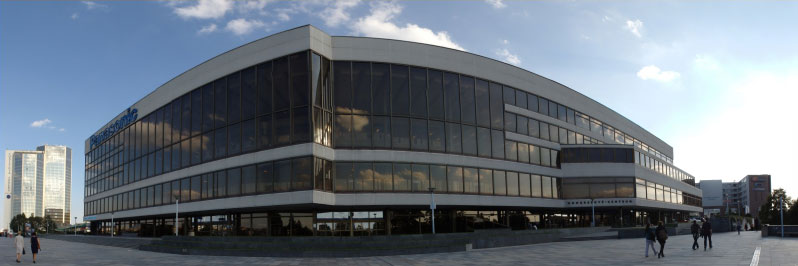
Prague Congress Centre (KCP)
5.května 65140 21 Prague 4
Czech Republic
Phone: +420 261 171 111
Website: www.kcp.cz