



Pediatric neuropsychological interventions in clinical practice
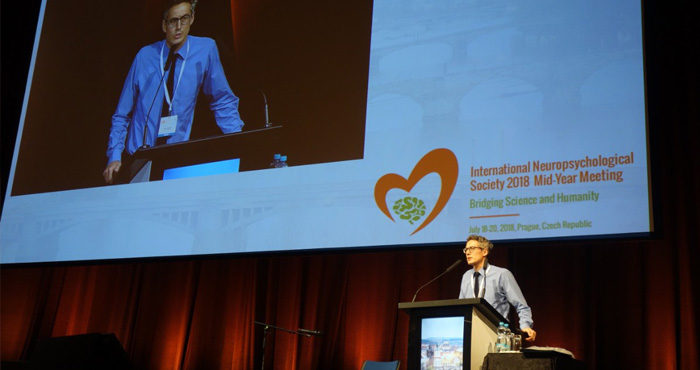
The International Neuropsychological Society mid-year meeting in Prague, held from July 18–20, 2018, brought scientific progress into conversation with humane patient care. Its emphasis was especially relevant to pediatric neuropsychology, where assessment results must become practical support for children, families, and schools.
A workshop on pediatric neuropsychological interventions would sit naturally within that mission. Children do not experience cognitive difficulties in isolation: attention, memory, language, emotion, sleep, family routines, classroom demands, and cultural expectations all influence daily functioning.
Effective intervention therefore requires more than identifying weaknesses on a test. It involves translating developmental neuroscience into achievable goals, collaborating with caregivers, and monitoring whether treatment improves participation at home, in school, and in the wider community.
Why intervention must follow assessment
A neuropsychological evaluation can clarify patterns in executive functioning, processing speed, working memory, language, learning, and emotional regulation. Yet a profile becomes clinically useful only when it guides decisions. The central question is how a child’s strengths and vulnerabilities affect real tasks such as completing homework, following instructions, managing transitions, or forming friendships.
Intervention should be developmentally appropriate and specific. A young child may benefit from visual schedules, practice with emotional regulation, and caregiver coaching, while an adolescent may need metacognitive strategies, planning systems, and support for self-advocacy. Goals should be observable, measurable, and meaningful to the child’s everyday life.
Connecting neuroscience with daily care
Current neuropsychological practice recognizes that cognitive skills can be shaped by experience, structured practice, environmental support, and motivation. Cognitive rehabilitation may target attention or memory directly, but it can also change the surroundings in which those skills are used. Classroom accommodations, reduced distractions, written instructions, and predictable routines often complement direct training.
Family-centered care strengthens this process. Caregivers can help children rehearse strategies, notice fatigue, reinforce progress, and communicate with teachers. A clinician’s role includes explaining findings in accessible language and avoiding labels that make a child feel defined by a deficit.
Culture and context in pediatric treatment
Cultural and linguistic factors influence how children communicate, learn, respond to authority, and express distress. They also shape family expectations about disability, independence, academic achievement, and professional care. A culturally responsive intervention considers these factors before selecting goals or interpreting behavior.
This perspective was consistent with the meeting’s broader interest in linking scientific advances to clinical realities. The discussion of why professional gatherings matter can be found in this clinical perspective, particularly for clinicians seeking to connect research, ethics, and everyday decision-making.
Intervention pathways at a glance
Different children may require different combinations of direct treatment, environmental adaptation, and caregiver involvement. The choice should reflect the child’s developmental level, referral concerns, available resources, and response to earlier support.
| Primary need | Useful intervention focus | Everyday outcome |
|---|---|---|
| Attention and working memory | Brief practice, external reminders, reduced distractions | Better task completion |
| Executive functioning | Planning routines, checklists, self-monitoring | More independent organization |
| Learning difficulties | Explicit strategy instruction and retrieval practice | Improved academic access |
| Emotional regulation | Coping skills, co-regulation, behavioral rehearsal | Fewer disruptive or avoidant responses |
| Social cognition | Role-play, perspective-taking, guided feedback | More effective peer interaction |
| Broad developmental needs | Caregiver coaching and coordinated school support | Consistent support across settings |
These approaches are most effective when they are integrated rather than delivered as isolated exercises. A child may practice remembering instructions in the clinic, use a visual checklist at school, and receive brief caregiver prompts at home. Consistency helps transfer new skills beyond the therapy room.
Building a humane treatment plan
A practical intervention plan can be organized around a small number of priorities:
- Define two or three functional goals in language the child and family understand.
- Start with existing strengths and use them to support weaker skills.
- Coordinate strategies across caregivers, teachers, therapists, and medical providers.
- Measure progress through behavior, participation, and confidence as well as test performance.
- Revise the plan when developmental changes, fatigue, stress, or new school demands alter the child’s needs.
Treatment planning should also account for access. Transportation, appointment schedules, language services, technology, school policies, and caregiver workload can determine whether an otherwise sound recommendation is usable. Humane care means designing support that families can realistically maintain.
Learning from a shared professional setting
A conference workshop can be valuable because it brings together research findings, clinical examples, ethical questions, and practical tools. Pediatric specialists may compare methods for executive-function coaching, school consultation, behavioral support, and cognitive rehabilitation while considering how evidence applies to individual children.
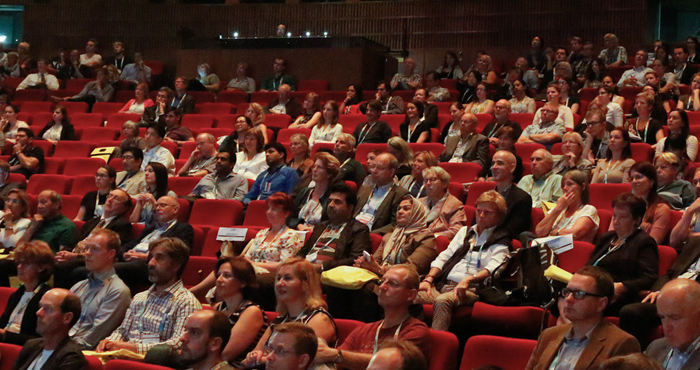
The Prague meeting also created a record of professional exchange through its program, posters, workshops, and meeting photo gallery. Those materials represent more than an event archive: they reflect a field working toward interventions that are scientifically grounded, culturally aware, and compassionate.
Use these principles to review pediatric intervention plans in your own setting: connect every recommendation to a functional goal, involve the child and family in decisions, and track whether support improves everyday participation. This is how neuropsychological knowledge becomes meaningful care.
General Information
Important information about the meetingIndustry
Support and exhibition opportunitiesCzech Republic
Beautiful country situated in the very heart of EuropeContact
How can we help you?
Prague Congress Centre (KCP)
5.května 65140 21 Prague 4
Czech Republic
Phone: +420 261 171 111
Website: www.kcp.cz