



The Neuropsychology of Normal Pressure Hydrocephalus
Normal pressure hydrocephalus (NPH) is a potentially treatable neurological condition involving enlarged cerebral ventricles, altered cerebrospinal fluid dynamics, and a characteristic pattern of walking, cognitive, and bladder symptoms. Its neuropsychological profile can resemble Alzheimer’s disease, vascular cognitive impairment, Parkinsonian disorders, or depression, making careful assessment essential.
The clinical challenge is especially important because cognition may improve after cerebrospinal fluid diversion, yet recovery is rarely uniform. Gait often responds first, while executive functions, attention, processing speed, and daily independence may change more gradually. Neuropsychology therefore helps clarify diagnosis, estimate functional risk, and track meaningful outcomes.
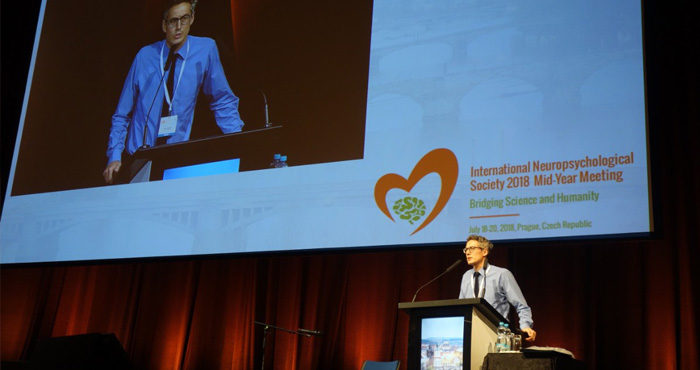
A humane approach also considers age, education, language, culture, medical comorbidities, caregiver observations, and the patient’s own goals. These factors were central to the broader mission of the INS 2018 meeting in Prague: connecting neuroscience and clinical practice without losing sight of the person behind the test scores.
The Clinical Pattern Behind NPH
NPH is commonly associated with gait disturbance, cognitive decline, and urinary urgency or incontinence. The walking pattern may include short steps, reduced foot clearance, instability, and difficulty initiating movement. Cognitive symptoms often involve slowed thinking, diminished mental flexibility, impaired attention, and problems organizing complex activities.
Memory complaints can be prominent, but the underlying difficulty may involve inefficient learning or retrieval rather than a pure storage deficit. Patients may benefit from repetition and recognition cues, while still struggling to manage medication schedules, finances, appointments, or multistep household tasks.
Symptoms do not always appear together or progress at the same rate. Neuropsychological findings must therefore be interpreted alongside neurological examination, brain imaging, cerebrospinal fluid testing, and collateral information from family members.
Executive Dysfunction And Daily Function
Executive impairment is a major feature of the cognitive syndrome associated with NPH. Patients may have difficulty shifting between tasks, inhibiting automatic responses, monitoring errors, or maintaining a plan when circumstances change. Reduced processing speed can make ordinary conversations and household routines feel unusually demanding.
A standard score alone cannot show how these difficulties affect real life. Functional interviews should examine cooking, driving, financial management, personal care, social judgment, and the use of technology. Caregiver reports are particularly valuable when reduced insight limits self-report accuracy.
The distinction between cognitive capacity and functional performance also matters when discussing treatment. A person may perform adequately in a quiet clinic but become disorganized in a busy supermarket, unfamiliar building, or socially demanding setting.
Assessment Before And After Treatment
A comprehensive evaluation usually combines measures of attention, executive control, memory, language, visuospatial abilities, mood, and adaptive functioning. Timed tasks can reveal psychomotor slowing, while verbal fluency and set-shifting measures may expose frontal-subcortical inefficiency. Mood screening helps identify depression, apathy, anxiety, or adjustment reactions that may intensify cognitive complaints.
Baseline testing is most useful when it is tailored to the patient and repeated with appropriate intervals. Practice effects, fatigue, sensory limitations, medication changes, and motor impairment can influence results. Interpreting change requires attention to reliable improvement, everyday behavior, and the expectations established before a shunt procedure.
Clinical workshops can strengthen this process by connecting test selection with case formulation. Guidance on workshop preparation is particularly relevant for clinicians who want to translate specialist teaching into more focused assessment and feedback.
| Clinical domain | Common finding in NPH | Practical interpretation |
|---|---|---|
| Gait and motor control | Short steps, initiation difficulty, instability | May respond earlier than cognition |
| Attention and speed | Slowed responses, reduced concentration | Can affect communication and safety |
| Executive function | Poor switching, planning, inhibition, monitoring | Often linked to loss of independence |
| Memory | Retrieval weakness with variable cueing benefit | Consider frontal-subcortical inefficiency |
| Visuospatial skills | Variable constructional or navigation problems | Interpret with motor and visual status |
| Emotional and behavioral change | Apathy, reduced initiative, irritability | May resemble depression or dementia |
Differential Diagnosis And Cultural Context
Neuropsychologists must distinguish NPH from overlapping disorders rather than treating the symptom cluster as diagnostically conclusive. Alzheimer’s disease may show a more pronounced episodic memory storage deficit, while vascular disease can produce executive slowing and focal neurological signs. Parkinson’s disease, dementia with Lewy bodies, frontotemporal disorders, medication effects, sleep problems, and depression may also contribute.
Cultural and linguistic factors influence test performance, communication style, educational opportunity, and expectations about aging. Norms that do not represent the patient’s background can exaggerate or conceal impairment. Assessment should use qualified interpreters when needed, culturally appropriate measures, and a history that separates lifelong skill differences from recent decline.
Neuropsychological practice is strongest when it integrates biomedical evidence with the patient’s lived context. This is particularly important when families must make decisions about surgery, rehabilitation, supervision, and long-term support.
Treatment Planning And Rehabilitation
Shunt surgery can improve mobility and, in some cases, cognition or continence. However, treatment decisions depend on the whole clinical picture, including imaging, response to drainage procedures, surgical risk, and the pattern of functional decline. Patients and families benefit from clear explanations that describe possible gains without promising complete recovery.
Rehabilitation may target balance, transfers, walking confidence, divided attention, planning, and compensatory routines. Cognitive strategies can include written schedules, environmental cues, simplified task sequences, and caregiver coaching. Occupational and physical therapists can help convert assessment findings into safer daily habits.
Pre-conference clinical teaching is useful when it emphasizes applied reasoning rather than isolated facts. A clinical skills workshop can help professionals refine interviewing, formulation, and communication across complex neurological cases.
Recommendations For Clinical Practice
- Combine cognitive testing with gait examination, imaging, medical history, and caregiver reports.
- Assess executive function, processing speed, attention, memory, mood, and everyday independence.
- Use culturally and linguistically appropriate measures rather than relying on unexamined norms.
- Establish a functional baseline before treatment and repeat assessment with realistic expectations.
- Explain possible treatment benefits in concrete terms, linking them to the patient’s personal goals.
From Evidence To Humane Care
The neuropsychology of NPH is ultimately about recognizing change that may be treatable while respecting uncertainty. Careful formulation can prevent premature dementia labeling, guide referral for neurological treatment, and give families practical ways to support independence.
Clinicians, trainees, and researchers can carry this perspective into assessment rooms, rehabilitation planning, and multidisciplinary meetings. Use the evidence to build a patient-centered evaluation, communicate findings clearly, and make every treatment decision relevant to the person’s everyday life.
General Information
Important information about the meetingIndustry
Support and exhibition opportunitiesCzech Republic
Beautiful country situated in the very heart of EuropeContact
How can we help you?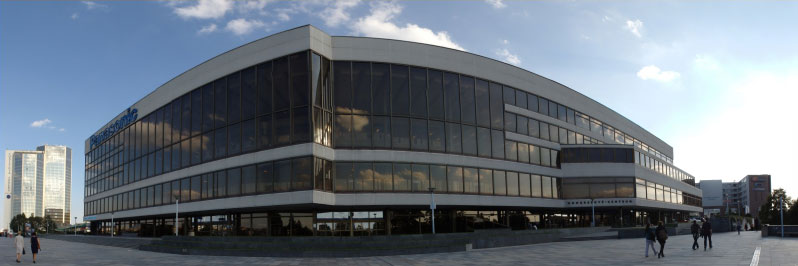
Prague Congress Centre (KCP)
5.května 65140 21 Prague 4
Czech Republic
Phone: +420 261 171 111
Website: www.kcp.cz