



Neuropsychology and Spirituality: Emerging Connections
The relationship between brain function, personal meaning, and spiritual life has become an increasingly relevant topic in contemporary neuropsychology. Spirituality can influence how people understand illness, cope with cognitive change, make treatment decisions, and maintain hope during rehabilitation.
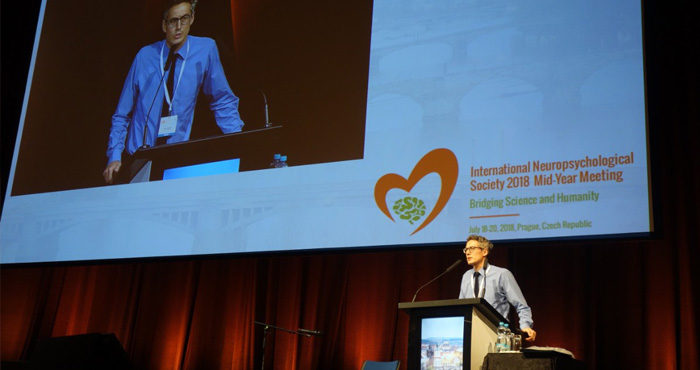
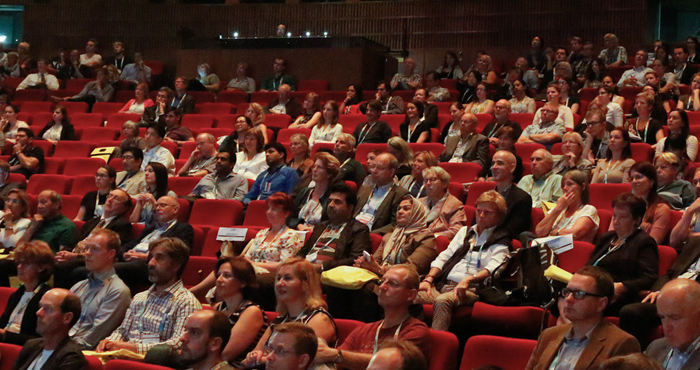
For a conference centered on connecting scientific progress with humane patient care, this subject fits naturally within the wider mission of INS 2018. The Prague meeting brought together clinical researchers, practitioners, and students interested in neuroscience, assessment, culture, and real-world care.
Spirituality is not a synonym for religious belief. It may include a person’s sense of purpose, connection, transcendence, values, or relationship with a faith tradition. Neuropsychological practice must therefore approach it with curiosity and cultural humility rather than assumptions.
Meaning Making After Neurological Change
Brain injury, dementia, epilepsy, stroke, and other neurological conditions can disrupt identity as profoundly as they affect memory, attention, or executive function. Patients may ask why the change occurred, what their future means, or whether they can remain connected to family and community. These questions often shape motivation and adjustment during rehabilitation.
A clinician does not need to provide spiritual answers to recognize this dimension of recovery. Careful listening can reveal whether a patient draws strength from prayer, meditation, nature, service, ritual, or relationships. It can also identify spiritual distress, such as guilt, loss of purpose, or a feeling that illness has severed an important connection.
Cultural Context In Clinical Practice
Spiritual beliefs are expressed differently across cultures, families, and generations. A treatment plan that ignores these differences may misread a patient’s behavior or overlook valuable sources of support. For example, a family’s approach to decision-making may be collective rather than centered on individual autonomy.
Culturally responsive neuropsychology uses open-ended questions and avoids treating any tradition as uniform. Practitioners can ask what gives a person strength, which practices should be respected during care, and whether a faith leader or community resource should be involved. These conversations belong within a broader biopsychosocial assessment, with consent and professional boundaries clearly maintained.
From Brain Science To Lived Experience
Neuroscience has examined networks involved in attention, emotion regulation, social connection, compassion, and self-referential thought. Research on meditation and contemplative practices has also explored changes in stress responses and cognitive processes. Such findings are promising, but they do not reduce spiritual experience to a single brain region or biological mechanism.
The most useful approach connects objective measures with the patient’s lived experience. Neuropsychological testing may describe impairments, while interviews and functional observations clarify how those impairments affect values, relationships, and daily rituals. The two forms of knowledge can work together without forcing spirituality into a narrow laboratory definition.
| Clinical concern | Possible spiritual dimension | Sensitive practice |
|---|---|---|
| Memory loss | Fear of losing identity or connection | Explore meaningful routines and relationships |
| Acquired brain injury | Questions about purpose and fairness | Allow space for personal meaning |
| Rehabilitation fatigue | Need for hope, motivation, or community | Identify supportive practices chosen by the patient |
| End-of-life decisions | Religious or existential values | Coordinate respectfully with family and care teams |
Ethical Boundaries And Professional Care
Spirituality-informed practice must never become an opportunity for persuasion. Clinicians should not impose beliefs, present personal convictions as treatment, or assume that religious involvement is beneficial. Some patients may feel harmed by a faith community or may identify as nonreligious, and their preferences deserve equal respect.
Assessment should also be proportionate to the clinical setting. A brief question about sources of strength may be appropriate, while deeper concerns can be referred to qualified chaplains, counselors, psychologists, or community leaders. Confidentiality, informed consent, and scope of practice remain essential when spiritual concerns intersect with capacity, risk, or medical decision-making.
Research Directions And Conference Dialogue
Emerging research could examine how spiritual well-being relates to rehabilitation adherence, caregiver burden, resilience, perceived quality of life, and adjustment after neurological disease. Studies should use culturally appropriate measures and distinguish spirituality, religiosity, existential well-being, and social support rather than combining them into one vague category.
The 2018 Prague meeting also provides a historical snapshot of a field becoming more attentive to humane and culturally informed care. Its academic program, workshops, poster sessions, and clinical discussions created space for conversations that bridge laboratory findings with everyday practice. Readers exploring the wider conference context can also review the related events connected with the meeting.
Practical Ways To Include The Whole Person
A respectful spirituality-informed approach can be incorporated without changing the central purpose of neuropsychological assessment. The following practices keep attention on the patient’s values while preserving scientific and ethical standards:
- Ask whether beliefs, values, or spiritual practices affect coping or treatment preferences.
- Use the patient’s own language instead of applying labels prematurely.
- Document relevant preferences only when they influence care or accommodation.
- Collaborate with qualified spiritual-care professionals when the patient requests support.
- Include family and community resources only with appropriate consent.
These steps can strengthen therapeutic rapport and improve the fit between rehabilitation goals and the person’s life. They also remind clinicians that cognition is experienced within relationships, culture, identity, and systems of meaning.
The continuing development of this field depends on thoughtful research, careful clinical training, and genuine respect for pluralism. Visit the INS 2018 archive to explore the program and materials that connect neuropsychological science with compassionate patient care, and use that perspective to inform conversations about brain health, meaning, and recovery.
General Information
Important information about the meetingIndustry
Support and exhibition opportunitiesCzech Republic
Beautiful country situated in the very heart of EuropeContact
How can we help you?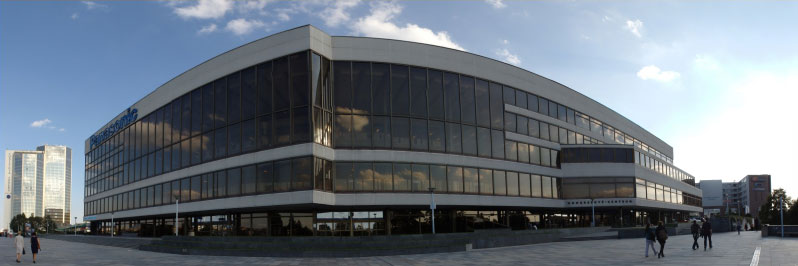
Prague Congress Centre (KCP)
5.května 65140 21 Prague 4
Czech Republic
Phone: +420 261 171 111
Website: www.kcp.cz