




Neuropsychological Assessment in Low-Resource Settings
Neuropsychological assessment is shaped by the resources available to clinicians, patients, and communities. In well-funded systems, practitioners may rely on extensive test libraries, digital platforms, specialist teams, and repeated evaluations. In low-resource environments, assessment must work with limited equipment, restricted referral pathways, language diversity, and fewer trained professionals.
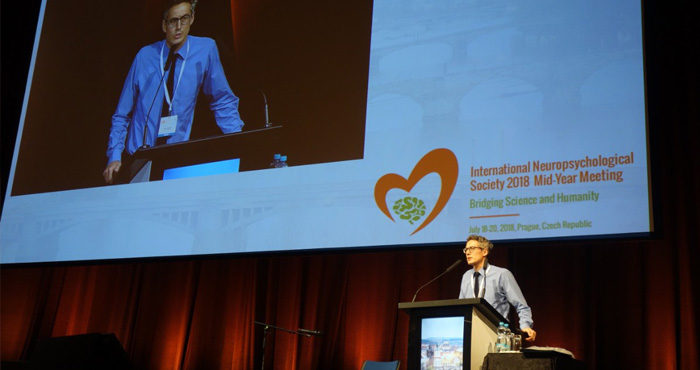
These conditions do not make rigorous evaluation impossible. They require a broader understanding of validity—one that considers culture, education, health access, communication, and the practical decisions an assessment is meant to support. The principles discussed around the INS 2018 meeting remain relevant to clinicians seeking humane, scientifically grounded care.
Define The Clinical Purpose
A focused referral question is the foundation of responsible assessment. Instead of administering a long battery by default, clinicians can identify the decision that needs support: Is the concern dementia, traumatic brain injury, developmental difficulty, epilepsy, treatment planning, or return to work?
A shorter, purpose-driven evaluation can reduce fatigue and conserve professional time. It also makes findings easier to communicate to families and other providers. Cognitive screening, interviews, behavioral observation, and functional history may provide more useful evidence than an extensive set of unfamiliar measures.
The assessment should describe abilities in context. A low score may reflect limited schooling, unfamiliar test conventions, visual impairment, fatigue, depression, or language mismatch rather than neurological disease. Clinical interpretation must therefore combine test results with everyday functioning and collateral information.
Adapt Methods Without Losing Rigor
Cultural and linguistic adaptation involves more than translating instructions. Words, examples, pictures, response formats, and assumptions about daily life can all influence performance. A measure developed for one population may require local piloting, expert review, and careful documentation before it is used elsewhere.
Normative data are frequently scarce in underserved regions. Clinicians can still improve interpretive confidence by recording education, literacy, language history, occupation, age, sensory status, and prior exposure to formal testing. These variables help distinguish genuine impairment from performance shaped by social and educational inequality.
When formal norms are unavailable, results should be described cautiously. Patterns across tasks, change over time, informant reports, and functional observations can support a clinical formulation, but they should not be presented as precise population-based scores.
Match Tools To Available Resources
Resource-sensitive practice favors tools that are affordable, portable, repairable, and feasible to administer in ordinary clinics. Paper-based measures may remain valuable where electricity, internet access, secure data storage, or technical support is unreliable. Digital tools can expand access, yet they should be evaluated for connectivity, device familiarity, privacy, and local language support.
| Assessment priority | Practical approach | Safeguard |
|---|---|---|
| Limited time | Use a focused battery tied to the referral question | Record what was omitted and why |
| Linguistic diversity | Work with trained interpreters or bilingual clinicians | Avoid literal translation without cultural review |
| Few normative studies | Combine scores with history and functional evidence | State uncertainty clearly |
| Restricted equipment | Choose portable paper or low-tech methods | Protect materials and standardize procedures |
| Follow-up barriers | Use brief reassessment and caregiver reports | Track meaningful daily changes |
Training is as important as instrument selection. A simple measure administered inconsistently can be less useful than a modest battery delivered with clear instructions, appropriate rapport, and standardized scoring. Supervision, peer review, and shared case discussions can strengthen quality when specialist neuropsychologists are not locally available.
Protect Cultural And Human Factors
Assessment is a clinical relationship, not merely a measurement event. Explaining the purpose of testing, obtaining informed consent, and allowing time for questions can reduce anxiety and improve cooperation. Families may also provide essential information when patients have communication difficulties or limited insight.
Cultural humility requires clinicians to examine their own assumptions. Concepts such as independence, memory complaints, disability, aging, and appropriate caregiver involvement vary across communities. A respectful interview can reveal whether a reported problem is medically significant, socially expected, or intensified by stigma and unmet support needs.
The broader professional environment matters too. The meeting’s discussions of professional connections reflected the value of collaboration across disciplines and regions. Local clinicians, educators, community health workers, and families often know which explanations and interventions are most practical.
Build Sustainable Assessment Pathways
A single evaluation has limited value if no service can act on its findings. Reports should include clear recommendations that fit the patient’s setting, such as medication review, caregiver education, school accommodations, rehabilitation exercises, safety planning, or referral to a primary care provider.
Task sharing can extend neuropsychological expertise. With appropriate training and supervision, nurses, occupational therapists, psychologists, and community workers may support screening, history taking, functional monitoring, and follow-up. Complex diagnostic questions should remain connected to experienced clinical oversight.
Services can also create local reference systems over time. Recording anonymized demographic information, common referral reasons, test performance, and outcomes may gradually support better benchmarks. This work must protect confidentiality and avoid treating locally collected data as automatically representative.
Turn Evidence Into Practical Care
The most useful assessment is one that changes care in a realistic and measurable way. Recommendations should identify who will act, what will happen, and when progress will be reviewed. A statement such as “provide support” is less useful than a specific plan for caregiver routines, classroom strategies, transport assistance, or medication adherence.
Clinicians preparing for future training or professional exchange can explore the meeting archive’s satellite events for examples of specialized discussion and collaboration. These forums reinforce a central principle: scientific advances become meaningful when they are translated into accessible, culturally responsive services.
Practical priorities include:
- Start with a clear clinical question and a manageable assessment plan.
- Document language, literacy, education, sensory factors, and cultural context.
- Combine standardized measures with interviews, observation, and functional history.
- Use supervision and peer consultation to improve consistency.
- Write recommendations that local families and services can realistically implement.
Neuropsychological practice in under-resourced settings can be rigorous, compassionate, and locally relevant. Use these principles to review your assessment pathway, adapt tools responsibly, and build partnerships that turn cognitive data into better daily care.
General Information
Important information about the meetingIndustry
Support and exhibition opportunitiesCzech Republic
Beautiful country situated in the very heart of EuropeContact
How can we help you?
Prague Congress Centre (KCP)
5.května 65140 21 Prague 4
Czech Republic
Phone: +420 261 171 111
Website: www.kcp.cz