



INS 2018: A Guide for First-Time Attendees
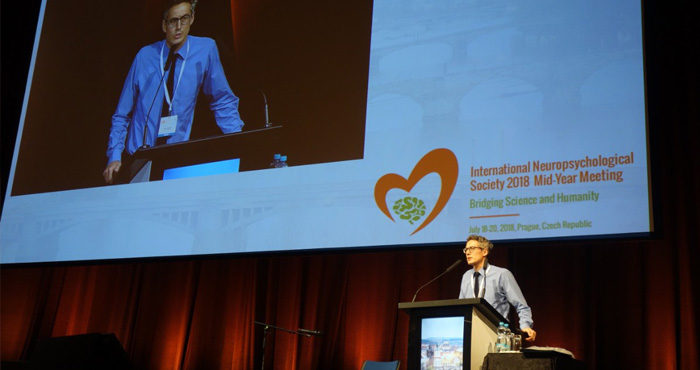
Attending the International Neuropsychological Society mid-year meeting in Prague offered first-time participants a focused way to explore neuropsychological research, clinical practice, and professional exchange. Held from July 18–20, 2018, the meeting brought together specialists interested in how scientific progress can support humane, culturally responsive patient care.
The event was designed around more than lectures. Its program included scientific sessions, poster presentations, continuing education workshops, networking opportunities, and practical information for navigating the city. A little preparation could make the three-day schedule easier to manage and more rewarding.
First-time attendees could benefit from reviewing the conference materials before arrival, identifying priority sessions, and allowing time for informal conversations. Prague’s public transport system, central location, and range of accommodation options also made logistics an important part of the planning process.
Get Oriented Before Arrival
Begin by reviewing the conference website for the program, registration information, venue guidance, poster listings, and updates connected with the meeting. Even when a conference schedule looks manageable, parallel sessions and workshops can create difficult choices, so mark essential events in advance.
Check the venue location, registration arrangements, and daily timetable before traveling. Save digital copies of important details and keep a short list of sessions, speakers, and workshops you do not want to miss. This preparation leaves more attention for discussion once the meeting begins.
Build A Flexible Scientific Schedule
The scientific program covered several areas of neuropsychology, including neuroscience, assessment, rehabilitation, and clinical applications. Rather than filling every available period, select a few central themes and use them as a framework for choosing talks and posters.
Poster sessions often provide more direct access to researchers than large presentations. They are useful for asking about methods, preliminary findings, and practical implications. Leave enough time to move between rooms, collect program materials, and speak with presenters without rushing.
Connect Research With Patient Care
A central value of the meeting was the relationship between scientific advances and humane care. Sessions could be especially valuable for attendees who wanted to understand how laboratory findings, assessment tools, and clinical decision-making inform one another.
Cultural considerations were also relevant to neuropsychological practice. Differences in language, education, health systems, and social expectations can affect assessment and treatment. Listen for examples that address cultural validity and consider how the ideas presented might transfer to your own professional setting.
Plan Practical Details In Prague
Accommodation close to the venue can reduce travel time and make it easier to attend early sessions or return briefly between events. Review the Holiday Inn details when comparing location, room arrangements, and access to the conference site.
Prague’s public transport guidance was another useful resource for visitors unfamiliar with the city. Plan routes from the airport or train station, identify nearby tram or metro stops, and allow extra time on the first morning. Comfortable shoes, a portable charger, and a lightweight bag can also improve long conference days.
Compare Your Main Planning Priorities
Different attendees will need different levels of preparation. A researcher presenting a poster may prioritize setup times and networking, while a clinician seeking continuing education may focus on workshop availability and documentation.
| Priority | What To Review | Why It Matters |
|---|---|---|
| Scientific sessions | Topics, speakers, and session times | Helps create a focused learning plan |
| Poster presentations | Poster locations and presentation periods | Makes informal research discussion easier |
| Workshops | Registration, timing, and education requirements | Supports professional development goals |
| Accommodation | Distance, transport, and check-in details | Reduces daily travel stress |
| City logistics | Public transport routes and local landmarks | Makes arrival and evening plans smoother |
Prepare For Meaningful Participation
A first conference can feel easier when you define a few practical goals before traveling. These goals might include learning a new assessment approach, meeting colleagues in a specific specialty, or finding research relevant to a current clinical question.
- Choose several priority sessions and keep space for unexpected discoveries.
- Prepare a brief description of your work or professional interests.
- Bring questions for poster presenters and workshop leaders.
- Record useful references, contacts, and ideas during each day.
- Review continuing education requirements before attending workshops.
Professional conversations do not need to be lengthy or formal. A thoughtful question after a presentation, a discussion beside a poster, or an introduction during a break can develop into a valuable academic connection. Respectful curiosity is often the best way to participate.
Review the program and travel information before setting out for Prague, then build a schedule that balances learning, conversation, and rest. Use the conference materials to make each day purposeful and arrive ready to connect neuropsychological science with thoughtful patient care.
General Information
Important information about the meetingIndustry
Support and exhibition opportunitiesCzech Republic
Beautiful country situated in the very heart of EuropeContact
How can we help you?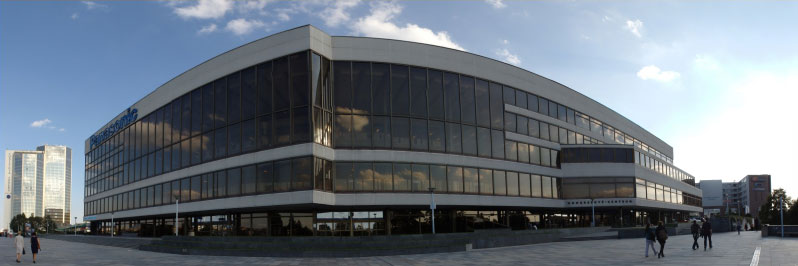
Prague Congress Centre (KCP)
5.května 65140 21 Prague 4
Czech Republic
Phone: +420 261 171 111
Website: www.kcp.cz