



Cultural variations in memory and aging
Memory is shaped by more than neural systems and the passage of time. Language, education, family roles, migration history, health beliefs, and daily routines influence how people learn, recall, and describe their experiences. These cultural factors become especially important when clinicians assess older adults from diverse backgrounds.
The study of aging therefore requires a careful distinction between universal cognitive processes and culturally learned patterns. A person’s performance on a memory task may reflect unfamiliar instructions, limited access to formal education, bilingual language use, or expectations about how an older person should communicate.
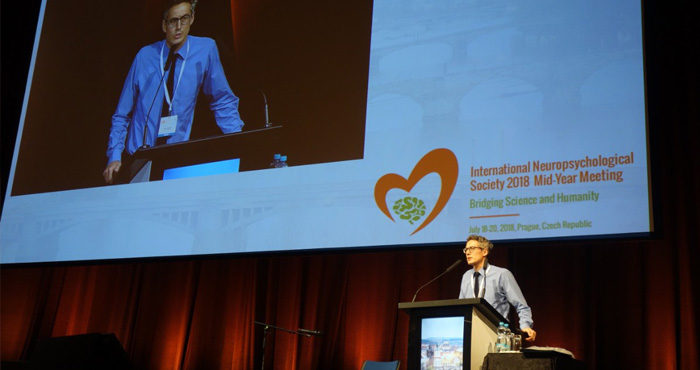
The 2018 International Neuropsychological Society mid-year meeting in Prague placed this kind of person-centered thinking within a wider conversation about neuroscience, clinical practice, and humane care. Its scientific program offers a useful context for considering how cultural variation can improve neuropsychological assessment.
Why culture matters in memory research
Researchers often describe memory using terms such as episodic recall, working memory, semantic knowledge, and prospective memory. These functions are supported by broadly shared brain networks, yet the information people remember and the strategies they use can differ substantially between communities.
Autobiographical memory provides a clear example. Some cultures encourage individuals to describe personal achievements and distinctive events, while others place greater emphasis on relationships, family history, and shared experiences. A test that rewards highly individual, detail-rich narratives may therefore favor one communication style over another.
Everyday experience shapes recall
Memory is practiced through ordinary activity. Shopping routines, oral storytelling, religious observance, agricultural work, digital communication, and intergenerational caregiving all create different demands on attention and recall. Older adults may excel in skills that standardized tests do not measure directly.
Cultural identity can also influence the emotional meaning of memories. Reminiscence may be used to preserve family continuity, teach younger relatives, or make sense of migration and social change. Understanding these purposes helps clinicians interpret both what a patient recalls and how the account is organized.
Aging, language, and cognitive assessment
Age-related cognitive change is not expressed in exactly the same way across linguistic groups. Vocabulary, naming speed, verbal fluency, and comprehension scores can be affected by bilingualism, literacy, dialect, and the language in which a person received schooling. Norms based on a narrow population may make healthy variation look like impairment.
Fair assessment requires more than translating a test. Clinicians must examine whether concepts, images, response formats, and time limits carry equivalent meaning. A culturally responsive evaluation combines test results with education history, occupational background, informant reports, medical information, and functional performance.
| Assessment consideration | Possible cultural influence | Clinical response |
|---|---|---|
| Verbal fluency | Language proficiency and word frequency | Test in the strongest language when possible |
| Story recall | Familiarity with narrative conventions | Use culturally appropriate materials |
| Orientation questions | Different calendars, place names, or routines | Clarify local and personal references |
| Informant interview | Family roles and reporting expectations | Include relevant caregivers and context |
| Normative scores | Unequal education or migration histories | Interpret scores alongside background data |
Neuroscience needs cultural context
Neuropsychology benefits from biological measures, including imaging, electrophysiology, and genetic research. However, brain data do not eliminate the need to understand a person’s environment. Sleep, nutrition, stress, social isolation, healthcare access, and language experience can all affect cognitive performance and brain health.
A culturally informed approach also guards against overgeneralization. Group averages may identify population trends, but they cannot determine an individual diagnosis. Researchers should report who participated, which languages were represented, and how cultural variables were measured rather than treating culture as a simple demographic label.
Humane care across communities
Clinical conversations about memory loss can carry different meanings. In some families, cognitive symptoms may be discussed collectively; in others, privacy and individual decision-making may be prioritized. Beliefs about aging, disability, and dementia can influence when help is sought and how treatment recommendations are received.
Respectful care begins with curiosity and clear communication. Professional interpreters, accessible explanations, culturally familiar examples, and collaborative goal setting can strengthen trust. Clinicians should ask about preferred decision-makers, caregiving responsibilities, spiritual beliefs, and practical barriers without assuming that every person from a cultural group shares the same values.
Applying the evidence in practice
The Prague meeting’s emphasis on connecting scientific advances with clinical work remains relevant to memory clinics, rehabilitation services, and community research. Conference resources, including the programme highlights, show how neuropsychological knowledge can be considered alongside patient experience and real-world care.
Useful principles for researchers and practitioners include:
- Establish the patient’s strongest languages, educational experiences, and migration history.
- Select measures with appropriate cultural and linguistic norms whenever available.
- Treat family observations as valuable evidence while preserving the patient’s autonomy.
- Separate unfamiliarity with a test from evidence of cognitive decline.
- Reassess interpretations when daily functioning and test scores do not align.
Cultural variation should not be treated as a complication added after assessment. It is part of the evidence needed to understand memory, aging, and wellbeing accurately. When clinicians combine rigorous measurement with cultural humility, older adults are more likely to receive diagnoses and support that reflect their actual lives.
Explore the INS 2018 materials and use their Prague-centered program as a starting point for deeper work on culturally responsive neuropsychology, healthy aging, and compassionate memory care.
General Information
Important information about the meetingIndustry
Support and exhibition opportunitiesCzech Republic
Beautiful country situated in the very heart of EuropeContact
How can we help you?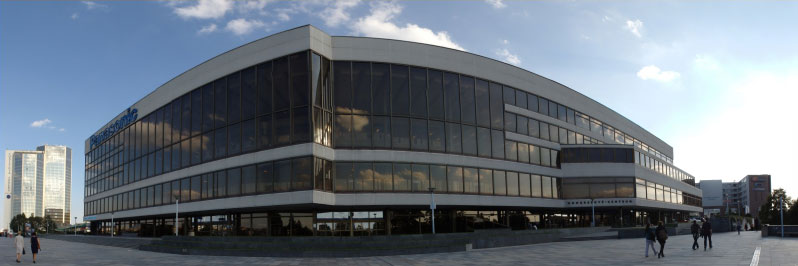
Prague Congress Centre (KCP)
5.května 65140 21 Prague 4
Czech Republic
Phone: +420 261 171 111
Website: www.kcp.cz